Jiuzhaigou National Park, China: A Complete Guide to One of the World’s Most Beautiful Natural Wonders
Introduction
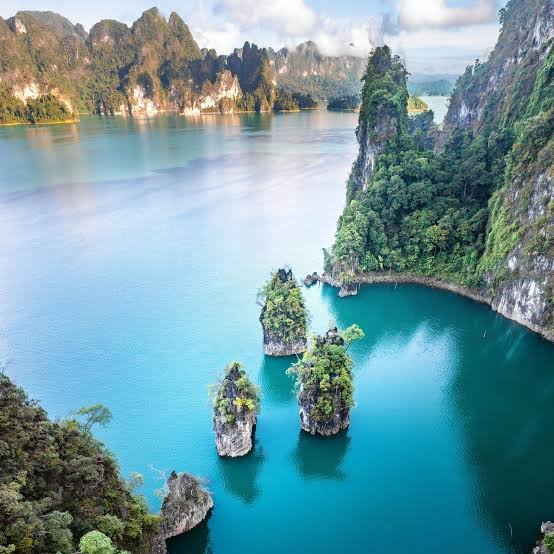
Jiuzhaigou National Park is one of the most spectacular natural destinations in China and one of the most beautiful national parks in the world. Famous for its crystal-clear turquoise lakes, dramatic waterfalls, snow-covered mountains, colorful forests, deep valleys, and rich wildlife, Jiuzhaigou offers visitors a landscape that looks almost unreal. The name Jiuzhaigou means “Nine Villages Valley,” referring to the nine traditional Tibetan villages that historically existed throughout the region.
Located in Sichuan Province in southwestern China, Jiuzhaigou is part of a mountainous region known for its unique natural environment and Tibetan cultural heritage. The park is especially famous for the brilliant colors of its lakes. Depending on the depth of the water, sunlight, minerals, algae, and surrounding vegetation, the lakes can appear blue, green, turquoise, or even shades of deep emerald.
Unlike many famous destinations that are known for one particular attraction, Jiuzhaigou offers an entire collection of natural wonders. Visitors can walk through ancient forests, admire waterfalls cascading over limestone terraces, explore peaceful valleys, see snow-covered peaks, and experience traditional Tibetan culture.
The park is also an important example of nature conservation. Its forests, lakes, rivers, wetlands, and wildlife habitats form a delicate ecosystem that has developed over thousands of years. The natural beauty of Jiuzhaigou is therefore not only attractive to tourists but also important from an ecological and scientific perspective.
This article explores the history, geography, attractions, wildlife, seasons, travel experience, photography opportunities, cultural significance, conservation efforts, and practical travel information associated with Jiuzhaigou National Park.
Where Is Jiuzhaigou National Park?
Jiuzhaigou National Park is located in northern Sichuan Province, China, in the mountainous area of the Min Mountains. It lies within a high-altitude region characterized by valleys, forests, alpine lakes, and mountain peaks.
The park is relatively remote compared with major Chinese tourist cities. However, transportation has improved considerably, making Jiuzhaigou much easier to visit than it was in the past.
The region is surrounded by dramatic mountain scenery. The high elevation contributes to its cool climate, dense forests, and distinctive alpine environment. During different seasons, the landscape changes dramatically.
Spring brings fresh greenery and colorful flowers. Summer produces lush forests and flowing waterfalls. Autumn is particularly famous for golden, orange, red, and yellow foliage reflected in the blue and turquoise lakes. Winter transforms the region into a peaceful snow-covered landscape.
Jiuzhaigou is therefore a destination that can offer a different visual experience depending on the season of a visitor’s trip.
Why Is Jiuzhaigou National Park So Famous?
Jiuzhaigou is famous mainly because of its extraordinary combination of water, mountains, and forests.
The park contains numerous lakes and pools connected by streams and waterfalls. Many of these lakes have exceptionally clear water, allowing visitors to see submerged trees and rocks beneath the surface.
One of the most remarkable features is the color of the water. The lakes can appear bright turquoise, deep blue, green, or combinations of several colors. This visual effect is created by factors such as water depth, mineral deposits, light reflection, suspended particles, and underwater vegetation.
The surrounding landscape makes the lakes even more impressive. Tall mountains rise around the valleys, while forests cover the slopes. In autumn, colorful leaves contrast with blue water and create some of the most recognizable scenery in the park.
Jiuzhaigou is also known for its waterfalls. Some waterfalls are broad and powerful, while others flow gently over natural terraces. Together, the waterfalls, lakes, forests, and mountains create a landscape that feels almost like a natural painting.
History of Jiuzhaigou National Park
The history of Jiuzhaigou is closely connected with the Tibetan communities that have lived in the region for generations.
The name “Jiuzhaigou” is commonly translated as “Nine Villages Valley.” The name comes from nine traditional Tibetan villages located in the area. These communities developed their own cultural traditions, architecture, religious practices, clothing styles, and ways of interacting with the surrounding environment.
For many years, the region remained relatively isolated from the outside world. Its remote location helped preserve its natural landscapes and traditional culture.
Modern awareness of Jiuzhaigou began to increase during the twentieth century. As its natural beauty became better known, the area attracted increasing attention from conservationists, researchers, and tourists.
The establishment of protected areas helped reduce pressure on the environment and provided a framework for protecting forests, lakes, wildlife, and other natural resources.
Today, Jiuzhaigou is recognized internationally for its outstanding natural scenery and ecological value. Tourism has become an important part of the regional economy, but conservation remains essential because the landscape is fragile.
Jiuzhaigou and Tibetan Culture
Jiuzhaigou is not only a natural destination. It is also a place where visitors can experience aspects of Tibetan culture.
Traditional villages in and around the region reflect the area’s cultural history. Tibetan-style buildings, prayer flags, religious symbols, colorful decorations, and local traditions can be found throughout the wider area.
Visitors may notice Buddhist influences in architecture and everyday life. Local festivals, traditional food, handicrafts, and cultural practices add another dimension to a visit.
The relationship between local communities and nature is also important. Mountains, rivers, forests, and other natural features have cultural and spiritual significance.
Travelers should approach local traditions respectfully. Photography of people, religious ceremonies, homes, and religious objects should be done thoughtfully, especially when permission is appropriate.
The Amazing Lakes of Jiuzhaigou
The lakes are the heart of Jiuzhaigou National Park.
Although they are often called lakes, some are relatively small pools or connected bodies of water. Their extraordinary colors and clarity make them among the most recognizable features of the park.
Here are some of the most famous lakes and scenic areas.
Five Flower Lake
Five Flower Lake is one of Jiuzhaigou’s most famous attractions.
The lake is known for its colorful appearance and exceptionally clear water. Under the right conditions, visitors can see fallen tree trunks beneath the surface.
The name comes from the different shades visible across the lake. Blue, green, turquoise, yellowish, and other tones may appear depending on sunlight, depth, minerals, and vegetation.
Surrounding forests create a beautiful natural frame. During autumn, colorful leaves make the scenery even more spectacular.
Five Flower Lake is one of the best places in Jiuzhaigou for photography because the water, forests, mountains, and submerged trees can all appear in a single view.
Panda Lake
Panda Lake is another famous scenic location.
The name is associated with the giant panda, an iconic animal of Sichuan Province. Although seeing a wild panda in Jiuzhaigou is extremely unlikely, the region is part of a broader ecosystem associated with important wildlife habitats.
Panda Lake is surrounded by forests and mountains. Its clear water can display attractive blue and green colors, particularly under favorable weather conditions.
The peaceful atmosphere around the lake makes it an enjoyable location for visitors who want to slow down and appreciate the natural environment.
Long Lake
Long Lake is one of the larger and more impressive bodies of water in the park.
Located at a high elevation, it is surrounded by mountain scenery and forests. Snow can remain on nearby peaks even when lower parts of the park are relatively warm.
The lake’s scale makes it different from smaller colorful pools. Instead of feeling like a hidden pond, Long Lake provides a broad alpine landscape.
Its appearance changes dramatically throughout the year. Summer can bring deep blue water and green surroundings, while winter creates a snowy and peaceful atmosphere.
Mirror Lake
Mirror Lake is famous for its reflective surface.
When the water is calm and the weather is suitable, the lake can reflect surrounding mountains and forests almost perfectly. The reflection can make the boundary between water and sky difficult to distinguish.
Early morning is often particularly attractive for this type of scenery because wind can be weaker, allowing the water surface to remain relatively smooth.
Mirror Lake demonstrates how weather conditions can change the appearance of Jiuzhaigou. A location may look completely different on a windy afternoon compared with a calm morning.
Nuorilang Waterfall
Nuorilang Waterfall is one of the most famous waterfalls in Jiuzhaigou.
The waterfall spreads across a broad natural rock formation and becomes especially impressive when water flow is strong.
The word associated with Nuorilang is connected with Tibetan cultural traditions and is often interpreted in relation to beauty and grandeur.
The waterfall is an important scenic point and one of the places where visitors can appreciate the combination of water, rock, and vegetation.
During periods of heavy rainfall, the waterfall can become more powerful. In colder seasons, sections of the surrounding landscape may freeze, creating a completely different appearance.
Pearl Shoal Waterfall
Pearl Shoal is another beautiful area of Jiuzhaigou.
Here, water flows over a broad, uneven limestone surface, creating countless small cascades. When sunlight strikes the moving water, the surface can sparkle like pearls.
This is the reason for the area’s famous name.
Pearl Shoal demonstrates an important feature of Jiuzhaigou’s landscape: water does not simply move through the valleys in ordinary rivers. It interacts with mineral-rich rock formations to create terraces, pools, cascades, and waterfalls.
The combination of moving water and surrounding forest makes Pearl Shoal a favorite stop for photographers.
Shuzheng Valley
Shuzheng Valley is one of the main scenic areas of Jiuzhaigou.
The valley contains a series of lakes, waterfalls, forests, and streams. Because many attractions are concentrated here, it provides visitors with a strong introduction to the character of the park.
Shuzheng Lakes are especially attractive because several bodies of water are connected by natural channels and waterfalls.
Visitors can follow viewing routes and enjoy changing scenery as the landscape moves from one lake to another.
The valley is also associated with traditional Tibetan villages, giving visitors an opportunity to appreciate both natural and cultural aspects of the region.
Rize Valley
Rize Valley is one of the most scenic sections of Jiuzhaigou.
Many famous attractions are located in or around this area, including Five Flower Lake, Panda Lake, Pearl Shoal, and other beautiful pools and forests.
The valley is particularly impressive because of the diversity of its landscapes. In a relatively short journey, visitors can encounter mountains, dense forests, clear lakes, waterfalls, and open viewpoints.
Rize Valley is often considered one of the highlights for first-time visitors.
Zechawa Valley
Zechawa Valley is another important section of the park.
It is associated with some of the higher-elevation scenery in Jiuzhaigou, including Long Lake and other mountain landscapes.
Compared with some of the more densely visited areas, parts of the valley can feel especially peaceful.
The higher elevation also means weather conditions can change quickly. Visitors should be prepared for cooler temperatures and possible changes in visibility.
The Forests of Jiuzhaigou
Forests are an essential part of the Jiuzhaigou landscape.
The park contains extensive areas of coniferous and mixed forests. Trees cover the mountainsides and create the natural background for the lakes.
In summer, the forests are lush and green. In autumn, leaves change into shades of yellow, orange, red, and brown. These colors contrast beautifully with the blue and green water.
Winter brings another transformation. Snow covers branches and mountain slopes, creating a quiet white landscape.
The forests are also important for wildlife. They provide food, shelter, nesting areas, and movement corridors for many species.
Wildlife in Jiuzhaigou
Jiuzhaigou is located in a region with significant biodiversity.
The broader mountainous ecosystem of Sichuan supports many species, including mammals, birds, reptiles, amphibians, and insects.
Some wildlife associated with the region includes deer, monkeys, birds, and other forest species.
The giant panda is one of the most famous animals associated with Sichuan, although visitors should not expect to see wild pandas during an ordinary visit to Jiuzhaigou.
The park’s importance lies partly in protecting natural habitats where wildlife can survive without excessive human disturbance.
Visitors should never feed wild animals or attempt to approach them. Maintaining distance is important for both visitor safety and animal welfare.
Plants and Natural Ecosystems
The plant life of Jiuzhaigou is remarkably diverse because of differences in elevation, climate, soil, moisture, and sunlight.
Forests dominate many mountain slopes, while grasses, shrubs, mosses, and other plants grow around lakes and streams.
Aquatic plants also contribute to the unusual appearance of some lakes. Underwater vegetation can affect the colors and visual patterns of the water.
The ecosystem depends on a delicate relationship between water, forests, soil, microorganisms, and wildlife.
Damage to one part of this system can influence other parts. This is why environmental protection is so important in Jiuzhaigou.
Why Are Jiuzhaigou’s Lakes So Blue?
One of the most common questions visitors ask is why Jiuzhaigou’s lakes have such extraordinary colors.
There is no single explanation.
Several natural factors work together.
First, the water is often exceptionally clear. Clear water allows sunlight to penetrate deeper into the lake.
Second, dissolved minerals and geological materials influence the way light interacts with the water.
Third, underwater vegetation can create green and yellowish shades.
Fourth, water depth changes the apparent color. Deeper sections can appear dark blue, while shallower areas may appear turquoise or green.
Finally, sunlight and viewing angle can dramatically affect the appearance.
This combination produces the colorful appearance for which Jiuzhaigou is famous.
The Geology of Jiuzhaigou
The geological history of Jiuzhaigou is an important reason for its unique landscapes.
The region contains limestone and other geological formations that interact with water over long periods.
Mineral-rich water can deposit materials around rocks, creating terraces and natural barriers.
These geological processes help form the lakes, waterfalls, pools, and channels that define the valleys.
Earthquakes and other geological events have also influenced the landscape.
The region is located in a tectonically active part of China, which means earthquakes are a natural hazard. A major earthquake affected Jiuzhaigou in 2017 and caused substantial damage to infrastructure and natural features.
The area has since undergone extensive recovery and restoration.
The 2017 Earthquake and Recovery
In August 2017, a major earthquake struck the Jiuzhaigou region.
The earthquake caused serious damage to roads, buildings, visitor facilities, and some natural attractions.
Because Jiuzhaigou is such an important natural and tourism destination, recovery required extensive work.
Some landscapes changed as a result of landslides and geological disturbances. At the same time, many of the park’s natural features remained remarkably resilient.
Restoration efforts focused on infrastructure, safety, ecological protection, and responsible reopening.
The earthquake also demonstrated that beautiful natural environments can exist in areas exposed to geological hazards.
Today, earthquake awareness and safety remain important considerations when traveling in the region.
Best Time to Visit Jiuzhaigou
Jiuzhaigou can be visited in different seasons, but each season offers a different experience.
Spring
Spring brings fresh vegetation, flowing water, and emerging flowers.
Temperatures can still be cool, especially at higher elevations. Snow may remain in some areas.
Spring is a good choice for travelers who prefer quieter scenery and fresh greenery.
Summer
Summer is one of the greener seasons.
Forests become lush, streams flow strongly, and waterfalls can be impressive.
However, summer can also bring rainfall, and popular scenic areas may become busy.
Autumn
Autumn is widely considered one of the most spectacular times to see Jiuzhaigou.
Forests turn yellow, orange, red, and golden. These colors are reflected in blue and turquoise lakes.
The combination of autumn foliage and colorful water creates some of the most famous images of the park.
The period of peak autumn colors can vary from year to year depending on weather conditions.
Winter
Winter transforms Jiuzhaigou into a snowy landscape.
Some lakes and waterfalls may partially freeze, while mountains and forests become covered with snow.
The park can feel quieter and more peaceful during winter.
Visitors should prepare carefully for cold weather and changing conditions.
How to Reach Jiuzhaigou
Travelers usually reach Jiuzhaigou through regional transportation hubs in Sichuan.
Chengdu is an important starting point for many visitors.
Depending on current transportation schedules, travelers may use flights, buses, trains, or combinations of different transport options.
The opening of high-speed rail services in the broader region has improved access compared with the past, but travelers should check current schedules before making plans because routes and operating times can change.
The final journey into Jiuzhaigou passes through mountainous scenery, making the trip itself part of the travel experience.
How Many Days Do You Need?
A short visit can cover the major highlights, but spending more time allows visitors to enjoy the park without feeling rushed.
For many travelers, one full day can provide an introduction to the main scenic areas.
Two days can provide a more relaxed experience and allow additional time for photography and different valleys.
A longer stay in the region can also include nearby cultural and natural attractions.
Because Jiuzhaigou is located at high elevation and involves considerable walking, a relaxed schedule can be more enjoyable than trying to see everything quickly.
What to Expect Inside the Park
Jiuzhaigou is not an ordinary city park.
It is a large protected natural area with mountains, valleys, lakes, forests, and long distances between attractions.
Visitors should expect walking and changes in elevation.
The park has developed visitor transportation and designated routes to make sightseeing easier.
However, comfortable shoes remain essential.
Weather can also change quickly. A sunny morning may become cloudy or rainy later in the day.
Layered clothing, rain protection, water, sun protection, and basic personal supplies are useful.
Photography in Jiuzhaigou
Jiuzhaigou is a dream destination for nature photographers.
The colorful lakes provide strong subjects throughout the year.
Five Flower Lake is particularly famous for photography because of its turquoise water and submerged trees.
Mirror Lake can be excellent when the water is calm.
Autumn offers dramatic opportunities because colorful foliage contrasts with blue and green water.
Winter provides a different style of photography, with snow-covered trees, frozen water, and quiet mountain landscapes.
Early morning and late afternoon can provide softer light.
Visitors should remember that weather is part of the landscape. Clouds, mist, rain, and snow can create beautiful photographs too.
Travel Tips for Jiuzhaigou
1. Check the Weather
Mountain weather can change quickly.
Always check the forecast before entering the park and prepare for changing conditions.
2. Wear Comfortable Shoes
There may be considerable walking.
Comfortable shoes can make the experience much more enjoyable.
3. Carry Water
Staying hydrated is particularly important at higher elevations.
4. Protect Yourself From the Sun
High-altitude sunlight can be stronger than visitors expect.
Sunglasses, sunscreen, and a hat can be useful.
5. Respect Nature
Do not throw garbage into lakes or streams.
Do not pick flowers or damage plants.
Do not feed animals.
Stay on designated paths where required.
6. Respect Local Culture
The region has a strong Tibetan cultural identity.
Visitors should behave respectfully around villages, religious sites, and local communities.
7. Allow Time for Rest
High elevation can affect some travelers.
Do not plan every minute of the trip.
Accommodation Near Jiuzhaigou
There are many accommodation options in the wider Jiuzhaigou area, ranging from simple guesthouses to comfortable hotels and resorts.
Visitors should choose accommodation based on their budget, transportation plans, and desired level of comfort.
Staying close to the park entrance can make early starts easier.
During busy travel periods, accommodation may become more expensive or sell out quickly, so advance booking can be useful.
Travelers should also check current hotel conditions and transportation arrangements before arrival.
Food to Try in the Jiuzhaigou Region
Food is an important part of experiencing Sichuan and Tibetan-influenced regions.
Visitors may encounter Sichuan dishes known for strong flavors and spices.
Tibetan-influenced foods can include noodles, dumplings, breads, dairy products, and dishes prepared with local ingredients.
Hot meals can be especially enjoyable in cooler mountain weather.
Travelers who are not accustomed to spicy food should communicate their preferences clearly when ordering.
It is also a good idea to carry simple snacks while sightseeing because long scenic routes may not always have convenient food options.
Is Jiuzhaigou Suitable for Families?
Jiuzhaigou can be an excellent destination for families who enjoy nature.
Children may be fascinated by the colorful lakes, waterfalls, forests, and mountains.
However, parents should consider the elevation and amount of walking involved.
Young children may need frequent rest breaks.
Families should also keep children away from steep edges, fast-flowing water, and restricted areas.
With appropriate planning, Jiuzhaigou can provide children with an unforgettable introduction to mountains, forests, lakes, and wildlife.
Is Jiuzhaigou Good for Older Travelers?
Older travelers can enjoy Jiuzhaigou, but physical preparation is important.
The altitude and walking distances may be challenging for some visitors.
Using available visitor transportation can reduce physical strain.
Travelers should move slowly, stay hydrated, take breaks, and pay attention to how they feel.
Anyone with specific medical concerns should discuss high-altitude travel with an appropriate healthcare professional before visiting.
Responsible Tourism in Jiuzhaigou
Responsible tourism is particularly important in fragile natural environments.
Jiuzhaigou receives visitors because of its extraordinary beauty. If tourism is not managed carefully, the same popularity that supports the local economy can place pressure on the ecosystem.
Responsible visitors can help by following park regulations, staying on designated routes, avoiding litter, respecting wildlife, and minimizing unnecessary environmental impact.
Visitors can also support local communities by using local services and purchasing appropriate locally made products.
The goal should be simple: enjoy the landscape without damaging it.
Conservation of Jiuzhaigou
Conservation is one of the most important aspects of Jiuzhaigou’s future.
The park’s lakes, forests, wetlands, waterfalls, and wildlife depend on clean water and healthy ecosystems.
Tourism management helps control the number and movement of visitors.
Infrastructure must also be designed carefully to reduce environmental damage.
After the 2017 earthquake, restoration provided an additional challenge because damaged areas had to be repaired without destroying the natural environment.
The long-term protection of Jiuzhaigou requires cooperation among government authorities, scientists, local communities, tourism operators, and visitors.
UNESCO and International Recognition
Jiuzhaigou has received international recognition for its outstanding natural value.
Its distinctive landscape of multi-colored lakes, waterfalls, forests, and mountains represents a rare combination of geological and ecological features.
International recognition has helped raise awareness about the importance of protecting the region.
At the same time, global popularity creates responsibility. The more famous Jiuzhaigou becomes, the more important sustainable tourism becomes.
Why Autumn Is So Popular
Autumn deserves special attention because it creates one of Jiuzhaigou’s most famous visual combinations.
Imagine a clear turquoise lake surrounded by forests filled with golden, orange, yellow, and red leaves, with mountains rising behind them.
This is the classic Jiuzhaigou landscape.
Autumn sunlight can make the water appear especially vivid.
However, visitors should remember that peak foliage is not guaranteed on an exact date every year. Temperature, rainfall, altitude, and other environmental conditions influence when leaves change color.
Travelers planning specifically for autumn colors should monitor local conditions and remain flexible.
Jiuzhaigou in Winter
Winter provides a completely different experience.
Snow covers mountain slopes and forest branches.
Some waterfalls and lakes may partially freeze.
The bright colors of summer and autumn are replaced by white, blue, silver, and darker natural tones.
For photographers, winter can be extremely attractive.
The cold can be intense, however, particularly at higher elevations.
Visitors should bring suitable winter clothing and check current conditions before traveling.
The Spiritual Atmosphere of the Valley
Beyond its visual beauty, Jiuzhaigou can have a peaceful and reflective atmosphere.
The sound of flowing water, wind through trees, distant mountains, and quiet lakes creates an environment very different from busy cities.
The area’s Tibetan cultural heritage adds another layer to this experience.
Many visitors describe Jiuzhaigou not simply as a sightseeing destination but as a place where they can slow down and reconnect with nature.
This peaceful atmosphere is one of the reasons the destination remains memorable long after a trip ends.
What Makes Jiuzhaigou Different From Other National Parks?
Many national parks have mountains, forests, waterfalls, or lakes.
Jiuzhaigou is unusual because it combines all of these elements in a relatively concentrated landscape.
Its most distinctive feature is the color and clarity of its lakes.
The natural terraces, mineral-rich waters, submerged trees, and colorful forests create scenery that is difficult to duplicate elsewhere.
The Tibetan cultural background also gives the destination an identity beyond its physical landscape.
Things to Avoid During Your Visit
Visitors should avoid several behaviors.
Do not swim in protected lakes.
Do not throw anything into the water.
Do not collect rocks, plants, flowers, or other natural materials.
Do not feed wildlife.
Do not leave plastic bottles or food packaging behind.
Do not enter closed areas.
Do not climb dangerous slopes or barriers for photographs.
Do not disturb local residents or religious activities.
Following these simple rules helps protect Jiuzhaigou for future generations.
A Sample One-Day Jiuzhaigou Experience
A visitor with one full day might begin early and explore the main scenic areas using the park’s visitor transportation system.
The day could include the high scenic areas first, followed by famous attractions such as Five Flower Lake, Panda Lake, Pearl Shoal, and other nearby viewpoints.
Later, visitors could explore the central valley areas, including waterfalls and colorful lakes.
A final stop at a scenic viewpoint can provide a peaceful end to the day.
The exact route should depend on current park operations, weather, crowd levels, and seasonal access.
A Sample Two-Day Experience
With two days, visitors can slow down.
The first day can focus on one major valley and its famous lakes and waterfalls.
The second day can explore another valley and provide more time for photography, nature observation, and cultural experiences.
A two-day schedule also provides flexibility if rain, fog, or other weather conditions affect visibility.
This is especially useful for photographers.
Jiuzhaigou for Nature Lovers
Nature lovers can spend hours simply observing the details of the environment.
The movement of water over rocks, the patterns of tree roots, reflections on lake surfaces, birds in the forest, changing clouds, and distant mountain peaks all provide opportunities for observation.
Jiuzhaigou reminds visitors that natural beauty does not depend on a single landmark.
Instead, it comes from the relationship between many elements.
Jiuzhaigou for Photographers
Photographers have countless opportunities.
Wide-angle photographs can capture mountains and lakes.
Telephoto lenses can isolate waterfalls, trees, and distant peaks.
Macro photography can focus on leaves, flowers, moss, and water droplets.
Long-exposure photography can create smooth waterfall effects when conditions permit.
Autumn offers colorful landscapes, while winter provides minimalist snowy scenes.
Even ordinary viewpoints can become beautiful when light and weather change.
The Educational Value of Jiuzhaigou
Jiuzhaigou is also an excellent natural classroom.
Students can learn about geology, hydrology, forest ecology, conservation, climate, biodiversity, and cultural geography.
The lakes demonstrate how geological processes and water interact.
The forests demonstrate how ecosystems change with elevation.
The wildlife shows the importance of habitat protection.
The local communities demonstrate the relationship between culture and environment.
For these reasons, a visit can be more than a holiday. It can also be an educational experience.
Challenges Facing Jiuzhaigou
Despite its beauty, Jiuzhaigou faces environmental challenges.
Tourism pressure is one concern.
Climate change may also influence snowfall, rainfall, water availability, vegetation, and wildlife habitats.
Natural disasters such as earthquakes and landslides are another challenge.
Protecting the park requires continuous monitoring and careful management.
The future of Jiuzhaigou depends on balancing tourism with conservation.
The Future of Jiuzhaigou National Park
The future of Jiuzhaigou will likely depend on sustainable tourism.
Modern infrastructure can improve visitor safety and comfort, but development must remain compatible with environmental protection.
Technology can also help monitor water quality, wildlife populations, visitor numbers, and ecological changes.
Local communities have an important role in this process.
If visitors, businesses, authorities, and local residents work together, Jiuzhaigou can remain one of China’s most spectacular natural destinations.
Frequently Asked Questions About Jiuzhaigou National Park
1. Where is Jiuzhaigou National Park located?
Jiuzhaigou National Park is located in northern Sichuan Province in southwestern China, in a mountainous region of the Min Mountains.
2. What does Jiuzhaigou mean?
Jiuzhaigou generally means “Nine Villages Valley,” referring to the traditional Tibetan villages historically located in the area.
3. Why is Jiuzhaigou famous?
It is famous for crystal-clear turquoise and blue lakes, colorful forests, waterfalls, mountains, wildlife, and Tibetan cultural heritage.
4. What is the most famous lake in Jiuzhaigou?
Five Flower Lake is one of the park’s most famous and photographed lakes because of its vivid colors and clear water.
5. What is the best season to visit?
Autumn is particularly famous because colorful foliage contrasts beautifully with the blue and turquoise lakes. However, spring, summer, and winter each offer unique scenery.
6. Can you see pandas in Jiuzhaigou?
Jiuzhaigou is located in a broader region associated with giant panda habitat, but visitors should not expect to see wild pandas during a normal park visit.
7. Is Jiuzhaigou suitable for children?
Yes, families can enjoy Jiuzhaigou, although parents should consider altitude, walking distances, weather, and safety around water and mountain areas.
8. Is Jiuzhaigou cold?
Temperatures vary significantly by season and elevation. Higher areas can be cold even when lower areas are comfortable, so layered clothing is useful.
9. How long should I stay?
One full day can cover many major attractions, while two days allow for a more relaxed experience.
10. Is Jiuzhaigou worth visiting?
Yes. Its colorful lakes, waterfalls, forests, mountains, and cultural heritage make it one of China’s most distinctive natural destinations.
Conclusion
Jiuzhaigou National Park is a remarkable destination where mountains, forests, waterfalls, lakes, wildlife, geology, and culture come together.
Its turquoise and blue lakes are perhaps its most famous feature, but the true beauty of Jiuzhaigou lies in the complete landscape. Water flows through forests, waterfalls descend over natural terraces, mountains rise around quiet valleys, and colorful leaves reflect across clear lakes.
The park’s Tibetan cultural heritage adds depth to the natural experience, while its ecological importance makes conservation essential.
Every season offers something different. Spring brings fresh life, summer creates lush green landscapes, autumn transforms the valleys with brilliant colors, and winter covers the mountains and forests in snow.
For photographers, nature lovers, families, adventure seekers, and travelers looking for peaceful landscapes, Jiuzhaigou can be an unforgettable destination.
Perhaps the most important lesson of Jiuzhaigou is that natural beauty is fragile. The same clean water, healthy forests, and protected habitats that make the destination extraordinary must be preserved for future generations.
A visit to Jiuzhaigou is therefore more than a journey to a beautiful place. It is an opportunity to experience one of China’s most extraordinary natural environments and to appreciate the importance of protecting the world’s remaining wild landscapes.
Jiuzhaigou National Park stands as a powerful reminder that nature can create landscapes more beautiful and complex than anything humans could design. Its colorful lakes, ancient forests, cascading waterfalls, and high mountains make it one of the world’s unforgettable natural destinations.