Teide National Park
Teide National Park: A Complete Guide to Spain’s Volcanic Mountain Wonderland
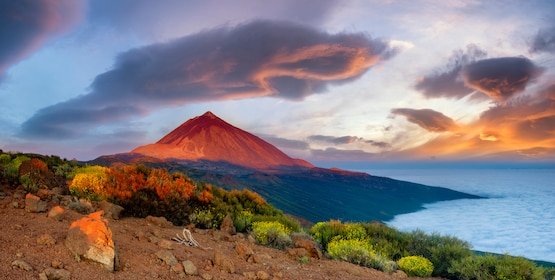
Teide National Park is one of the most spectacular natural destinations in Spain and one of the most remarkable volcanic landscapes in Europe. Located on the island of Tenerife in the Canary Islands, the park is famous for Mount Teide, dramatic lava formations, volcanic craters, unusual plants, clear skies, and breathtaking mountain scenery. At the heart of the park stands Mount Teide, a massive volcanic peak rising to 3,715 meters above sea level and forming the highest point in Spain.
The landscape of Teide National Park looks very different from the green forests and traditional mountain scenery found in many other parts of Europe. Visitors encounter enormous volcanic rocks, dark lava flows, colorful mineral formations, wide volcanic plains, steep cliffs, and high-altitude vegetation. The combination of geology, wildlife, climate, astronomy, and cultural history makes the park an exceptional destination for nature lovers, photographers, hikers, families, and adventure travelers.
Teide National Park is also internationally recognized for its scientific and environmental importance. Its volcanic landscape provides an extraordinary opportunity to understand how volcanic islands are formed and transformed over time. The park’s high elevation and relatively clean atmosphere also make it one of the world’s important locations for astronomical observation.
Where Is Teide National Park?
Teide National Park is located in the center of Tenerife, one of the main islands of the Canary Islands, an autonomous community of Spain. Tenerife lies in the Atlantic Ocean, west of the African mainland. Although the island is geographically close to Africa, it is politically part of Spain.
The park occupies a large area around the volcanic summit of Teide. Roads cross the high-altitude landscape, allowing visitors to reach several viewpoints, hiking trails, visitor facilities, and cable-car areas. The surrounding towns and coastal resorts provide accommodation for travelers who want to explore the park during day trips or longer stays.
The central location of the park makes it accessible from different parts of Tenerife. Travelers staying near Santa Cruz de Tenerife, Puerto de la Cruz, Costa Adeje, Los Cristianos, or other parts of the island can reach the national park by road. However, travel times vary considerably depending on the starting point, road conditions, traffic, and route.
History of Teide National Park
Teide National Park was officially established in 1954, making it one of Spain’s oldest national parks. The creation of the park reflected growing recognition of the unique geological and natural value of the Teide landscape.
Long before the area became a national park, the volcanic mountain had cultural significance for the Indigenous Guanche people of Tenerife. Teide was an important feature in their beliefs and traditions. The mountain was associated with supernatural forces and was regarded as a powerful and sacred part of the landscape.
European travelers and scientists later became increasingly interested in Tenerife’s volcanoes. Explorers, naturalists, geologists, and astronomers visited the island to study its unusual geography and high-altitude environment.
Over time, scientific interest helped establish the importance of protecting the volcanic landscape. Tourism also increased, especially after the development of roads and visitor infrastructure. National park status helped balance public access with environmental protection.
Teide National Park was later recognized internationally for its exceptional natural value. Its volcanic formations, ecosystems, and high-altitude environment have made it one of Tenerife’s most important protected areas.
Mount Teide: The Heart of the National Park
The defining feature of the park is Mount Teide. Rising approximately 3,715 meters above sea level, it is the highest mountain in Spain. It is also one of the highest volcanic structures in the Atlantic region.
Teide is part of a complex volcanic system. The mountain developed through numerous volcanic processes that took place over long geological periods. Different eruptions produced layers of lava, ash, rock, and other volcanic materials that gradually formed the enormous landscape visible today.
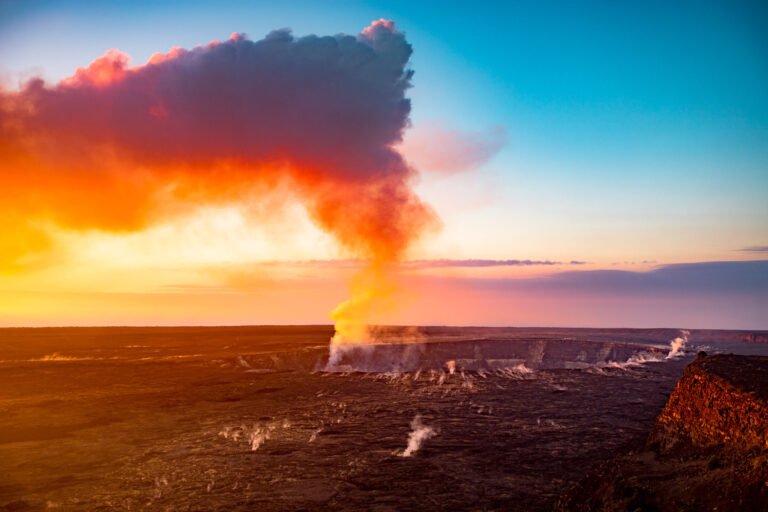
The upper slopes of Teide can appear almost otherworldly. Dark volcanic rocks contrast with lighter formations, while reddish, orange, yellow, brown, and black minerals create natural patterns across the landscape.
During clear weather, visitors can enjoy enormous views across Tenerife and, from elevated locations, sometimes see neighboring Canary Islands on the horizon.
A Volcanic Landscape Like No Other
One of the main reasons people visit Teide National Park is its extraordinary geology. The park contains a wide variety of volcanic formations created by lava flows, eruptions, erosion, and mineral deposits.
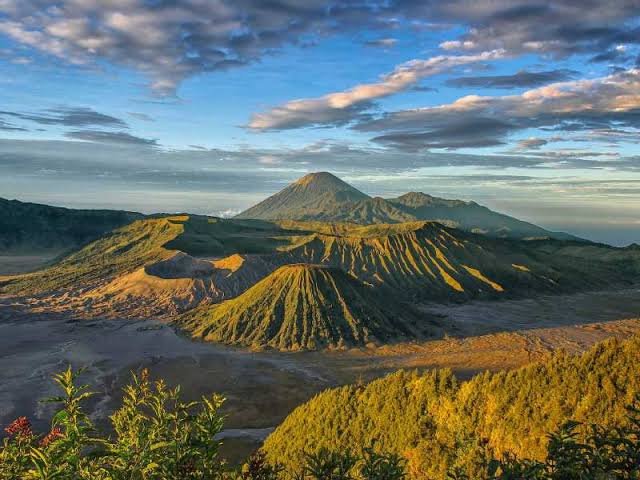
Some areas resemble a desert, while others look like a giant field of frozen lava. Huge volcanic rocks stand across the landscape, and narrow trails pass through formations that have been shaped by volcanic activity and weather for thousands of years.
The park is especially fascinating for travelers who enjoy geology. A single walk can reveal different types of volcanic rocks and structures. The colors and textures of the terrain change constantly depending on sunlight, weather, elevation, and mineral composition.
Las Cañadas del Teide
Las Cañadas del Teide is the enormous volcanic depression surrounding Teide and Pico Viejo. It is one of the most impressive geological areas of Tenerife.
The caldera contains extensive lava fields, rock formations, cliffs, volcanic cones, and plains. Many of the park’s most famous viewpoints and attractions are located within this region.
The landscape is particularly beautiful around sunrise and sunset. Low-angle sunlight creates strong shadows across the rocks and highlights the different colors of the volcanic formations.
Roques de García
One of the most famous locations in Teide National Park is Roques de García. This collection of enormous volcanic rock formations is a favorite stop for visitors and photographers.
The rocks were shaped by volcanic activity and erosion over long periods. Their unusual forms make them appear almost like natural sculptures.
The most recognizable formation is often associated with a tall, narrow rock that stands dramatically against Mount Teide in the background. The combination has become one of the iconic landscapes of Tenerife.
A walking route around the Roques de García area provides opportunities to observe volcanic formations from different angles. Visitors should remain on designated trails and avoid climbing fragile formations.
Los Roques de García Hiking Area
The hiking route around Roques de García is among the most accessible ways to experience the volcanic scenery of the park. The terrain can vary from relatively easy paths to more demanding sections.
Hikers should remember that altitude changes the difficulty of walking. A trail that looks short on a map can feel more challenging because the air contains less oxygen at high elevations.
Good walking shoes, sufficient water, sun protection, and weather-appropriate clothing are essential.
Teide Cable Car
The Teide Cable Car is one of the most popular attractions in the national park. It allows visitors to travel from the lower cable-car station to a high point on the mountain in a relatively short time.
The ride offers impressive views over the volcanic landscape. As the cable car climbs, the terrain below appears increasingly dramatic, with lava formations and volcanic plains spreading across the caldera.
Visitors should be aware that reaching a high altitude quickly can affect some people. Headaches, tiredness, dizziness, and shortness of breath may occur because of the elevation.
Access to the highest summit area is not automatically included with a standard cable-car ride. Special authorization may be required for certain summit routes, and conditions can change because of weather, safety, conservation, or operational restrictions.
Hiking on Mount Teide
Hiking is one of the best ways to experience Teide National Park. The park contains trails ranging from relatively easy walks to demanding high-altitude routes.
Popular hiking experiences include routes around volcanic formations, viewpoints, crater landscapes, and high mountain terrain.
The famous route toward the summit is a challenging experience because of altitude. Even experienced hikers should take high elevation seriously. Weather can also change quickly, and temperatures can be much lower at the summit than at the coast.
Visitors planning a serious hike should check current trail conditions, access requirements, weather forecasts, and park regulations before starting.
Pico Viejo
Pico Viejo is another important volcanic feature within the park. It is located southwest of Teide and has a large crater with striking colors.
The crater area demonstrates the dramatic volcanic history of Tenerife. Mineral deposits and volcanic materials create shades ranging from dark brown and black to red, orange, yellow, and greenish tones.
Viewpoints toward Pico Viejo are especially impressive during clear weather. From elevated trails, visitors can see the enormous crater and surrounding volcanic terrain.
Flora of Teide National Park
Although Teide National Park may appear barren at first glance, it contains a fascinating collection of plants adapted to high-altitude conditions.
The vegetation has evolved to survive intense sunlight, low temperatures, strong winds, limited moisture, and poor volcanic soils. Many plants grow close to the ground or have special structures that help reduce water loss.
One of the most famous plants in the park is the red bugloss, known locally as tajinaste rojo. During its flowering season, this tall plant creates striking red towers against the volcanic landscape.
Another important plant is the Teide violet, a small flowering species that grows at high elevations. It is specially adapted to the harsh environment near the upper parts of the mountain.
The vegetation of the park demonstrates how life can survive and develop in challenging volcanic environments.
Wildlife in Teide National Park
Teide National Park is home to a variety of animals, although visitors are more likely to notice birds and insects than large mammals.
Bird species found in or around the park include the Tenerife blue chaffinch, kestrels, ravens, and several other native and migratory birds.
Insects are particularly interesting because the isolated Canary Islands have developed unique species over geological time. Butterflies, beetles, bees, and other insects contribute to the ecological balance of the park.
Visitors should never feed wild animals. Feeding can change natural behavior and create dependence on humans.
The Tenerife Blue Chaffinch
The Tenerife blue chaffinch is one of the most interesting birds associated with Tenerife. It is especially connected with the island’s pine forests, although its broader ecological range extends beyond the immediate volcanic summit area.
Birdwatchers visiting Tenerife can look for this distinctive species in suitable habitats. Patience and quiet observation are often the best ways to see wildlife.
Climate of Teide National Park
The climate of Teide National Park is strongly influenced by altitude. Tenerife’s coastal areas may be warm and comfortable while the upper mountain environment can be cold, windy, and snowy during winter.
Temperature differences between the coast and the summit can be significant. Visitors should therefore avoid assuming that warm coastal weather means warm mountain weather.
Sun exposure is also strong at high elevation. Even on cool days, ultraviolet radiation can be intense. Sunglasses, sunscreen, a hat, and protective clothing are recommended.
Snow at Mount Teide
Snow on Mount Teide is one of the most surprising sights for visitors who associate the Canary Islands primarily with beaches and warm weather.
During colder periods, snow can cover the upper mountain and volcanic slopes. The contrast between white snow and dark volcanic rock creates an extraordinary landscape.
Snow and ice can also affect road conditions and trail access. Travelers should always check official conditions before heading into the high mountain area during winter weather.
Teide National Park and Astronomy
Teide National Park is internationally famous for astronomy. Its high altitude, clear skies, and relatively low levels of atmospheric interference make Tenerife an important location for astronomical research and observation.
The Teide Observatory is located at high elevation and forms part of the Canary Islands’ important astronomical infrastructure.
The night sky can be spectacular when conditions are favorable. Away from artificial lights, visitors may see large numbers of stars, planets, and other celestial objects.
Stargazing at Teide
Stargazing is one of the most memorable experiences available in the national park. The volcanic landscape becomes completely different after sunset.
On a clear night, the Milky Way can appear much more prominent than it does from heavily light-polluted cities. Constellations and bright planets become easier to identify.
Visitors interested in astronomy can join organized stargazing experiences or learn about the night sky independently. Warm clothing is essential because temperatures can drop significantly after sunset.
Sunrise at Teide
Watching sunrise from the high elevations of Teide National Park can be unforgettable. The first sunlight gradually illuminates the volcanic rocks, producing changing shades of gold, orange, pink, and red.
The mountain shadows can stretch across the caldera, creating dramatic geometric patterns. Photographers often consider early morning one of the best times to capture the landscape.
Visitors planning a sunrise trip should prepare in advance because access, transportation, and high-altitude conditions need careful consideration.
Sunset at Teide
Sunset provides another spectacular experience. As the sun moves toward the horizon, the volcanic landscape becomes increasingly colorful.
Clouds below the mountain can sometimes create the impression of an enormous sea of clouds. When the sky is clear, distant islands may also become visible.
Sea of Clouds
One of the most beautiful atmospheric features around Teide is the sea of clouds. Tenerife’s geography can cause clouds to accumulate below the high volcanic areas.
From elevated viewpoints, the clouds can look like a white ocean stretching toward the horizon. Above this layer, the mountain landscape may remain sunny and clear.
This phenomenon is especially beautiful during sunrise and sunset and is one of the reasons photographers frequently visit the park.
Best Time to Visit Teide National Park
Teide National Park can be visited throughout the year, but the best time depends on what travelers want to experience.
Spring can be excellent for seeing flowering plants. Temperatures are generally more comfortable than during the hottest parts of summer, although mountain weather can still change.
Summer offers long daylight hours and generally favorable conditions, but popular areas can become busy. Early morning visits can provide a quieter experience.
Autumn can bring pleasant weather and changing light conditions. It is a good season for hiking and photography when trail conditions are suitable.
Winter provides opportunities to see snow on Teide, but cold temperatures and temporary road or trail closures are possible.
How to Reach Teide National Park
Most visitors reach Teide National Park by road. Tenerife has several routes climbing from the coast toward the central highlands.
Rental cars offer flexibility because travelers can stop at viewpoints and explore different parts of the park at their own pace.
Organized tours are another popular option. These can be useful for travelers who prefer not to drive mountain roads or want a guide to explain the geology, history, and ecology of the area.
Public transportation is available on Tenerife, but schedules and routes should be checked carefully because services to the high mountain areas can be limited compared with coastal areas.
Visitor Centers
Visitor centers and information facilities help travelers understand the natural and cultural importance of the park. Exhibits may explain volcanic activity, local wildlife, plants, geology, and the history of the landscape.
Stopping at an information center before hiking can also help visitors understand trail conditions and park regulations.
Hiking Safety
Hiking in Teide National Park requires preparation. The high altitude is one of the most important factors to consider.
People who are not accustomed to high elevations may experience altitude-related symptoms. Visitors should walk slowly, drink enough water, and avoid overexertion.
Weather conditions should be checked before every hike. Strong winds, cold temperatures, snow, ice, and poor visibility can make trails dangerous.
Appropriate footwear is essential, especially on rocky volcanic trails. Visitors should carry enough water and food for their planned activity.
What to Pack for Teide National Park
A good packing list can make a major difference during a visit.
- Comfortable hiking shoes
- Warm layers
- Waterproof jacket when conditions require it
- Sunglasses
- Sunscreen
- Hat or cap
- Drinking water
- Snacks or packed food
- Phone with sufficient battery
- Camera
- Personal medications
- Map or reliable navigation information
Photography at Teide
Teide National Park is a dream destination for landscape photographers. The unusual volcanic terrain provides countless opportunities for dramatic compositions.
Early morning and late afternoon offer softer light and longer shadows. During midday, sunlight can be very strong and create harsh contrasts.
Photographers should also explore different perspectives. A wide landscape can emphasize the enormous scale of the volcanic caldera, while close-up photographs can highlight the textures and colors of individual rocks.
Mobile Photography Tips
You do not need an expensive professional camera to capture beautiful images at Teide. Modern smartphones can produce excellent landscape photographs in good light.
Clean the camera lens before photographing. Use natural foreground objects such as volcanic rocks or plants to create depth. Sunrise and sunset usually provide more attractive lighting than the middle of the day.
Teide for Families
Teide National Park can be an excellent family destination. Children can learn about volcanoes, geology, plants, wildlife, astronomy, and the formation of islands.
Families should choose activities appropriate for their children’s age and physical ability. High altitude can be tiring, so regular breaks are important.
Parents should also prepare for strong sunlight and changing temperatures. A warm jacket can be useful even when children leave the hotel in warm coastal weather.
Teide for Adventure Travelers
Adventure travelers can find many opportunities in the park. Hiking, mountain photography, sunrise excursions, sunset tours, and astronomical experiences are among the most popular activities.
The park’s challenging terrain also appeals to experienced hikers who want to explore volcanic landscapes at elevation.
Teide for Nature Lovers
Nature lovers can spend hours studying the relationship between volcanic geology and high-altitude life. Plants have developed unique strategies for surviving in an environment with strong sunlight, limited water, and significant temperature changes.
Birdwatchers can explore suitable habitats around Tenerife, while photographers can search for unusual plants, insects, rock formations, and changing cloud patterns.
Environmental Protection
Teide National Park is a protected environment, and visitors have an important role in preserving it.
Travelers should stay on marked trails where required, avoid damaging plants and rocks, take rubbish with them, and follow instructions from park authorities.
Small actions can make a major difference when thousands of people visit a sensitive natural environment each year.
Responsible Tourism
Responsible tourism means enjoying the park while minimizing environmental impact. Visitors should avoid picking flowers, disturbing wildlife, leaving waste, or creating unnecessary noise.
It is also important to respect local communities and cultural heritage. Tenerife’s natural environment is connected to a long human history, including the traditions of the Indigenous Guanche population.
Volcanic Origins of Tenerife
Tenerife is a volcanic island formed through repeated volcanic activity over millions of years. The island’s central mountain system developed through successive eruptions and geological processes.
Teide represents the most dramatic expression of this volcanic history. Its enormous size reflects the accumulation of volcanic materials over geological time.
Studying Tenerife helps scientists understand volcanic islands and the processes that shape them.
Why the Rocks Have Different Colors
Visitors often notice red, orange, yellow, brown, gray, and black volcanic rocks throughout the park. These colors are influenced by mineral composition, oxidation, volcanic processes, and weathering.
Iron-rich minerals, for example, can produce reddish or orange shades when they interact with oxygen. Other minerals create lighter or darker colors.
The result is a natural palette that makes Teide particularly attractive to photographers.
Geology and Education
Teide National Park is an open-air classroom for geology. Students and visitors can observe volcanic cones, lava flows, craters, rock layers, erosion patterns, and mineral deposits.
Educational visits can help people understand concepts that are difficult to visualize in a classroom. Seeing volcanic formations directly provides a much clearer sense of the scale and power of geological processes.
Teide and Local Culture
Teide has played an important role in the cultural history of Tenerife. For the Guanche people, the mountain held religious and symbolic importance.
Later travelers also wrote about the mountain and its unusual landscape. Today, Teide remains one of the strongest symbols of Tenerife and the Canary Islands.
Popular Viewpoints
The national park contains numerous viewpoints where visitors can stop safely and enjoy the landscape. Viewpoints around the main road offer different perspectives of Teide, Pico Viejo, volcanic formations, and the surrounding caldera.
Stopping at several viewpoints is worthwhile because weather and lighting can change the appearance of the landscape dramatically.
How Long Should You Spend in Teide National Park?
A day trip can provide a good introduction to Teide National Park, especially for travelers who want to see the main viewpoints and volcanic formations.
However, travelers interested in hiking, photography, astronomy, and detailed exploration may benefit from spending more time in the area.
A carefully planned full day can include scenic drives, viewpoints, a short hike, the cable-car area, and sunset or stargazing depending on access and timing.
One-Day Teide Itinerary
A possible one-day itinerary could begin with an early departure from your accommodation. Travel toward the national park while stopping at scenic viewpoints along the route.
After reaching the central park area, explore Roques de García and other major volcanic viewpoints. Continue toward the Teide cable-car area if you have planned to use the facility.
Later, take a suitable short hiking route and enjoy the volcanic scenery. In the afternoon, find an appropriate viewpoint for sunset.
If you have arranged a permitted stargazing experience, remain in the area after dark and enjoy the night sky before returning to your accommodation.
Two-Day Teide Experience
A two-day visit allows travelers to explore more slowly. The first day can focus on the major geological attractions, while the second can be dedicated to hiking, photography, astronomy, or less crowded viewpoints.
This approach is especially useful for photographers because different times of day produce very different lighting conditions.
Where to Stay Near Teide
Accommodation options are available in different parts of Tenerife. Many travelers stay in coastal towns and make a day trip to the national park.
Travelers who want an early start or an overnight mountain experience can consider accommodation closer to the highlands, subject to availability and current regulations.
Staying farther from major coastal resorts can also provide better opportunities for experiencing the island’s quieter side.
Food and Water
Visitors should plan food and water carefully, especially if they intend to hike. Services are more limited in the high mountain environment than in Tenerife’s towns and coastal areas.
Carrying enough drinking water is important. High elevation, strong sunlight, and physical activity can increase the risk of dehydration.
Altitude Considerations
Altitude is one of the most important differences between Teide and many other tourist destinations in Tenerife.
Visitors coming directly from sea level may notice that physical activity feels harder at high elevation. People should avoid rushing and allow their bodies time to adjust.
Anyone with concerns about whether high altitude is appropriate for them should seek professional medical advice before undertaking strenuous activities.
Weather Changes
Weather in the national park can be unpredictable. Conditions can differ significantly between the coast and the summit.
Clouds can arrive quickly, temperatures can fall, and strong winds can occur. Winter conditions may include snow and ice.
Checking official weather and access information before traveling is therefore an essential part of planning.
Why Teide National Park Is Special
Teide National Park is special because it combines several extraordinary features in one location. It has one of Spain’s highest mountains, an enormous volcanic landscape, rare high-altitude plants, unusual geological formations, cultural history, and internationally important astronomy.
Few destinations allow visitors to experience such a dramatic volcanic environment while also enjoying ocean views, mountain scenery, and exceptional night skies on the same island.
Top Things to Do in Teide National Park
- Visit Mount Teide.
- Explore Roques de García.
- Ride the Teide Cable Car when operating and appropriate.
- Explore volcanic viewpoints.
- Take a suitable hiking trail.
- Photograph the volcanic landscape.
- Watch sunrise or sunset.
- Experience the sea of clouds.
- Look for native plants.
- Enjoy a guided stargazing experience.
- Learn about Tenerife’s volcanic geology.
- Visit park information facilities.
Interesting Facts About Teide National Park
- Teide is the highest mountain in Spain.
- Teide National Park is located on Tenerife in the Canary Islands.
- The park was established in 1954.
- The landscape was created by extensive volcanic activity.
- Teide rises to approximately 3,715 meters above sea level.
- The park contains distinctive high-altitude plants.
- Snow can occasionally cover the upper mountain in winter.
- The area is internationally recognized for astronomical observation.
- Roques de García is one of the park’s most famous geological attractions.
- Teide has deep cultural significance in Tenerife’s history.
Best Photography Spots
Roques de García is one of the best-known photography locations because of the dramatic relationship between the rock formations and Mount Teide.
Pico Viejo viewpoints are also excellent for capturing crater landscapes. Other viewpoints along the national park roads provide opportunities to photograph volcanic plains, lava formations, and distant mountain scenery.
For night photography, the high-altitude areas offer dark skies and spectacular star fields when weather conditions are favorable.
Tips for First-Time Visitors
- Check weather conditions before leaving.
- Wear layers because temperatures change with altitude.
- Carry sufficient water.
- Use sunscreen even when the weather feels cool.
- Wear comfortable and stable footwear.
- Do not leave rubbish behind.
- Stay on authorized trails.
- Respect wildlife and vegetation.
- Check cable-car operating conditions before planning around it.
- Allow extra travel time for mountain roads.
- Do not underestimate the effects of altitude.
- Follow all park instructions and restrictions.
Teide National Park for Nature Photography
Nature photographers can find extraordinary subjects throughout the park. The combination of volcanic geology, unusual vegetation, dramatic clouds, distant mountain views, and changing light creates almost endless photographic possibilities.
During spring, flowering plants can add color to the otherwise rugged terrain. During winter, snow may transform the landscape completely. At night, the same landscape becomes a setting for astrophotography.
Teide National Park for Adventure
Adventure in Teide does not necessarily mean extreme activities. Simply walking through the high volcanic landscape can feel adventurous because the scenery is so different from ordinary European mountain environments.
Experienced hikers can choose more demanding routes, while casual travelers can enjoy viewpoints and shorter walks.
Protecting the Future of Teide
The future of Teide National Park depends on responsible management and visitor behavior. Increased tourism provides economic benefits to Tenerife but also creates pressure on natural resources.
Visitors can contribute to conservation by respecting restrictions, avoiding fragile areas, using designated parking and trails, and taking all waste with them.
Protecting the park ensures that future generations can experience the same remarkable volcanic landscapes.
Frequently Asked Questions About Teide National Park
What is Teide National Park famous for?
Teide National Park is famous for Mount Teide, spectacular volcanic landscapes, unusual high-altitude vegetation, dramatic rock formations, and excellent astronomical conditions.
Where is Teide National Park located?
It is located in the central highlands of Tenerife in the Canary Islands, Spain.
How high is Mount Teide?
Mount Teide reaches approximately 3,715 meters above sea level, making it the highest mountain in Spain.
Can you visit Teide National Park all year?
Yes, the park is generally accessible throughout the year, but weather, snow, road conditions, trail restrictions, and facility operations can affect access.
Can you see snow at Teide?
Yes. Snow can occur on the upper parts of Mount Teide during colder periods, especially in winter.
Is Teide National Park good for hiking?
Yes. The park has many hiking opportunities ranging from relatively easy walks to demanding high-altitude routes.
Is the Teide Cable Car always open?
No. Cable-car operations can be affected by weather, wind, maintenance, safety conditions, and other operational factors. Visitors should check current official information before traveling.
Can children visit Teide National Park?
Yes. Families can enjoy viewpoints, educational experiences, and suitable walking routes. Parents should take altitude, weather, and trail difficulty into account.
Is Teide good for stargazing?
Yes. Tenerife’s high-altitude environment and relatively dark skies make the area particularly well known for astronomy and stargazing.
What should I wear at Teide?
Layered clothing is recommended. Even when Tenerife’s coastal areas are warm, temperatures at high elevation can be much colder.
How much water should I carry?
The amount depends on the activity, weather, and duration. Visitors should carry sufficient water for their planned route and avoid relying on limited mountain facilities.
Is Teide National Park worth visiting?
Absolutely. Its volcanic scenery, high mountain environment, unusual plants, dramatic viewpoints, and exceptional night skies make it one of Tenerife’s most memorable natural attractions.
Conclusion
Teide National Park is a remarkable destination where geology, nature, culture, astronomy, and adventure come together. Dominated by the enormous volcanic presence of Mount Teide, the park offers a landscape unlike almost anywhere else in Europe.
From the strange rock formations of Roques de García to the colorful crater landscapes around Pico Viejo, every part of the park reveals another chapter in Tenerife’s volcanic history. The unusual plants demonstrate how life can adapt to harsh mountain conditions, while the clear night skies provide a completely different experience after sunset.
Whether you are interested in hiking, photography, geology, wildlife, family travel, astronomy, or simply discovering one of Spain’s most beautiful natural places, Teide National Park offers something memorable.
A successful visit requires preparation. Check weather and access conditions, bring suitable clothing and water, respect altitude, follow park regulations, and protect the fragile environment. With responsible planning, a journey to Teide can become one of the highlights of a trip to Tenerife.
Teide is more than a mountain. It is a powerful reminder of the forces that shape islands, landscapes, and life itself. Its volcanic peaks, silent lava fields, colorful rocks, rare plants, and star-filled skies make Teide National Park a truly extraordinary natural treasure of Spain and the Canary Islands.