Gran Paradiso National Park
Gran Paradiso National Park: A Complete Guide to Italy’s Alpine Wilderness
Gran Paradiso National Park is one of the most spectacular protected natural areas in Italy and a remarkable destination for anyone who loves mountains, wildlife, hiking, photography, and peaceful landscapes. Located in the Italian Alps, the park is famous for its dramatic peaks, glaciers, green valleys, alpine meadows, forests, waterfalls, and rich wildlife. It is particularly well known as the home of the Alpine ibex, an impressive mountain animal that has become one of the symbols of the park.
Established in 1922, Gran Paradiso National Park is Italy’s oldest national park. It covers a large mountainous area between the Piedmont and Aosta Valley regions and surrounds the imposing Gran Paradiso massif. The park offers visitors an opportunity to experience the Alps in a relatively wild and protected environment while exploring traditional villages, historic mountain paths, high-altitude refuges, and beautiful valleys.
Unlike many tourist destinations that are known mainly for one attraction, Gran Paradiso National Park provides an entire world of natural experiences. Visitors can hike through forests, walk beside mountain streams, observe ibex and chamois on rocky slopes, admire glaciers from high trails, discover traditional Alpine settlements, and enjoy spectacular views of some of the highest mountains in Italy.
This comprehensive guide explores the history, geography, wildlife, landscapes, hiking opportunities, villages, seasons, attractions, travel tips, conservation efforts, and many other important aspects of Gran Paradiso National Park.
1. Introduction to Gran Paradiso National Park
Gran Paradiso National Park is a protected mountainous region in northwestern Italy. The park extends across approximately 70,000 hectares of Alpine terrain and includes a wide variety of natural environments. Its landscape changes dramatically with elevation, beginning with wooded valleys and gradually rising toward alpine pastures, rocky peaks, permanent snowfields, and glaciers.
The centerpiece of the park is Gran Paradiso, a mountain reaching approximately 4,061 meters above sea level. It is the highest mountain located entirely within Italy. Although several mountains along Italy’s borders are higher, Gran Paradiso holds a special geographical distinction because its entire massif lies within Italian territory.
The park is divided between two major regions. On the western and northern side are valleys in the Aosta Valley, while the southern and eastern areas belong to Piedmont. This geographical position gives the park a fascinating mixture of landscapes, cultures, architecture, and traditions.
Gran Paradiso National Park is especially attractive to travelers seeking authentic mountain experiences. The area is less dominated by large-scale tourism than some famous Alpine resort regions, allowing visitors to enjoy quieter trails and traditional communities.
2. History of Gran Paradiso National Park
The history of Gran Paradiso National Park is closely connected with the protection of the Alpine ibex. During earlier centuries, uncontrolled hunting caused a serious decline in the population of this magnificent animal.
The Gran Paradiso region was once used as a hunting territory by the royal family of Italy. In the nineteenth century, King Victor Emmanuel II recognized the importance of protecting the remaining ibex population. Hunting restrictions were introduced, and royal gamekeepers were employed to protect wildlife.
In 1856, the area became a royal hunting reserve. This helped create conditions in which the ibex population could recover. The royal hunting reserve included many of the valleys and mountains that would later form part of the national park.
After the establishment of the Kingdom of Italy, the idea of creating a permanent protected natural area became increasingly important. In 1922, Gran Paradiso National Park was officially established. Its creation marked a major milestone in Italian nature conservation.
The park became a model for protecting mountain ecosystems and endangered wildlife. Over the decades, conservation programs expanded beyond ibex protection to include plants, birds, mammals, forests, glaciers, rivers, and traditional Alpine landscapes.
Today, the park remains one of Italy’s most important protected areas and continues to balance conservation with responsible tourism.
3. Location and Geography
Gran Paradiso National Park is situated in the northwestern part of Italy near the French border. It lies primarily in the regions of Piedmont and Aosta Valley.
The park contains several major valleys, each with its own landscape and character. Among the best-known valleys are the Orco Valley, Soana Valley, Cogne Valley, Valsavarenche, and Rhêmes Valley.
These valleys provide access to high mountain landscapes and serve as starting points for many hiking routes. Roads enter several valleys, but much of the park remains mountainous and difficult to access by vehicle.
The geography of the park is dominated by steep slopes, deep valleys, high ridges, rocky cliffs, glaciers, and alpine plateaus. Elevation differences create a remarkable variety of habitats within relatively short distances.
Lower elevations contain forests and agricultural areas, while higher zones are dominated by grasslands and alpine vegetation. At the highest elevations, vegetation becomes increasingly sparse and gives way to rocks, ice, and permanent snow.
4. Gran Paradiso Mountain
Gran Paradiso Mountain is the geographical and symbolic heart of the national park. Rising to approximately 4,061 meters, it attracts mountaineers from around the world.
The mountain is part of the Graian Alps and has a distinctive high-altitude landscape of snow, rock, ice, and glaciers. Its summit provides extraordinary views across the surrounding Alpine region.
Gran Paradiso is considered an important objective for climbers because it provides an accessible introduction to high-altitude Alpine mountaineering for experienced hikers and aspiring mountaineers.
The normal route to the summit generally involves glacier travel and therefore requires appropriate equipment, knowledge, and experience. Many climbers use professional mountain guides when attempting the summit.
Even travelers who do not climb Gran Paradiso can appreciate the mountain from numerous viewpoints and hiking trails throughout the park.
5. Wildlife of Gran Paradiso National Park
One of the biggest reasons travelers visit Gran Paradiso National Park is its extraordinary wildlife. The park protects a wide variety of Alpine species and provides important habitats for mammals, birds, reptiles, amphibians, insects, and other organisms.
Alpine Ibex
The Alpine ibex is the most famous animal in Gran Paradiso National Park. Its scientific name is Capra ibex, and it is perfectly adapted to steep rocky terrain.
Male ibex have large curved horns that can grow to impressive lengths. Females have shorter horns. These animals are exceptionally agile and can move across steep cliffs and rocky slopes with remarkable confidence.
Ibex are frequently seen in suitable habitats, particularly during the warmer months. Early morning and late afternoon are often good periods for wildlife observation.
Chamois
Another important mountain mammal is the chamois. This agile animal resembles a small goat-antelope and is highly adapted to Alpine environments.
Chamois can often be found on steep slopes, rocky terrain, and alpine meadows. They are generally more nervous than ibex, so visitors should observe them quietly from a distance.
Marmots
Alpine marmots are another common sight in suitable parts of the park. These large rodents live in underground burrows and spend much of their time feeding on alpine vegetation during the warmer months.
Their loud whistles are often heard before the animals are actually seen. Hikers may notice marmots standing near their burrows and quickly disappearing when they sense danger.
Golden Eagles
The golden eagle is one of the most impressive birds found in the Alpine environment. These powerful birds of prey use mountain cliffs and open valleys for hunting.
Seeing a golden eagle flying over a dramatic mountain landscape can be one of the memorable moments of a visit to the park.
Bearded Vultures
The bearded vulture is another remarkable bird associated with Alpine conservation. These large birds have a distinctive appearance and play an important ecological role by feeding on bones and remains.
Other Wildlife
The park also provides habitats for red deer, roe deer, foxes, stoats, squirrels, hares, various owl species, woodpeckers, and many other birds and small animals.
Wildlife encounters are never guaranteed, because the park is a genuine natural environment. However, careful observation and patience can greatly increase the chances of seeing animals.
6. Landscapes and Natural Beauty
Gran Paradiso National Park offers some of the most varied mountain scenery in Italy. The landscape changes with altitude and season, creating a constantly changing visual experience.
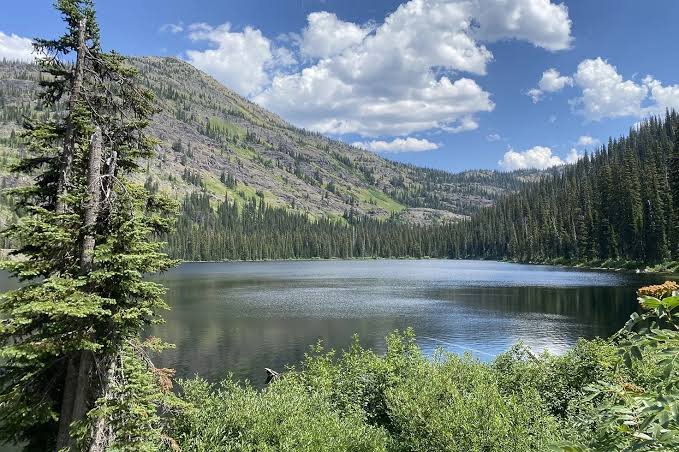
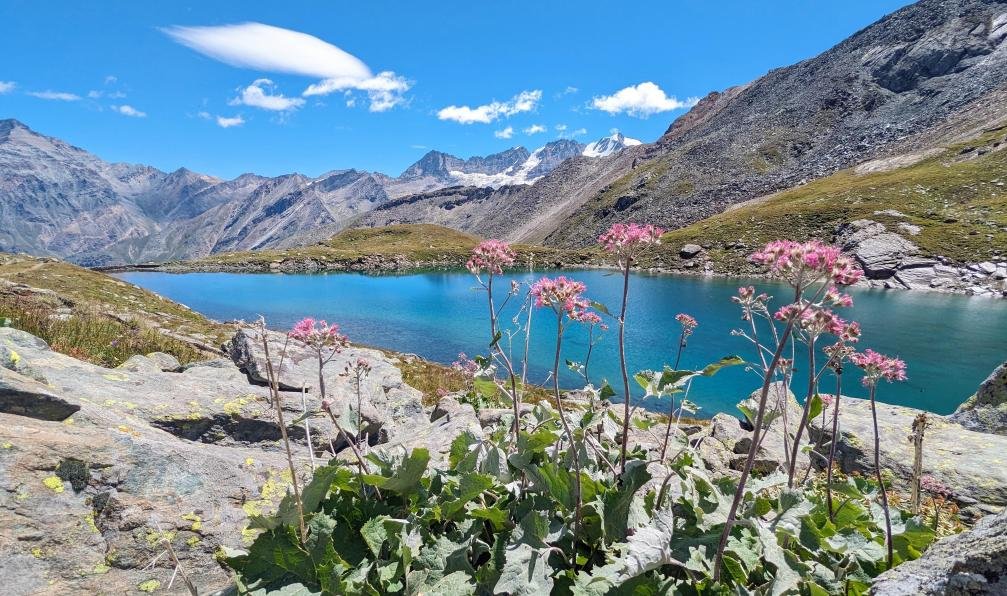
Deep valleys are surrounded by enormous mountains. Alpine streams flow through rocky channels, waterfalls descend from cliffs, and meadows become covered with colorful flowers during the warmer months.
Higher trails reveal glaciers and snow-covered peaks. In autumn, forests develop beautiful golden and reddish colors, while winter transforms the park into a peaceful snow-covered wilderness.
The combination of mountains, forests, water, flowers, glaciers, and wildlife makes Gran Paradiso especially attractive to photographers.
7. Valleys of Gran Paradiso National Park
Cogne Valley
Cogne is one of the best-known gateways to Gran Paradiso National Park. The valley is famous for its mountain scenery, traditional architecture, hiking trails, waterfalls, and access to high-altitude landscapes.
Cogne is also an excellent base for exploring the park because it offers accommodation, restaurants, visitor services, and access to numerous walking routes.
Valsavarenche
Valsavarenche is a beautiful valley located on the northern side of the park. It is strongly associated with Gran Paradiso itself and provides access to several important hiking and mountaineering routes.
The valley is characterized by forests, meadows, streams, and dramatic mountain walls.
Rhêmes Valley
Rhêmes Valley offers a quieter atmosphere and beautiful natural surroundings. It is an excellent destination for travelers who prefer peaceful mountain landscapes and traditional villages.
Orco Valley
The Orco Valley is located on the Piedmont side of the park. It provides access to several spectacular mountain environments and has a long connection with Alpine climbing and mountaineering.
Soana Valley
Soana Valley is another beautiful part of the park, known for traditional settlements, forests, mountains, and peaceful hiking environments.
8. Hiking in Gran Paradiso National Park
Hiking is one of the best ways to experience Gran Paradiso National Park. The park contains trails suitable for different levels of fitness and experience.
Easy walks can be enjoyed in lower valleys and around villages. More demanding routes climb into alpine terrain and may require good physical condition, proper footwear, navigation skills, and awareness of changing mountain weather.
High-altitude routes should never be treated like ordinary countryside walks. Conditions can change rapidly, and snow or ice may remain on trails even when lower valleys are warm.
Easy Valley Walks
Valley trails are ideal for families and visitors who want to enjoy nature without attempting difficult climbs. These routes often pass through forests, meadows, streams, and villages.
Mountain Trails
More challenging trails climb toward mountain refuges and high passes. These routes provide spectacular views but require better preparation.
High-Altitude Hiking
High-altitude trails can involve steep slopes, loose rocks, snowfields, and exposure. Hikers should check conditions before departure and carry suitable equipment.
9. Mountain Refuges
Mountain refuges are an important part of Alpine culture and hiking infrastructure. These shelters provide places where hikers and climbers can rest and, in some cases, stay overnight.
Refuges are particularly useful for people undertaking multi-day routes or high-altitude climbs. They also offer an opportunity to experience the traditional culture of mountain travel.
Availability varies by refuge and season, so travelers should check opening dates, reservation requirements, and current conditions before planning an overnight stay.
10. Best Time to Visit
The best time to visit Gran Paradiso National Park depends on what you want to experience.
Spring
Spring brings melting snow to the lower valleys and the return of flowers and wildlife activity. Higher trails can still be covered with snow, so access may be limited.
Summer
Summer is generally the most popular season for hiking. Many mountain trails become accessible, alpine meadows bloom, and wildlife is active.
However, summer can also bring more visitors and rapidly changing weather.
Autumn
Autumn is an excellent season for photography and peaceful walks. Forests can develop beautiful colors, and visitor numbers often decrease compared with summer.
Winter
Winter transforms the park into a snowy mountain environment. Snowshoeing, winter hiking, and other cold-weather activities may be possible in appropriate areas.
Winter travel requires careful preparation because snow, ice, short daylight hours, and avalanche hazards can create serious risks.
11. Weather and Climate
The climate of Gran Paradiso National Park varies significantly according to altitude. Lower valleys may experience relatively mild summers, while high mountains remain cold throughout much of the year.
Mountain weather can change quickly. Sunny conditions in the morning can be followed by clouds, rain, thunderstorms, or snowfall at higher elevations.
Visitors should always check current mountain weather forecasts before hiking. Carrying extra clothing is important even during summer.
12. Flora of Gran Paradiso National Park
The park contains a remarkable variety of alpine plants. Vegetation changes with altitude and local conditions.
Lower slopes contain forests dominated by species such as larch, spruce, fir, and other mountain trees. Higher areas contain alpine meadows and specialized plants adapted to cold temperatures and short growing seasons.
During summer, alpine meadows can become covered with colorful flowers. These plants provide food for insects and herbivores and contribute to the ecological richness of the park.
Some alpine plants have adapted to survive strong winds, freezing temperatures, intense sunlight, and limited soil.
13. Forests and Alpine Meadows
The forests of Gran Paradiso are important habitats for birds and mammals. They also protect mountain soils and help regulate water flow.
Above the forests, alpine meadows provide open landscapes for grazing animals. Traditional pastoral practices have shaped some of these landscapes for centuries.
The relationship between people and mountain ecosystems is an important part of the park’s cultural identity.
14. Waterfalls and Mountain Streams
Water is one of the defining features of Gran Paradiso National Park. Snow and glaciers feed streams and rivers that travel through the valleys.
During warmer months, melting snow can increase the flow of mountain streams and waterfalls. These waterways provide beautiful viewpoints and are also important components of the Alpine ecosystem.
Water from the mountains eventually contributes to larger river systems beyond the park.
15. Glaciers of Gran Paradiso
Glaciers are among the most dramatic features of the high mountains. They store frozen water and have shaped the valleys and landscapes over thousands of years.
Like glaciers throughout the Alps, those in the Gran Paradiso region have experienced significant changes over time. Rising temperatures are affecting glacier size and snow patterns.
Visitors can observe glacial landscapes from suitable trails, while access directly onto glaciers should only be attempted by appropriately trained and equipped mountaineers.
16. Villages Around the Park
The communities surrounding Gran Paradiso National Park add an important cultural dimension to a visit.
Traditional villages feature stone buildings, wooden structures, small churches, mountain farms, and narrow roads. Local architecture reflects centuries of adaptation to Alpine conditions.
Visitors can experience regional food, traditional crafts, local festivals, and mountain hospitality in many communities around the park.
17. Cogne as a Tourist Base
Cogne is one of the most popular destinations for visitors to the national park. Its location provides convenient access to trails and scenic landscapes.
The town combines tourism infrastructure with a traditional Alpine atmosphere. Visitors can find hotels, guesthouses, restaurants, shops, and services for outdoor activities.
Cogne is particularly attractive to families and hikers who want a comfortable base while exploring the surrounding mountains.
18. Photography in Gran Paradiso
Gran Paradiso National Park is an exceptional destination for nature photography.
Mountain peaks create dramatic backgrounds, while wildlife provides opportunities for compelling images. Alpine flowers, forests, waterfalls, villages, and changing weather conditions offer countless subjects.
Wildlife photographers should use long lenses whenever possible and maintain a respectful distance from animals.
Early morning and evening light can create especially beautiful conditions for landscape photography.
19. Wildlife Photography Tips
Patience is one of the most important skills for wildlife photography. Instead of approaching animals, photographers should remain still and allow wildlife to behave naturally.
Binoculars are useful for spotting animals at a distance. A telephoto lens allows photographers to capture detailed images without disturbing wildlife.
Visitors should never feed animals or attempt to attract them for photographs.
20. Family Travel
Gran Paradiso National Park can be a wonderful destination for families. Lower-elevation walking routes, visitor centers, villages, and nature experiences provide opportunities for children to learn about Alpine ecosystems.
Families should choose routes according to the age and experience of their children. Weather, altitude, trail conditions, and walking distance should all be considered.
Children can enjoy learning to identify birds, flowers, tracks, insects, and mountain animals.
21. Responsible Tourism
Because Gran Paradiso National Park is a protected natural environment, responsible tourism is extremely important.
Visitors should stay on marked trails where required, carry their waste away, avoid disturbing wildlife, and respect local regulations.
Flowers and plants should not be picked. Animals should never be chased, fed, or approached too closely.
Responsible behavior helps preserve the park for future generations.
22. Conservation Efforts
Conservation is at the heart of Gran Paradiso National Park. The park protects habitats, wildlife, mountain ecosystems, forests, glaciers, and cultural landscapes.
The successful protection of the Alpine ibex is one of the park’s most important conservation achievements.
Modern conservation also focuses on climate change, biodiversity, sustainable tourism, habitat management, and monitoring wildlife populations.
23. Climate Change and the Alps
Climate change presents significant challenges for Alpine environments. Rising temperatures can affect glaciers, snow cover, plant communities, water availability, and wildlife behavior.
Glacier retreat is particularly visible in many Alpine regions. Changes in snow conditions can also affect winter tourism and mountain ecosystems.
Protected areas such as Gran Paradiso provide important locations for scientific research and environmental monitoring.
24. Traditional Mountain Culture
Gran Paradiso is not only a natural landscape but also a cultural landscape. People have lived and worked in these valleys for generations.
Traditional agriculture, livestock grazing, cheese production, woodworking, stone construction, and mountain crafts have contributed to the identity of the region.
Visitors who explore local communities can discover a way of life shaped by the mountains.
25. Local Food
Food is an important part of the experience around Gran Paradiso National Park. Alpine cuisine often uses simple and locally available ingredients.
Cheese, potatoes, bread, grains, vegetables, meats, soups, and regional desserts are common elements of traditional mountain cooking.
Local restaurants and mountain refuges can provide opportunities to taste regional specialties after a day outdoors.
26. Hiking Safety
Mountain safety should always be taken seriously. Even relatively short hikes can become difficult when weather changes.
Before hiking, visitors should check the forecast, understand the route, estimate walking time, and tell someone about their plans when appropriate.
Essential equipment can include sturdy hiking footwear, water, food, warm clothing, rain protection, navigation tools, a charged phone, and basic first-aid supplies.
For demanding routes, appropriate technical equipment and professional guidance may be necessary.
27. Mountaineering
Gran Paradiso National Park is an important destination for mountaineers. Gran Paradiso itself is a popular objective for climbers seeking a high Alpine summit.
Mountaineering requires skills that go beyond ordinary hiking. Glacier travel, rope techniques, navigation, weather awareness, and knowledge of snow and ice conditions may all be necessary.
Beginners should consider hiring a qualified mountain guide rather than attempting technically demanding routes independently.
28. Winter Activities
During winter, snow transforms the park into a different world. Depending on local conditions and regulations, visitors may enjoy snowshoeing, winter walking, ski touring, and other mountain activities.
Winter travelers must pay special attention to avalanche forecasts and changing conditions.
Short daylight hours also mean that route planning becomes even more important.
29. Things to Do in Gran Paradiso National Park
- Hike through alpine valleys
- Watch Alpine ibex
- Look for chamois and marmots
- Photograph mountain landscapes
- Explore traditional villages
- Visit local museums and visitor centers
- Admire waterfalls and streams
- Enjoy alpine meadows
- Observe birds of prey
- Explore mountain refuges
- Try local Alpine food
- Enjoy winter landscapes
- Study glaciers and high peaks
- Practice landscape photography
- Experience traditional mountain culture
30. Why Gran Paradiso Is Special
Gran Paradiso National Park is special because it combines spectacular natural beauty with a long history of conservation. The park’s identity is strongly connected to the Alpine ibex, but its importance extends far beyond one species.
Its forests, meadows, glaciers, rivers, mountains, wildlife, villages, and cultural traditions create a complete Alpine environment.
The park also offers something that can be difficult to find in heavily developed mountain destinations: a strong sense of wilderness.
31. Gran Paradiso for Nature Lovers
Nature lovers can spend days exploring the park without repeating the same experience. Every valley has different scenery, and weather can completely transform the appearance of the mountains.
A peaceful morning in an alpine meadow can feel completely different from an afternoon spent beside a glacier or watching ibex on a rocky ridge.
The diversity of habitats makes the park an excellent destination for observing ecological changes across altitude.
32. Gran Paradiso for Adventure Travelers
Adventure travelers can choose from challenging hikes, mountaineering, winter activities, and high-altitude exploration.
The region offers opportunities for both experienced outdoor enthusiasts and visitors who simply want to experience the mountains at a comfortable pace.
Whatever activity you choose, preparation and respect for mountain conditions are essential.
33. Gran Paradiso for Peace and Relaxation
Not every visit needs to involve strenuous hiking. Travelers can enjoy peaceful village walks, scenic viewpoints, picnics in appropriate areas, photography, and quiet moments in nature.
The sound of streams, mountain wind, birds, and distant waterfalls can provide a refreshing break from busy urban life.
34. Suggested One-Day Experience
A one-day visit can focus on one accessible valley. Start early with a scenic walk, enjoy wildlife observation and photography, stop for a local meal, and spend the afternoon exploring nearby viewpoints or villages.
Visitors should avoid trying to cover the entire park in a single day. The area is large and mountainous, and a slower approach usually provides a much better experience.
35. Suggested Multi-Day Trip
A multi-day trip allows travelers to explore several valleys and experience different landscapes.
A possible itinerary could include several days based in different valley communities, with day hikes and scenic excursions from each location.
Travelers interested in mountain refuges can also plan a longer hiking route, provided they have appropriate experience and equipment.
36. Tips for First-Time Visitors
- Check weather conditions before every hike.
- Choose trails according to your fitness level.
- Wear appropriate hiking footwear.
- Carry enough water.
- Bring warm and waterproof clothing.
- Keep a safe distance from wildlife.
- Stay on marked trails.
- Respect local conservation rules.
- Start early for longer hikes.
- Carry navigation equipment or a reliable trail map.
- Do not underestimate mountain weather.
- Consider a professional guide for difficult routes.
37. How to Reach Gran Paradiso National Park
Gran Paradiso National Park can be approached from several directions. Visitors commonly travel through northern Italian cities and then continue toward the valleys leading into the park.
The exact route depends on which part of the park you plan to visit. Cogne, Valsavarenche, Rhêmes Valley, and the Piedmont valleys have different access routes.
Public transportation can be useful for reaching some communities, while a private car may provide greater flexibility for exploring remote valleys.
Travelers should research current transportation schedules before departure because mountain-area services can change seasonally.
38. Accommodation
Accommodation around the park ranges from hotels and guesthouses to mountain refuges and other lodging options.
Cogne and other larger valley communities offer a wider selection of accommodation. Smaller villages may provide quieter stays with fewer services.
During popular summer periods, advance booking is recommended.
39. What to Pack
A good packing list depends on the season and planned activities.
- Hiking boots
- Comfortable outdoor clothing
- Waterproof jacket
- Warm layers
- Water bottle
- Snacks
- Sun protection
- Sunglasses
- Hat
- First-aid supplies
- Navigation equipment
- Phone and power bank
- Camera and extra batteries
- Binoculars for wildlife observation
40. Photography Equipment
Landscape photographers may want a wide-angle lens, while wildlife photographers can benefit from a telephoto lens.
A lightweight tripod can be useful for low-light photography, although hikers should consider its weight on longer routes.
Extra batteries are particularly important in cold conditions because low temperatures can reduce battery performance.
41. Gran Paradiso National Park and Education
The park is also valuable as an outdoor classroom. Students and researchers can study mountain ecology, wildlife behavior, geology, hydrology, botany, climate change, and conservation.
Educational visits can help young people understand why protected areas are important and how human activities influence natural ecosystems.
42. Geology of the Park
The mountains of Gran Paradiso are part of the complex geological structure of the Alps. Over millions of years, tectonic forces pushed and folded rocks, creating the enormous mountain systems visible today.
Glacial erosion later carved valleys and shaped cliffs, ridges, and basins.
Walking through the park therefore provides an opportunity to observe geological history directly in the landscape.
43. The Importance of Alpine Ecosystems
Alpine ecosystems provide many environmental benefits. Mountains store water in snow and ice, support unique biodiversity, regulate water systems, and provide habitats for specialized species.
They also have cultural and economic importance for local communities through tourism, agriculture, forestry, and traditional activities.
44. Respecting Wildlife
Wild animals should always be treated as wild animals. Even species that appear calm can react unpredictably if they feel threatened.
Visitors should never attempt to touch, feed, surround, or chase animals.
Using binoculars or a camera with a long lens allows people to observe wildlife without causing stress.
45. Why Visit Gran Paradiso National Park?
There are many reasons to visit Gran Paradiso National Park. It offers breathtaking mountain scenery, rich wildlife, peaceful valleys, traditional villages, challenging hiking routes, and an inspiring conservation story.
For wildlife lovers, the Alpine ibex is a major attraction. For hikers, the extensive trail network provides countless opportunities. For photographers, almost every valley offers beautiful subjects.
For travelers interested in culture, the surrounding communities provide an authentic view of life in the Italian Alps.
46. Best Experiences for Nature Photographers
Nature photographers should consider sunrise landscapes, alpine flowers, ibex, chamois, waterfalls, mountain villages, and changing weather.
Clouds moving across mountain peaks can create dramatic compositions. Snow-covered peaks in the distance can also provide striking backgrounds for wildlife photographs.
Patience is essential because natural conditions cannot be controlled.
47. A Peaceful Alpine Escape
Gran Paradiso National Park provides an opportunity to slow down and reconnect with nature. Away from crowded cities, visitors can spend time walking through forests, listening to streams, observing animals, and looking across enormous mountain landscapes.
The park demonstrates how conservation can protect both wildlife and the character of a landscape.
48. Frequently Asked Questions
What is Gran Paradiso National Park famous for?
Gran Paradiso National Park is especially famous for its Alpine ibex, spectacular mountains, glaciers, alpine valleys, and status as Italy’s oldest national park.
Where is Gran Paradiso National Park located?
The park is located in northwestern Italy, mainly across the Aosta Valley and Piedmont regions.
What is the highest mountain in the park?
Gran Paradiso is the highest mountain in the park, reaching approximately 4,061 meters above sea level.
Can you see ibex in Gran Paradiso National Park?
Yes. Alpine ibex are one of the park’s most famous wildlife species. Sightings are common in suitable mountain habitats, although wildlife sightings can never be guaranteed.
Is Gran Paradiso National Park good for hiking?
Yes. The park has numerous hiking trails ranging from relatively easy valley walks to demanding high-altitude routes.
When is the best time to visit Gran Paradiso?
Summer is generally excellent for hiking and accessing higher trails, while autumn is attractive for quieter conditions and colorful landscapes. Winter offers snow-covered scenery and specialized activities.
Is Gran Paradiso suitable for families?
Yes. Families can enjoy easier trails, villages, nature observation, and educational experiences, provided routes are selected according to the children’s abilities.
Can beginners climb Gran Paradiso?
Climbing Gran Paradiso requires mountaineering skills because routes can involve glaciers and high-altitude conditions. Beginners should consider training and professional mountain guidance.
Are there hotels near Gran Paradiso National Park?
Yes. Several villages and towns around the park offer hotels, guesthouses, mountain accommodations, and other lodging options.
What animals live in Gran Paradiso National Park?
The park is home to Alpine ibex, chamois, marmots, red deer, roe deer, foxes, birds of prey, and many other species.
49. Final Thoughts
Gran Paradiso National Park is one of Italy’s greatest natural treasures. From the high summit of Gran Paradiso to the quiet forests and valleys below, the park offers an extraordinary combination of wilderness, wildlife, culture, and adventure.
Its history as a protected area began with the conservation of the Alpine ibex and developed into a much broader commitment to protecting mountain ecosystems. Today, the park demonstrates the importance of preserving natural landscapes while allowing people to experience and appreciate them responsibly.
Whether you are a serious mountaineer, an enthusiastic hiker, wildlife photographer, family traveler, nature lover, or someone simply looking for a peaceful escape, Gran Paradiso National Park offers memorable experiences.
The most rewarding way to explore the park is to travel slowly, respect nature, follow local regulations, and allow the mountains to reveal themselves gradually. Every valley, meadow, forest, stream, and mountain ridge has its own character.
Gran Paradiso is more than a destination. It is a living Alpine landscape where wildlife, mountains, forests, glaciers, communities, and centuries of human history come together. Its beauty and ecological importance make it a remarkable place to visit and an important natural heritage site worth protecting for future generations.