Greenfield Paradise Park: A Complete Guide to Green Landscapes, Outdoor Activities, Family Recreation, and Nature
Introduction to Greenfield Paradise Park
Greenfield Paradise Park brings to mind a peaceful outdoor destination filled with open green spaces, beautiful trees, colorful gardens, walking trails, and relaxing places for families and nature lovers. A park with these characteristics can provide a welcome escape from busy city life, giving visitors a place to enjoy fresh air, spend time outdoors, and reconnect with the natural environment.
Public parks are valuable parts of healthy communities. They provide accessible spaces for physical activity, relaxation, social interaction, and environmental education. Whether someone wants to take a morning walk, enjoy a picnic, photograph beautiful scenery, or let children explore nature, a well-designed green space can offer something for visitors of different ages.
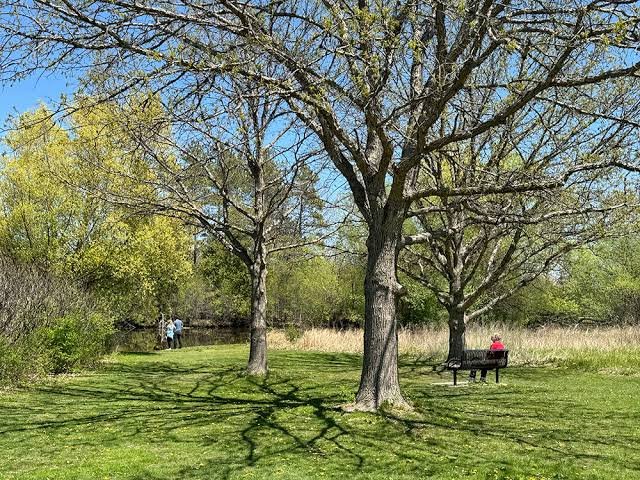
The name Greenfield Paradise Park suggests a landscape dominated by green fields, carefully maintained gardens, mature trees, and open recreational areas. Such a destination could combine the peaceful atmosphere of a meadow with the convenience of a modern public park. Natural scenery would be the main attraction, while walking paths, shaded seating, picnic areas, and family-friendly activities could make the experience more enjoyable.
This article explores Greenfield Paradise Park as a park concept rather than a verified attraction at a specific location. No unconfirmed address, admission fee, opening hours, or official facilities are assumed. The guide explains the possible landscape features, activities, environmental benefits, visitor planning tips, and sustainable design principles associated with a park of this kind.
1. What Makes Greenfield Paradise Park Special?


12
The appeal of Greenfield Paradise Park lies in the idea of combining open green landscapes with spaces designed for recreation and relaxation. Unlike destinations dominated by buildings or artificial attractions, a nature-focused park allows the landscape itself to become the main experience.
Wide green fields
Open fields can give a park a spacious and welcoming atmosphere. Visitors may use suitable designated areas for relaxing, reading, gentle outdoor games, or informal gatherings.
A large green field can also provide clear views across the landscape, making the surroundings feel less crowded. Trees positioned around its edges may create natural boundaries and provide shade without making the space feel enclosed.
Maintaining healthy grass requires suitable soil, drainage, and watering practices. In areas where water is limited, drought-tolerant ground cover or native meadow planting may be more sustainable than maintaining extensive lawns.
Beautiful trees and shaded pathways
Trees contribute shade, visual variety, and habitat for wildlife. A mixture of tree species can create differences in foliage, bark texture, seasonal color, and overall appearance.
Walking beneath a canopy of trees can also make outdoor activity more comfortable during warm weather. Benches placed near suitable trees provide places for visitors to rest and enjoy the surroundings.
Tree selection should account for local climate, available space, root growth, maintenance needs, and the ecological value of each species.
Colorful gardens
Flower gardens can introduce bright colors into a green landscape. Seasonal beds, flowering shrubs, and suitable native plants can attract pollinators while providing interesting views throughout the year.
A balanced planting design should include flowers that bloom at different times, so the park remains visually appealing beyond a single season.
Peaceful recreational spaces
A successful park offers different experiences without requiring every area to serve the same purpose. Open fields may support active recreation, while quieter corners can provide space for reading, meditation, and nature observation.
This variety makes the park more welcoming to visitors with different interests and needs.
A connection with nature
Perhaps the most important feature of a green park is the opportunity to spend time in a natural setting. Visitors can observe birds, notice changing weather, watch plants grow, and enjoy the simple experience of being outdoors.
These moments can help people develop a stronger appreciation for the environment and encourage more sustainable everyday habits.
2. Exploring the Green Fields and Open Landscapes

Open fields are central to the idea of Greenfield Paradise Park. They provide a visual contrast to wooded paths and flower gardens while creating flexible spaces for different recreational activities.
The beauty of open green spaces
A broad field can make a landscape feel calm and spacious. Instead of looking at fences, walls, or closely packed buildings, visitors can enjoy uninterrupted views of grass, trees, and the sky.
The appearance of a field changes with the weather and seasons. Morning sunlight may create soft shadows across the grass, while clouds and changing light can give the landscape a different character throughout the day.
In regions with suitable climates, seasonal wildflowers can introduce additional color. Native meadow planting may also provide habitat for insects and other wildlife.
Green fields for relaxation
Open lawns can be useful places to sit, read, talk with friends, or enjoy a picnic where permitted.
Visitors who prefer a quiet outing can choose a less crowded section of the field and spend time observing the surroundings. Families may enjoy the opportunity to relax together without following a strict schedule.
A comfortable visit does not always require a planned activity. Sometimes, simply sitting beneath a tree or watching the clouds can be enough.
Open spaces for gentle exercise
Where permitted, suitable lawns may accommodate activities such as stretching, light exercise, frisbee, or informal ball games.
Designating specific areas for active recreation can prevent conflicts with visitors seeking quiet relaxation. It can also protect flower beds and sensitive natural habitats from accidental damage.
Maintaining healthy grass and soil
Healthy green fields depend on more than frequent mowing. Soil condition, drainage, plant diversity, and water availability all influence the quality of the landscape.
Compacted soil can restrict the movement of air and water, making it harder for grass roots to grow. High foot traffic may therefore require carefully designed paths or designated activity areas.
Sustainable maintenance can include reducing unnecessary irrigation, using appropriate grass varieties, and replacing some conventional lawn areas with native ground cover or meadow vegetation.
Balancing lawns with biodiversity
Short grass can be useful for recreation, but extensive lawns usually provide fewer habitats than areas containing a variety of plants.
A park can balance recreational lawns with less frequently mown sections, flowering meadows, shrubs, and trees. This creates different habitats while maintaining attractive open spaces.
Clearly marked paths and signs can help visitors understand why some sections are managed differently from others.
3. Walking Trails and Scenic Nature Paths


12
Walking trails can make Greenfield Paradise Park enjoyable for people who want to explore the landscape gradually. They can connect open fields with gardens, wooded areas, viewpoints, and seating spaces.
Short paths for casual visitors
Short routes are useful for visitors who want a gentle walk without committing to a long journey.
A simple loop through a green field or garden can provide a refreshing outdoor experience in a relatively short time. Short trails can also be suitable for families with young children and people who prefer frequent breaks.
Where possible, resting points should be placed at convenient intervals.
Longer trails for nature enthusiasts
Longer trails can pass through different landscape types, offering a more varied experience.
One section might cross an open meadow, while another follows a line of trees or passes through a garden. This variation makes the walk more interesting and allows visitors to notice changes in vegetation and wildlife.
Trail maps should clearly identify distances, surface types, steep sections, and any restrictions.
Accessible walking routes
A park becomes more inclusive when it provides routes that visitors with different mobility needs can use.
Firm, stable surfaces, manageable slopes, sufficient path width, and suitable resting areas can improve accessibility. The feasibility of these features depends on the landscape and environmental conditions.
A park may have some accessible routes without every natural trail being suitable for wheelchairs or mobility aids. Accurate information allows visitors to choose a route that meets their needs.
Walking for physical well-being
Walking is an accessible form of physical activity that can be adapted to different fitness levels.
Visitors may begin with a short, comfortable route and gradually increase their walking time as their fitness improves. Choosing a scenic route can make regular exercise feel more enjoyable.
Comfortable shoes, suitable clothing, and adequate hydration are important, particularly during long walks or warm weather.
Mindful walking
A nature trail can also become an opportunity to slow down and pay attention to the environment.
Visitors might listen to birdsong, notice the shape of leaves, observe the movement of grasses, or watch how sunlight changes across the path.
Mindful walking does not require special equipment. It simply involves giving attention to the surroundings rather than rushing toward a destination.
4. Gardens and Flowering Plants


10
Flowering gardens can add color and variety to the open landscapes of Greenfield Paradise Park. They may provide a transition between recreational lawns and more natural areas, creating spaces that appeal to visitors interested in plants, photography, and gardening.
Choosing suitable flowering plants
Plant selection should be based on the local climate, soil, sunlight, drainage, and water availability.
Plants that naturally suit local conditions often require less intensive maintenance than species that struggle to survive in the environment.
Native flowers can be particularly valuable because they may support local pollinators and other wildlife. However, the best planting choices depend on the specific region and the conditions of the garden.
Creating seasonal displays
A garden can remain interesting throughout the year when plants bloom at different times.
- Spring: Flowering trees, bulbs, and early perennials can introduce fresh color.
- Summer: Heat-tolerant flowers and suitable flowering shrubs can provide bright displays.
- Autumn: Late-season flowers, grasses, and changing foliage can create warm colors.
- Winter: Evergreen plants, distinctive bark, and seed heads can maintain visual interest.
The exact planting calendar depends on the climate and the species selected.
Designing attractive flower beds
Flower beds can be designed with variations in height, color, texture, and shape.
Taller plants may be positioned toward the back, while smaller plants can create borders along paths. Curved beds often complement natural landscapes, whereas more formal geometric arrangements can suit carefully landscaped gardens.
Plants need sufficient space to grow. Overcrowded planting may increase competition for water and nutrients and can make maintenance more difficult.
Supporting pollinators
Flowering plants can provide food for bees, butterflies, hoverflies, and other pollinating insects.
Planting a range of suitable species with different blooming periods can help provide food throughout the growing season. Reducing unnecessary pesticide use and maintaining suitable habitat can further support pollinator populations.
Visitors should observe insects without touching them or disturbing their feeding behavior.
Fragrant and sensory gardens
A sensory garden may combine different flower colors, leaf textures, fragrances, and plant shapes.
Such a space can offer an engaging experience for visitors who enjoy close observation of plants. Fragrance should be used thoughtfully because some visitors have allergies or sensitivities.
A varied planting scheme can provide interest without relying entirely on strongly scented flowers.
5. Family-Friendly Activities at Greenfield Paradise Park

A green park can provide an inviting setting for families who want to spend time together outside the home. A park inspired by Greenfield Paradise Park could combine open recreation areas with opportunities for children to learn about nature.
Family picnics
A picnic can turn a short visit into a relaxed outing.
Families may bring sandwiches, fruit, vegetables, and drinking water, then choose a designated picnic area. Shaded tables can be convenient, while a blanket may suit suitable grassy areas.
Visitors should keep food safely stored, collect all packaging, and avoid leaving scraps behind. Feeding wild animals can create problems for wildlife and should generally be avoided.
Nature scavenger hunts
A nature scavenger hunt encourages children to observe details in their surroundings.
Instead of collecting plants or animals, children can search for things to identify, describe, or photograph.
Possible tasks include:
- Find a leaf with an unusual shape.
- Observe a flower with several different colors.
- Listen for a bird call.
- Find a tree with textured bark.
- Look for a butterfly visiting a flower.
- Observe the movement of clouds.
- Find a naturally fallen leaf with a distinctive pattern.
These activities can make a walk more engaging while teaching children to respect living things.
Outdoor drawing and nature journals
Children can sketch trees, describe flowers, record weather conditions, or write about an animal they observe.
A nature journal can be as simple as a notebook with drawings and short descriptions. Over time, it may help children notice seasonal changes and develop an interest in science.
Adults can encourage curiosity by asking questions rather than expecting children to identify every plant or animal correctly.
Games on open lawns
Suitable open areas can support games such as catch, frisbee, or gentle group activities where park rules permit them.
Families should select a location away from flower beds, narrow paths, wildlife habitats, and people who are seeking quiet relaxation.
Separating active recreation from quieter areas allows different visitors to enjoy the park comfortably.
Relaxing together
A family outing does not need to be filled with activities. Parents and children can walk together, watch birds, share a snack, or sit beneath a tree.
Giving children time to explore safely can make a visit more memorable than rushing through a long itinerary.
6. Birdwatching and Wildlife Observation


8
Green fields, trees, shrubs, and flowering plants can provide habitats for different types of wildlife. The species found in a real park would depend on its location, climate, vegetation, and connection to nearby natural areas.
Birdwatching for beginners
Birdwatching can be enjoyed with little or no specialized equipment.
Visitors can start by observing birds from a distance and noting their size, colors, movements, calls, and feeding behavior.
A notebook can help record observations, while binoculars may make it easier to see birds in trees or across open fields.
Early morning can offer good birdwatching opportunities in many locations, although activity patterns vary between species and seasons.
Butterflies and beneficial insects
Flower gardens and meadows may attract butterflies, bees, hoverflies, and other insects.
Visitors can watch how insects move between flowers and observe how their activity changes with sunlight, temperature, and weather.
A diverse planting scheme with suitable native flowers can provide more valuable habitat than a garden dominated by a small number of ornamental species.
Observing wildlife responsibly
Wildlife observation should never interfere with an animal’s ability to feed, rest, reproduce, or escape.
Visitors should avoid chasing animals, touching nests, collecting insects, or feeding birds. Dogs should be controlled according to local rules, especially near sensitive habitats.
A camera or notebook provides a way to remember an observation without disturbing the animal.
Educational wildlife activities
Families and school groups can record the birds they see, compare leaf shapes, or note which flowers attract insects.
These observations can introduce concepts such as habitats, food sources, biodiversity, and seasonal behavior.
More formal wildlife surveys should follow suitable methods and avoid disturbing sensitive species or habitats.
7. Photography Opportunities

A park featuring open fields, mature trees, and flowering gardens can offer many photography opportunities. Visitors may capture wide landscapes, close-up plant details, wildlife, or photographs of family outings.
Landscape photography
Wide views of a green field can communicate the scale and peacefulness of a landscape.
Photographers can use a walking path, a line of trees, or a flower bed to guide the viewer’s eye through the image.
Different viewpoints can create different results. A low angle may emphasize foreground flowers, while a slightly elevated position can show how the field connects with surrounding trees.
Flower photography
Flower photography provides opportunities to explore color, texture, shape, and natural patterns.
Close-up images can reveal the structure of petals and leaves, while wider photographs can show how flower beds fit into the larger landscape.
Soft light can help preserve detail in delicate petals. In strong sunlight, moving to another angle may reduce harsh shadows and bright highlights.
Photographers should never pick flowers or damage plants to improve a picture.
Tree and canopy photography
Mature trees can be photographed individually or as part of a larger landscape.
Looking upward through the branches can create a composition focused on leaves and sky, while a path beneath a tree canopy can produce a sense of depth.
Seasonal changes provide opportunities to photograph the same tree at different times of the year.
Wildlife photography
Birds and insects can make interesting subjects, but photographing them requires patience and respect.
Visitors should keep a suitable distance and avoid actions that cause animals to flee, abandon feeding, or become distressed.
Flash, drones, and other equipment should be used only where appropriate and permitted.
Capturing the changing seasons
Photographing the same area in different seasons can reveal changes in plant growth, light, and landscape color.
Spring may feature fresh foliage and blossoms, summer can bring dense greenery, autumn may introduce changing leaves, and winter may reveal the shapes of branches and grasses.
A seasonal photo series can become a useful visual record of the landscape.
8. The Best Time to Visit Greenfield Paradise Park
The best time to visit a green park depends on the local climate, weather, and activities a visitor wants to enjoy.
Since Greenfield Paradise Park is discussed here as a general park concept, no specific flowering calendar or official visitor schedule can be confirmed.
Spring: Fresh greenery and flowers
Spring can be an attractive season for parks in climates where plants emerge from winter dormancy.
Flowering trees, new leaves, and blooming garden beds may create colorful scenery. Pollinators also become more noticeable as suitable plants begin flowering.
The timing of spring growth varies considerably by region, so visitors should consider the actual local conditions.
Summer: Long days and outdoor recreation
Summer can be suitable for walking, picnics, photography, and family activities when temperatures are comfortable.
In hot climates, however, the midday sun may make outdoor activity unpleasant or dangerous. Visitors should drink water, use sun protection, and consider visiting during cooler hours.
Shade trees can improve comfort, but visitors should not assume that every park offers covered seating or drinking-water facilities.
Autumn: Seasonal colors
In regions with deciduous trees, autumn may bring colorful foliage and cooler temperatures.
Walking trails can become especially scenic when leaves change color. Wet leaves can also make paths slippery, so suitable footwear and careful walking are important.
In warmer climates, autumn may bring little change in tree color, and the best conditions may depend more on rainfall and temperature.
Winter: Peaceful scenery
Winter can offer a quieter park experience. Bare branches, evergreen trees, and low-angle sunlight can create distinctive landscape views.
In colder regions, frost and ice may make paths unsafe. Visitors should check weather conditions and follow any trail closures.
In warmer regions, winter may be one of the most comfortable times for longer walks.
Choosing the right time of day
Morning is often suitable for walking and wildlife observation. Afternoon may work well for family outings, while evening can provide attractive light for photography where park access permits.
Visitors to a real destination should confirm opening hours and local conditions before travelling.
9. Planning a Comfortable Visit
A little preparation can make an outdoor visit more enjoyable.
Check the weather forecast
Check the forecast before leaving home, especially if the outing includes a long walk or picnic.
Heavy rain, high winds, extreme heat, and thunderstorms can affect safety and comfort. A flexible plan makes it easier to shorten the visit or choose another day.
Wear suitable footwear
Comfortable shoes can make a significant difference during outdoor activity.
The best footwear depends on the trail surface and distance. Paved paths may require ordinary walking shoes, while uneven natural trails may need shoes with better grip and support.
Bring enough water
Hydration is important during outdoor activity, especially in warm weather.
Visitors should carry sufficient water for the length of the visit and for everyone in their group. Drinking-water stations should not be assumed to exist unless confirmed by the park’s official information.
Pack useful essentials
Depending on the planned activities, useful items may include:
- Drinking water.
- Comfortable walking shoes.
- Sun protection.
- Weather-appropriate clothing.
- Snacks or a packed meal.
- A charged mobile phone.
- A reusable bag for rubbish.
- A camera or notebook.
- Personal medication when needed.
Visitors should avoid bringing unnecessary equipment that makes walking uncomfortable.
Consider accessibility
Before visiting a real park, check the availability of accessible paths, toilets, seating, parking, and other facilities.
Not every trail is suitable for every visitor, and some natural routes may include steep sections or uneven surfaces. Accurate information can help visitors plan a comfortable route.
Plan for children
Families should consider children’s ages, walking abilities, toilet access, weather, and opportunities for rest.
Shorter walks with breaks may be more enjoyable than attempting to cover a large area without stopping.
Adults should establish clear safety boundaries, especially around ponds, creeks, steep slopes, or other hazards.
10. Picnicking and Relaxation
A picnic is one of the simplest ways to enjoy a green landscape. A park like Greenfield Paradise Park could provide a welcoming setting for families, friends, and individuals who want to spend time outdoors.
Choosing a suitable picnic spot
A good picnic area should be comfortable and away from fragile habitats, unstable slopes, and other hazards.
Designated picnic tables may be convenient for groups, while a blanket can work on suitable grass where permitted.
Visitors should avoid blocking paths or spreading out into areas intended for other activities.
Preparing easy picnic food
Picnic meals can be simple and convenient.
Sandwiches, wraps, fruit, vegetables, and other easy-to-carry foods are useful choices. Perishable food should be kept at safe temperatures, especially during warm weather.
Reusable containers and refillable water bottles can reduce waste and make cleanup easier.
Reading and quiet recreation
A shaded bench or quiet corner can provide a peaceful place to read, sketch, write, or simply observe the landscape.
Quiet spaces are valuable because not every visitor wants to take part in group activities or exercise.
Providing a mixture of active and peaceful areas helps a park serve a wider range of visitors.
Keeping the area clean
Visitors should collect all packaging, food scraps, and other waste before leaving.
If waste bins are full or unavailable, carrying rubbish out of the park is preferable to leaving it behind.
Food scraps should not be scattered across the lawn because they can attract wildlife and create maintenance problems.
11. Environmental Benefits of Greenfield Paradise Park

A green park can provide environmental benefits beyond its recreational value. Trees, grasses, flowering plants, and natural habitats can support wildlife, improve local environmental quality, and create opportunities for conservation education.
Supporting biodiversity
Biodiversity includes the variety of living organisms in an environment.
A park with several layers of vegetation can provide a wider range of habitats than a landscape consisting entirely of short grass.
Trees may offer nesting or resting sites for birds, shrubs can provide shelter, and flowering plants may supply food for pollinators.
The benefits depend on the quality of the habitat and the park’s connection to the wider landscape.
Improving local shade and comfort
Trees provide shade and can reduce the temperature of surfaces beneath their canopies.
Through evapotranspiration, trees and other plants can also contribute to local cooling when water is available.
Shaded paths may be more comfortable for walking during warm weather, particularly when trees are placed where people naturally travel or rest.
Helping manage rainwater
Green spaces can allow some rainfall to soak into the ground rather than flowing directly across paved surfaces.
Permeable surfaces, rain gardens, and suitable planting can help manage runoff when designed for local soil and rainfall conditions.
These features may reduce the movement of sediment and some pollutants toward nearby waterways, although their effectiveness depends on the design and maintenance of the system.
Protecting soil
Plant roots help hold soil in place, while vegetation reduces the direct impact of rain on exposed ground.
Areas with heavy foot traffic may need clearly defined paths to prevent soil compaction and erosion.
Meadows, shrubs, and ground cover can help protect less frequently used sections of the park.
Encouraging environmental awareness
A park offers a practical setting for learning about nature.
Visitors can observe how plants respond to the seasons, how insects use flowers, and how birds depend on trees and other habitats.
Interpretive signs, guided walks, and school activities can connect these observations with broader environmental issues.
12. Sustainable Landscaping and Park Management
Sustainable landscaping can help a park remain attractive while reducing resource use and protecting its ecological value.
Choosing plants for the local climate
Plants should be selected according to temperature, rainfall, soil type, sunlight, and water availability.
Climate-appropriate plants may require less irrigation and fewer interventions than species poorly suited to local conditions.
Native plants can support local wildlife, although the best choices depend on the specific region and planting site.
Using water efficiently
Maintaining large areas of green grass can require substantial water, especially during dry periods.
Water-efficient landscaping may include:
- Grouping plants by their water needs.
- Using suitable mulch to reduce evaporation.
- Applying water directly to plant roots when practical.
- Watering at appropriate times.
- Choosing drought-tolerant plants for dry areas.
- Monitoring soil moisture before irrigating.
These approaches can help maintain healthy vegetation while reducing unnecessary water use.
Managing garden waste
Suitable leaves, branches, and plant material can sometimes be composted and returned to the soil.
Compost can improve soil structure and contribute organic matter. Diseased plant material and invasive species may need different handling, so park managers should follow appropriate local guidance.
Preventing invasive plant growth
Some ornamental plants spread beyond their intended planting areas and compete with native vegetation.
Park managers should check whether proposed plants are invasive in the local region and select suitable alternatives when necessary.
This is especially important near natural habitats, where invasive plants can spread beyond the park.
Maintaining trees responsibly
Mature trees can provide shade, habitat, and landscape character for many years.
Their roots need sufficient space, and their trunks and branches should be protected from unnecessary damage. Qualified professionals may be required to assess trees that pose safety concerns or have been damaged by storms.
Tree management should balance visitor safety with the environmental value of mature vegetation.
Reducing unnecessary chemical use
Fertilizers, pesticides, and herbicides should be used only when justified and according to appropriate guidance.
Excessive chemical use can harm beneficial insects or contribute to pollution if substances enter drainage systems and waterways.
Integrated pest management and suitable plant selection may reduce the need for routine chemical treatments.
13. Safety and Responsible Recreation
A park should provide an enjoyable outdoor environment while helping visitors understand and manage potential risks.
Stay on designated trails
Established paths reduce the risk of visitors wandering into hazardous areas and help protect vegetation from trampling.
Shortcuts across lawns, flower beds, or natural habitats can damage plants and gradually create erosion.
Watch for weather changes
Thunderstorms, strong winds, heavy rainfall, and extreme heat can change outdoor conditions quickly.
Visitors should leave exposed areas when dangerous weather approaches and follow instructions from park staff or emergency authorities.
Supervise children
Children should be supervised according to their age and the conditions of the park.
Adults should explain boundaries near ponds, creeks, roads, steep slopes, and other hazards. Even a park that appears calm may contain risks that are difficult for children to recognize.
Keep pets under control
Pet policies vary between parks. Where dogs are permitted, visitors should follow leash requirements, clean up after their animals, and prevent them from disturbing wildlife.
Some areas may prohibit pets to protect sensitive habitats or provide space for other activities.
Respect other visitors
Keep noise at a reasonable level, give people room to pass on narrow paths, and use designated areas for active recreation.
Visitors should also respect the privacy of other people when taking photographs.
Follow park rules
Different parks have different policies regarding cycling, barbecues, swimming, events, pets, and after-hours access.
Visitors should check the rules for the actual destination rather than assuming that every activity is permitted.
14. Educational Opportunities for Students
A park filled with plants, trees, and open landscapes can become an outdoor classroom.
Students can explore biology, geography, environmental science, mathematics, and creative writing through direct observation.
Learning about plants
Students can compare leaf shapes, flower structures, tree bark, and plant heights.
They may examine how sunlight affects plant growth or observe differences between evergreen and deciduous trees.
Recording observations during repeated visits can help students understand how plants change over time.
Studying insects and pollination
Flowering gardens provide opportunities to observe insects visiting plants.
Students can learn how pollination works, why insects need suitable habitats, and how flowering periods influence the availability of food.
Observations should be made without touching or capturing insects unless an activity is properly supervised and designed to protect the animals.
Understanding ecosystems
Students can discuss how plants, insects, birds, soil, water, and weather interact.
A simple food-web activity can demonstrate how different organisms depend on one another.
The park can also help introduce concepts such as habitat loss, invasive species, pollution, and conservation.
Practicing mathematics
Outdoor activities can include measuring path distances, counting flowers within a defined area, comparing tree sizes, or recording weather observations.
Students can organize the results into tables and graphs, turning a park visit into a practical data activity.
All measurements should be carried out safely and without damaging plants or disturbing wildlife.
Encouraging creative writing
Natural landscapes can inspire descriptive writing, poetry, drawing, and storytelling.
Students might describe the sounds of a park, write about the changing colors of a garden, or create an illustrated guide to the plants they observe.
These activities combine creativity with attention to detail.
15. Accessibility and Inclusive Design
A well-planned park should offer meaningful outdoor experiences for people with different abilities and needs.
Accessible paths
Where terrain permits, accessible routes can include stable surfaces, manageable slopes, sufficient width, and suitable drainage.
These features make it easier for people using wheelchairs, walkers, and other mobility aids to explore the landscape.
Not every natural trail can be fully accessible, so clear information about path conditions is important.
Comfortable seating
Benches provide places to rest and enjoy the surroundings.
Placing seating at regular intervals can help visitors who need frequent breaks. A mixture of shaded and sunny seating gives people more choice depending on the weather and their preferences.
Clear signs and maps
Signs should be readable and provide clear directions.
Maps can identify route lengths, surfaces, slopes, toilets, entrances, and other facilities where applicable.
Accurate information helps visitors plan a route that matches their abilities and interests.
Quiet areas
Some visitors prefer spaces away from busy recreation zones.
Quiet gardens, shaded paths, and less-developed areas can provide opportunities for peaceful relaxation. Keeping these areas separate from noisy activities can improve the experience for a wider range of visitors.
Sensory experiences
Gardens can include plants with different leaf textures, colors, shapes, and scents.
Sensory planting should be planned thoughtfully to avoid overwhelming visitors who have sensitivities to fragrance or visual stimulation.
A variety of experiences gives people more choice in how they interact with the landscape.
16. Community Activities and Outdoor Events
Parks can become important community spaces by providing places for people to meet, learn, and participate in shared activities.
A park inspired by Greenfield Paradise Park could support small, carefully managed events while maintaining quiet spaces for other visitors.
Community gardening
Community gardening activities may involve planting flowers, maintaining suitable garden beds, or learning about native plants.
These projects can help residents develop practical gardening skills and a stronger connection to their local environment.
Planting activities should be coordinated with park management to ensure that selected species are suitable.
Guided nature walks
Guided walks can introduce visitors to plants, birds, insects, and landscape features.
A guide might explain how to identify common trees, observe wildlife responsibly, or understand the importance of pollinators.
Group size should be managed to prevent damage to sensitive areas and avoid blocking narrow paths.
Outdoor art activities
Open green spaces can provide inspiration for sketching, painting, photography, and other creative activities.
Organized events should avoid damaging lawns, obstructing paths, or disturbing wildlife.
Commercial photography and larger gatherings may require permission depending on local regulations.
Environmental volunteering
Volunteers may help collect litter, maintain suitable planting areas, or participate in supervised habitat restoration.
Tasks should be clearly explained, and volunteers should understand which plants can be removed and which must remain undisturbed.
Work near hazardous terrain or sensitive habitats should be supervised by appropriate personnel.
Balancing events and tranquility
Not every part of a park needs to host activities.
Quiet zones, natural meadows, and wildlife habitats can preserve the peaceful atmosphere that many visitors value. Event scheduling and suitable locations can help different groups share the landscape comfortably.
17. Maintaining a Clean and Attractive Park
Consistent maintenance helps protect the safety, appearance, and environmental value of a park.
Lawn and meadow management
Different types of green spaces require different maintenance approaches.
Recreational lawns may need regular mowing, while meadow areas may benefit from less frequent cutting that allows suitable plants to flower and set seed.
Maintenance schedules should reflect the purpose of each area and the needs of local wildlife.
Flower garden care
Flower beds may require watering, pruning, weeding, and occasional replacement of plants.
Choosing suitable species can reduce maintenance demands and improve long-term resilience.
Excessive pruning, unnecessary fertilizer use, and routine pesticide applications may harm beneficial insects or create avoidable environmental problems.
Tree inspections
Trees should be monitored for damaged branches, disease, and other conditions that could create safety concerns.
Professional assessment may be necessary for large or mature trees, especially following storms.
Protecting tree roots and avoiding unnecessary soil compaction can help maintain tree health.
Path maintenance
Paths should be checked for loose surfaces, cracks, fallen branches, and drainage problems.
Timely repairs can reduce trip hazards and help keep routes usable during different weather conditions.
Where a route becomes unsafe, a temporary closure may be necessary until repairs are completed.
Litter management
Litter can harm wildlife, contaminate soil, and make public spaces less inviting.
Suitable waste bins, regular collection, clear signs, and public education can help reduce the problem.
Visitors should carry away their rubbish if bins are unavailable or full.
18. How Greenfield Paradise Park Could Benefit Local Communities
Green spaces can improve community life by providing opportunities for physical activity, social interaction, relaxation, and contact with nature.
The scale of these benefits depends on the park’s design, accessibility, maintenance, and relationship with the surrounding community.
Encouraging outdoor activity
Convenient walking paths and open recreation areas can make it easier for people to include movement in their daily routines.
Visitors can choose a short walk, a longer route, or an appropriate outdoor game depending on their interests and abilities.
Supporting social connections
Parks provide shared places where friends, families, and neighbors can meet.
Picnics, walking groups, community gardening, and nature activities can encourage social interaction without requiring visitors to purchase anything.
Quiet spaces also allow individuals to enjoy the park on their own.
Improving access to nature
Not everyone has access to a private garden or a large outdoor space at home.
Public parks can provide opportunities to experience trees, flowers, birds, and seasonal changes within a shared environment.
Their value is greater when visitors can reach them safely and when the park’s facilities meet a variety of needs.
Supporting environmental learning
A park gives residents opportunities to observe nature directly.
Visitors may develop a better understanding of biodiversity, water conservation, tree care, and the importance of protecting natural habitats.
Community education can help translate this interest into practical conservation actions.
Building a sense of place
Distinctive gardens, mature trees, open fields, and recognizable walking routes can become part of a community’s identity.
When residents participate in suitable volunteer activities and park planning, they may develop a stronger sense of responsibility for the shared space.
A park’s identity should be built around its real landscape and community rather than unsupported claims about its history or popularity.
19. A Sample One-Day Itinerary for Greenfield Paradise Park
Because Greenfield Paradise Park is treated here as a park concept rather than a verified attraction, this itinerary is an example for a destination with open fields, gardens, and walking trails. It is not an official schedule.
Morning: Enjoy a peaceful walk
Begin with a short or moderate walk through the green landscape.
Take time to notice the trees, flowers, and changing views. Visitors interested in wildlife can pause to observe birds or insects without approaching them too closely.
Choose a route appropriate for the group’s fitness and mobility needs.
Mid-morning: Explore the gardens
Spend time examining flowering plants and observing differences in color, shape, and texture.
Families can use a nature scavenger hunt, while photographers can experiment with landscape and close-up images.
Stay on established paths and avoid stepping into planted beds.
Late morning: Take a rest
Find a suitable bench or resting area and enjoy a quiet break.
Visitors may read, sketch, write in a nature journal, or simply watch the surroundings.
A break can make the outing more comfortable, particularly for children and people who prefer a slower pace.
Midday: Enjoy a picnic
If picnicking is allowed, select a designated area away from sensitive habitats and hazards.
Enjoy a packed meal, drink water, and collect all rubbish before leaving.
During hot weather, prioritize shade and consider shortening the visit if conditions become uncomfortable.
Afternoon: Choose a relaxed activity
Depending on the facilities available at the actual destination, the afternoon could include a second walk, nature observation, photography, or gentle recreation on a suitable lawn.
Visitors should leave time for rest rather than trying to complete too many activities.
Before leaving: Leave the area clean
Check the picnic area and seating spots for belongings and rubbish.
Follow any exit signs and current safety notices. If the park has an official feedback process, visitors can share practical suggestions for improving facilities and maintenance.
20. Essential Items to Bring
The best packing list depends on the weather, planned activities, trail conditions, and available facilities.
| Item | Purpose |
|---|---|
| Drinking water | Helps maintain hydration during outdoor activity. |
| Comfortable shoes | Provide support while walking. |
| Sun protection | Helps reduce exposure to strong sunlight. |
| Weather-appropriate clothing | Helps visitors adapt to changing conditions. |
| Snacks or a packed meal | Useful for longer outings. |
| Mobile phone | Supports communication and navigation. |
| Reusable rubbish bag | Helps carry waste out of natural areas. |
| Notebook or camera | Useful for recording observations and memories. |
| Personal medication | Important for visitors who need medication during the outing. |
| Insect protection | May be useful depending on the location and season. |
Visitors should confirm whether their actual destination provides toilets, drinking-water stations, picnic tables, parking, or other facilities.
21. Common Mistakes to Avoid
A successful park visit depends on preparation, realistic expectations, and respect for the landscape.
Assuming facilities are available
Some parks offer restrooms, cafés, accessible parking, and visitor centers. Others have only basic trails and open spaces.
Checking official information before travelling helps visitors prepare for the facilities that are actually available.
Ignoring the weather
Extreme heat, heavy rain, strong winds, and thunderstorms can make outdoor activity uncomfortable or unsafe.
Visitors should check the forecast and remain flexible about the length and timing of the outing.
Damaging plants
Walking through flower beds, picking flowers, or breaking branches can damage the landscape.
Visitors should use designated paths and observe plants without removing them.
Feeding wildlife
Human food can be unsuitable for wild animals and may encourage unnatural feeding behavior.
Visitors should observe wildlife from a distance and follow any specific rules provided by park management.
Leaving rubbish behind
Even small items can create environmental problems.
Visitors should collect food packaging, bottles, wrappers, and other waste before leaving their picnic area or resting spot.
Planning too many activities
Trying to explore every trail and garden in one visit can make the experience tiring.
Choosing a few activities and allowing time for spontaneous discoveries often leads to a more enjoyable outing.
22. Frequently Asked Questions About Greenfield Paradise Park
What is Greenfield Paradise Park?
Greenfield Paradise Park is discussed in this guide as a nature-park concept featuring open green fields, trees, gardens, walking paths, and outdoor recreation. A specific established attraction has not been identified.
Where is Greenfield Paradise Park located?
No confirmed location has been provided. Anyone looking for a real attraction with this name should verify the exact location and official information before travelling.
What activities could visitors enjoy there?
A park of this type could offer walking, picnicking, photography, birdwatching, nature journaling, flower observation, and family recreation, depending on its actual facilities and rules.
Is Greenfield Paradise Park suitable for families?
A well-designed green park can suit families by providing safe paths, open spaces, places to rest, and appropriate recreational areas. Children should be supervised, especially near water, roads, and other hazards.
What is the best season to visit?
Spring may be attractive for flowers, summer for outdoor recreation, autumn for seasonal colors in suitable climates, and winter for quieter scenery. The best season depends on the actual location and its weather.
Can visitors take photographs?
Photography is generally a popular activity in nature parks. Visitors should respect privacy, avoid damaging plants, and follow any restrictions on commercial photography, tripods, or drones.
Does Greenfield Paradise Park have walking trails?
Walking trails are part of the park concept described here, but no specific trail network has been verified for a real destination with this name.
Are picnics allowed?
Picnicking could be an activity in a park of this type, but permission depends on the rules of the actual location. Visitors should check official guidance before bringing food or picnic equipment.
What should visitors bring?
Useful items may include drinking water, comfortable shoes, sun protection, suitable clothing, snacks, and a mobile phone. Additional items depend on the weather and length of the visit.
How can visitors help protect the park?
Visitors can stay on designated paths, avoid feeding wildlife, dispose of rubbish responsibly, respect plants, and follow local rules.
Are official opening hours and admission fees available?
No verified opening hours, admission fees, or official visitor policies have been established for Greenfield Paradise Park in this guide. Such details should be confirmed through an official source if a specific attraction is identified.
Conclusion
Greenfield Paradise Park represents the idea of a welcoming outdoor destination where green fields, mature trees, colorful gardens, and peaceful walking paths create opportunities for recreation and relaxation. Its imagined landscape combines the openness of a meadow with the comfort and variety of a well-planned public park.
A destination of this kind could offer activities for visitors with different interests, from morning walks and nature photography to family picnics, birdwatching, and outdoor education. Its open spaces could encourage physical activity, while quieter gardens and shaded seating areas could provide places to rest and appreciate the natural surroundings.
The environmental value of a park depends on how carefully it is designed and maintained. Climate-appropriate planting, efficient water use, healthy soil, responsible waste management, and the protection of local wildlife can help preserve a green landscape for the long term. Accessible routes and clear visitor information can make the experience more welcoming to people with different needs.
Visitors can also contribute to the quality of a natural space through simple actions. Staying on established paths, respecting wildlife, avoiding unnecessary waste, and following park rules help protect the environment and improve the experience for others.
Ultimately, the appeal of a green park lies in its ability to create room for both activity and quiet reflection. Whether visitors want to walk among trees, enjoy the beauty of flowers, share a meal outdoors, or simply spend a peaceful moment in nature, a thoughtfully designed green space can become a valuable part of community life.