Table Mountain National Park
Table Mountain National Park: A Complete Guide to One of South Africa’s Most Beautiful Natural Treasures
Table Mountain National Park is one of the most spectacular natural destinations in South Africa. Located around Cape Town in the Western Cape, the park combines dramatic mountains, rocky coastlines, native forests, fynbos vegetation, beautiful beaches, rich wildlife, and breathtaking viewpoints. Its most famous landmark is Table Mountain, the flat-topped mountain that rises dramatically above Cape Town and Table Bay.
The park is much more than a single mountain. It stretches across a large part of the Cape Peninsula and protects an extraordinary collection of landscapes and ecosystems. Visitors can explore hiking trails, coastal areas, forests, valleys, cliffs, viewpoints, beaches, and historic sites while experiencing the remarkable biodiversity of the Cape Floristic Region.
For travelers who enjoy nature, photography, hiking, wildlife, scenic drives, and outdoor adventures, Table Mountain National Park offers an exceptional experience. The scenery can change quickly from city views to wild mountain landscapes and then to rugged Atlantic coastline. This combination makes the park one of the most memorable protected areas in Africa.
Introduction to Table Mountain National Park
Table Mountain National Park is a protected natural area surrounding many of the most important landscapes of the Cape Peninsula. It forms an impressive green and mountainous backdrop to Cape Town and includes Table Mountain itself, the southern peninsula, coastal environments, and numerous natural attractions.
The park is particularly famous for its unique plant life. The Cape region is home to fynbos, a vegetation type characterized by shrubs, flowering plants, grasses, and other specialized species. Although the Cape Peninsula is relatively small compared with many famous wilderness areas, it contains an extraordinary variety of plants.
Table Mountain National Park is also an important recreational area. People visit throughout the year for hiking, sightseeing, picnicking, photography, birdwatching, cycling on permitted routes, and enjoying the coastline. Some areas are easy to reach by road, while others require a hike.
The park’s location next to a major city makes it especially unusual. A traveler can spend part of the day exploring urban Cape Town and quickly reach a natural environment filled with mountains, native vegetation, birds, and ocean views.
Where Is Table Mountain National Park?
Table Mountain National Park is situated on the Cape Peninsula in South Africa’s Western Cape province. The park is closely associated with Cape Town and extends southward along the peninsula toward Cape Point.
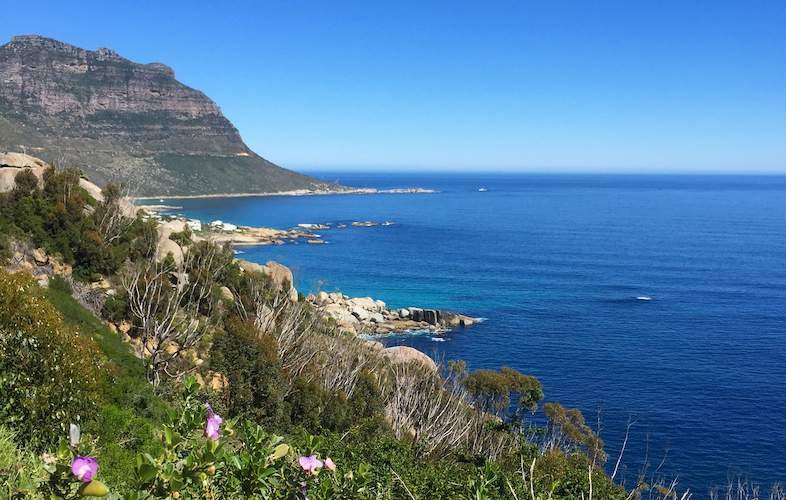
The geography of the area is dominated by mountains and the surrounding Atlantic and False Bay coastlines. The position of the peninsula gives visitors many different viewpoints. From elevated locations, travelers can often see the city, ocean, beaches, mountains, and distant landscapes at the same time.
The park’s proximity to Cape Town makes transportation relatively convenient compared with remote national parks. Visitors can reach many attractions by road, although some destinations require walking or hiking from designated access points.
The Famous Table Mountain
Table Mountain is the best-known feature of the park and one of South Africa’s most recognizable natural landmarks. Its distinctive flat summit creates a dramatic silhouette above Cape Town.
The mountain provides spectacular views in several directions. From suitable viewpoints, visitors can see Cape Town, Table Bay, Robben Island, Lion’s Head, Signal Hill, the Atlantic Ocean, and parts of the Cape Peninsula.
The summit is not simply a single viewpoint. It contains a network of paths and different scenic areas where visitors can discover rocky formations, plants, small animals, and changing landscapes.
Weather conditions can transform the mountain dramatically. Clear days provide extensive views, while clouds can gather around the summit and create the famous effect sometimes called the “tablecloth.” Strong winds and rapidly changing weather are common reasons visitors should prepare carefully before hiking.
History of the Area
The Cape Peninsula has a long human history. Indigenous communities lived in the wider region long before European settlement. The landscape provided natural resources, food, shelter, and important cultural connections.
European exploration and settlement later changed the region significantly. Cape Town became an important location for maritime trade, and the mountains and coastline became important landmarks for ships traveling around the southern tip of Africa.
Over time, increasing development around Cape Town created a need to protect the peninsula’s natural landscapes. Conservation became increasingly important because the region contains plant communities and ecosystems found nowhere else on Earth.
Today, the protected landscape serves both conservation and recreation purposes. The challenge is to allow millions of people to experience the natural environment while protecting sensitive habitats and wildlife.
Natural Beauty of the Park
One of the greatest attractions of Table Mountain National Park is the extraordinary variety of scenery. The landscape can include steep cliffs, sandstone formations, mountain valleys, rocky slopes, forests, beaches, grasslands, and ocean views.
In some locations, the landscape feels peaceful and remote even though Cape Town is nearby. This contrast between wilderness and urban life is one of the park’s most distinctive characteristics.
Sunrise and sunset can be particularly beautiful. Early morning light can create soft colors across the mountain, while evening sunlight can illuminate cliffs and the ocean. Photographers often visit elevated viewpoints to capture the changing colors of the peninsula.
Fynbos: The Park’s Botanical Treasure
Fynbos is one of the defining features of the Cape Peninsula. It is a highly diverse vegetation system adapted to the region’s climate and environmental conditions.
The Cape Floristic Region is globally recognized for its exceptional plant diversity. Many plant species found in the region have very limited natural ranges, making habitat protection extremely important.
Visitors may encounter proteas, ericas, restios, orchids, shrubs, and many other flowering plants. During the flowering season, some areas become especially colorful.
Fynbos plants have adapted to conditions such as nutrient-poor soils, seasonal rainfall, wind, and periodic fires. Fire is an important ecological process in many fynbos ecosystems. Some plants require fire-related conditions for regeneration, while others have specialized strategies for surviving or reproducing after fire.
Wildlife in Table Mountain National Park
Table Mountain National Park supports a variety of wildlife despite its location near a large city. The animals are often smaller and less dramatic than the famous big-game species found in South Africa’s savannas, but they are fascinating to observe.
Visitors may encounter baboons in some parts of the peninsula. These intelligent animals are wild and should never be approached or fed. Keeping food secured and maintaining a safe distance is essential.
Other animals associated with the area include small mammals, reptiles, insects, amphibians, and numerous bird species. The coastal environment also supports marine life, while offshore waters can provide opportunities to observe seabirds and marine mammals.
Birdlife
Birdwatching is another enjoyable activity in the park. The combination of mountain, coastal, forest, and shrubland habitats creates opportunities for observing many different species.
Birds may be seen flying over cliffs, moving through shrubs, or searching for food along coastal areas. Raptors and other birds of prey can sometimes be observed around mountainous landscapes.
Birdwatchers should carry binoculars and move quietly. Early morning is often an excellent time for bird observation because wildlife can be more active and temperatures may be comfortable.
Hiking in Table Mountain National Park
Hiking is one of the most popular ways to experience the park. There are trails suitable for different levels of fitness and experience, ranging from relatively gentle walks to challenging mountain routes.
Hikers should select trails according to their abilities, weather conditions, available daylight, and experience. Mountain environments can become dangerous when weather changes suddenly.
Before starting a hike, visitors should carry enough water, wear suitable footwear, protect themselves from the sun, and take a charged phone or another reliable means of communication.
It is also important to tell someone about your intended route when undertaking a longer or more challenging hike. Staying on recognized routes helps protect both visitors and the environment.
Platteklip Gorge
Platteklip Gorge is one of the best-known hiking routes toward the summit of Table Mountain. The route is steep and can be physically demanding, but it rewards hikers with impressive views as they climb.
The trail passes through rocky mountain terrain and provides a direct route toward the upper part of Table Mountain. Hikers should not underestimate the effort required, particularly during warm weather.
Resting regularly, drinking enough water, and beginning early can make the experience more comfortable. Weather conditions should always be checked before departure.
Table Mountain Cableway
Visitors who do not want to hike to the summit may use the Table Mountain Aerial Cableway when it is operating. The cableway provides a convenient way to reach the upper mountain and offers spectacular views during the journey.
At the top, visitors can explore designated paths and viewpoints. The cableway can be particularly useful for travelers with limited hiking ability or for those who want to combine the mountain with other attractions in the same day.
Weather can affect cableway operations. Strong winds, poor visibility, or other conditions may lead to temporary closures, so visitors should check current operating information before traveling.
Lion’s Head
Lion’s Head is another famous mountain feature near Table Mountain. Its distinctive shape and location make it one of the most popular hiking and photography destinations around Cape Town.
The trail provides beautiful views of the city, Table Mountain, the Atlantic coastline, and surrounding areas. The experience can be especially impressive around sunrise or sunset, although hiking in darkness requires additional preparation and caution.
Visitors should use appropriate equipment and avoid risky shortcuts. Mountain trails can contain steep sections and exposed areas.
Signal Hill and Surrounding Landscapes
Signal Hill is another prominent viewpoint in the Cape Town area. Although it is not identical to Table Mountain, the surrounding landscape forms part of the broader mountain environment that makes Cape Town so visually distinctive.
From elevated areas around the city, visitors can appreciate how mountains and ocean surround the urban landscape. This geographic setting is one of the main reasons Cape Town is considered one of the world’s most scenic cities.
Cape Point
Cape Point is one of the most famous destinations within the Cape Peninsula landscape. The area features dramatic cliffs, ocean views, rugged terrain, and a strong sense of wilderness.
The meeting of powerful ocean environments and rocky mountains creates spectacular scenery. Visitors can explore viewpoints and walking routes while learning about the maritime history of the region.
The area can become windy, so warm clothing and secure hats are useful even on days when Cape Town itself feels comfortable.
Cape of Good Hope
The Cape of Good Hope is another major attraction within the protected peninsula. It is surrounded by rugged coastline and rich natural vegetation.
The region has been associated with maritime exploration for centuries. Today, it is primarily appreciated for its scenery, biodiversity, hiking opportunities, and wildlife.
Visitors should remember that the Cape of Good Hope is not simply a photographic landmark. It is a living ecosystem with sensitive vegetation and wild animals. Staying on designated paths helps reduce environmental damage.
Boulders Beach
Boulders Beach is famous for its African penguin colony. The beach environment provides visitors with an opportunity to observe these fascinating birds from designated viewing areas.
African penguins face significant conservation challenges, making responsible tourism particularly important. Visitors should never chase, touch, feed, or disturb penguins.
The area combines beautiful beaches, granite boulders, clear water, and wildlife. It is one of the most memorable stops for visitors exploring the Cape Peninsula.
Beaches and Coastal Areas
Table Mountain National Park contains or borders numerous coastal environments. Some beaches are surrounded by mountains and rocky landscapes, creating spectacular natural settings.
The coastline can be very different from the mountain environment. Visitors may see seabirds, marine organisms, tide pools, rocky cliffs, and powerful waves.
Swimming conditions vary significantly. Cold water, currents, waves, rocks, and changing weather mean visitors should use designated swimming areas and follow local safety guidance.
Marine Environment
The natural environment of the Cape Peninsula extends beyond the land. The surrounding Atlantic and False Bay waters support diverse marine ecosystems.
Depending on the season and location, visitors may have opportunities to see whales, seals, seabirds, and other marine wildlife. Boat trips and coastal viewpoints can provide different perspectives on the area’s marine environment.
Marine conservation is important because coastal ecosystems face pressures from pollution, fishing, climate change, development, and human recreation.
Climate and Weather
The weather around Table Mountain can change quickly. A sunny morning in Cape Town does not necessarily mean that conditions on the mountain will remain comfortable.
Clouds can form rapidly around the summit. Wind can become strong, temperatures can drop, and visibility can decrease.
Hikers should therefore check weather forecasts before leaving and be prepared to change their plans. A safe mountain experience is more important than reaching a particular viewpoint.
Best Time to Visit
Table Mountain National Park can be visited throughout the year, but the best time depends on the activities a traveler wants to enjoy.
Spring can be especially attractive because many plants bloom and the landscapes become colorful. Summer often provides long daylight hours and generally favorable conditions for outdoor activities, although wind and heat can still occur.
Autumn can bring pleasant temperatures and beautiful light. Winter may bring more rain and cloud, but it can also produce dramatic scenery and fewer visitors on some days.
There is no single perfect season for everyone. Visitors should choose their travel dates according to hiking goals, weather preferences, and the attractions they want to see.
Photography Opportunities
Table Mountain National Park is an outstanding destination for photography. The combination of mountains, ocean, vegetation, wildlife, and city scenery creates countless photographic opportunities.
Landscape photographers can capture wide views from mountain summits. Wildlife photographers may focus on birds, baboons, penguins, and smaller animals. Macro photographers can explore the remarkable diversity of fynbos plants and insects.
Sunrise and sunset can create dramatic lighting conditions. However, photographers should never enter dangerous areas simply to obtain a photograph. Safety should always come before an image.
Family-Friendly Experiences
Families can enjoy many aspects of the park. Short walks, scenic viewpoints, beaches, wildlife observation, and cableway trips can be suitable for families depending on conditions and the ages of children.
Parents should keep children close to cliffs, rocky areas, roads, and wildlife. Children should also learn not to feed animals or remove plants, rocks, shells, or other natural objects.
A family visit can become an educational experience by discussing local plants, wildlife, geology, weather, and conservation.
Geology of Table Mountain
The geology of Table Mountain is an important part of its identity. The mountain is largely associated with distinctive sandstone formations that have been shaped by geological processes over very long periods.
Wind, rain, temperature changes, and erosion have gradually shaped the cliffs, valleys, caves, and rocky landscapes seen today.
The geological structure also influences vegetation because different rocks and soils create different growing conditions for plants.
Conservation Importance
Conservation is central to the importance of Table Mountain National Park. The Cape region contains exceptional biodiversity and many species with restricted geographic ranges.
Protecting habitats helps preserve plants, animals, soils, water systems, and ecological processes. The park also provides an important natural space for environmental education and scientific research.
Conservation is not only about protecting rare species. It also involves controlling invasive plants, managing fire, protecting habitats, maintaining trails, preventing erosion, and reducing the negative effects of excessive human activity.
Invasive Species
Invasive alien plants are an important conservation concern in the Cape region. Some introduced plants can spread rapidly and compete with native vegetation for water, sunlight, and nutrients.
Managing invasive species is a major part of protecting the natural ecosystem. Conservation teams and volunteers may work to remove invasive vegetation and restore native habitats.
Visitors can support this work by following park rules, staying on designated paths, and avoiding actions that could spread seeds or damage sensitive areas.
Fire and Fynbos Ecology
Fire is a natural part of many fynbos ecosystems. Some plants have evolved to survive or regenerate following fire, while others depend on particular fire conditions for reproduction.
However, fire can also become dangerous when it threatens people, infrastructure, or ecosystems under unsuitable conditions. Effective fire management is therefore an important part of conservation and public safety.
Visitors should never start unauthorized fires in protected areas. They should follow all park regulations and obey temporary restrictions during periods of high fire danger.
Responsible Tourism
Responsible tourism is essential for protecting Table Mountain National Park. Visitors should take all rubbish with them, avoid damaging vegetation, remain on designated trails, and respect wildlife.
Wild animals should never be fed. Feeding can change animal behavior and create dangerous encounters. Visitors should also avoid approaching animals for photographs.
Respecting other visitors is equally important. Keeping noise levels reasonable helps everyone enjoy the natural environment and reduces disturbance to wildlife.
Safety Tips
Mountain safety should always be taken seriously. Visitors should check weather conditions, choose appropriate trails, carry enough water, wear suitable shoes, and avoid hiking alone on difficult routes.
Mobile phone coverage may not be reliable everywhere. A charged phone is useful, but it should not be considered the only emergency resource.
Visitors should avoid unfamiliar shortcuts and should turn back if conditions become unsafe. It is much better to return another day than to take unnecessary risks.
What to Pack
- Comfortable hiking shoes
- Drinking water
- Sun protection
- Hat and sunglasses
- Light rain protection
- Warm layer for changing mountain weather
- Small first-aid kit
- Fully charged mobile phone
- Map or reliable navigation information
- Binoculars for wildlife and birds
- Camera
- Reusable water bottle
How Long Should You Spend in the Park?
A single day can introduce visitors to some of the park’s most famous attractions, but several days allow for a much deeper experience.
A short visit might focus on Table Mountain, a coastal attraction, and one or two viewpoints. A longer stay can include hiking, Cape Point, Cape of Good Hope, Boulders Beach, scenic drives, photography, and additional walking trails.
Travelers who enjoy hiking and nature photography may want several days because the weather can change and different locations offer completely different experiences.
Nearby Cape Town Attractions
One of the major advantages of visiting Table Mountain National Park is its proximity to Cape Town. Travelers can combine outdoor activities with museums, restaurants, historic areas, markets, galleries, and waterfront attractions.
The city provides accommodation options ranging from budget stays to luxury hotels. Visitors can use Cape Town as a base for exploring the peninsula and returning to the city after outdoor activities.
Accommodation
Accommodation choices are available in and around Cape Town and the Cape Peninsula. Travelers can select hotels, guesthouses, apartments, hostels, and other lodging depending on budget and preferred location.
Staying closer to the attractions can reduce travel time and make early-morning activities easier. However, visitors should always confirm current accommodation availability, access conditions, and park regulations before traveling.
Food and Water
Visitors should carry sufficient drinking water for hikes, especially during warm weather. Food should be packed securely and consumed only in suitable areas.
Because wildlife can be attracted to human food, visitors should never leave food unattended. Picnic areas and designated facilities should be used where available.
Public Transport and Access
Cape Town has various transportation options that can help visitors reach different parts of the peninsula. However, access differs by destination, and some trailheads are easier to reach by private vehicle or organized tour.
Travelers should plan transportation before beginning a hike. Returning after sunset can be especially challenging if public transport options are limited.
Why Table Mountain National Park Is Special
Table Mountain National Park is special because it combines several experiences that are rarely found so close together. Visitors can experience a world-famous mountain, a diverse botanical ecosystem, dramatic coastlines, beaches, wildlife, and cultural history within the same broad protected landscape.
The park demonstrates how nature can exist alongside a major modern city. It provides a place where people can escape busy urban environments without traveling far from Cape Town.
Its botanical diversity is equally remarkable. The Cape Floristic Region is one of the world’s most important areas for plant diversity, and Table Mountain National Park protects a significant part of this natural heritage.
Interesting Facts About Table Mountain National Park
- Table Mountain is one of Cape Town’s most recognizable landmarks.
- The park is located on the Cape Peninsula in South Africa’s Western Cape.
- The region is famous for fynbos vegetation.
- The park contains both mountain and coastal environments.
- Boulders Beach is famous for African penguins.
- Cape Point is one of the peninsula’s best-known scenic destinations.
- The weather on Table Mountain can change rapidly.
- The area provides habitat for many bird species and smaller mammals.
- Fynbos ecosystems are strongly influenced by natural fire cycles.
- The park provides important conservation and recreational opportunities.
Tips for First-Time Visitors
First-time visitors should avoid trying to see everything in a single rushed trip. The Cape Peninsula contains many destinations, and each deserves enough time to appreciate its landscape.
Start with the attractions that are most important to you. If mountain views are your priority, focus on Table Mountain and nearby viewpoints. If wildlife is more important, consider coastal areas and penguin viewing locations. If you enjoy hiking, select routes that match your experience.
Always check current weather and operational information before leaving. Mountain and coastal conditions can change quickly.
Environmental Etiquette
Protecting the park requires cooperation from every visitor. Do not pick flowers, disturb animals, carve names into rocks, leave rubbish, or create unauthorized paths.
Even apparently small actions can have long-term effects in sensitive environments. Staying on established trails helps prevent erosion and protects plants growing beside pathways.
Photography should also be responsible. A good photograph is never worth damaging a habitat or approaching a wild animal too closely.
Educational Value
Table Mountain National Park is an excellent outdoor classroom. Students and families can learn about geology, ecology, climate, biodiversity, conservation, marine environments, and human history.
Teachers and educational groups can use the landscape to explain how ecosystems develop and how human activity affects natural environments.
The park can also inspire interest in environmental science. Seeing rare plants and diverse habitats in person can make conservation issues much more meaningful than reading about them in a textbook.
Table Mountain and Cape Town’s Identity
Table Mountain is deeply connected with the identity of Cape Town. Its distinctive shape appears in photographs, artwork, tourism campaigns, and views throughout the city.
The mountain provides residents with recreational opportunities while also attracting visitors from around the world. It is both a natural landmark and a symbol of the city’s relationship with its surrounding environment.
The presence of such a large natural landscape next to a major urban area is one of Cape Town’s greatest geographical advantages.
A Perfect Destination for Nature Lovers
For nature lovers, Table Mountain National Park offers an impressive combination of experiences. A single trip can include mountain hiking, plant observation, birdwatching, coastal walks, wildlife photography, and scenic drives.
The park rewards slow exploration. Instead of simply visiting famous viewpoints, travelers can spend time observing the small details of fynbos, listening to birds, watching changing clouds, and studying the patterns of the landscape.
Conclusion
Table Mountain National Park is one of South Africa’s most remarkable natural destinations. Its dramatic mountains, extraordinary fynbos vegetation, rugged coastline, beaches, wildlife, and historic landscapes create an experience that is both beautiful and educational.
Table Mountain itself remains the park’s most famous landmark, offering unforgettable views across Cape Town and the surrounding ocean. Yet the wider protected area provides much more than a mountain viewpoint. From Cape Point and the Cape of Good Hope to coastal environments and penguin colonies, the peninsula offers a remarkable variety of attractions.
The park’s greatest importance, however, lies in conservation. The Cape region contains exceptional biodiversity, and protecting its native habitats is essential for future generations. Responsible visitors can help by following regulations, respecting wildlife, protecting vegetation, and leaving natural areas as they found them.
Whether you are interested in hiking, photography, wildlife, plants, geology, beaches, history, or simply spectacular scenery, Table Mountain National Park offers something memorable. Its combination of wilderness and city, mountain and ocean, plants and wildlife makes it a truly unique destination.
A visit to Table Mountain National Park is more than a sightseeing experience. It is an opportunity to experience one of the world’s remarkable natural landscapes and to understand why protecting these places matters. With careful planning, respect for nature, and enough time to explore, the park can become one of the highlights of any journey through South Africa.
Frequently Asked Questions
What is Table Mountain National Park famous for?
Table Mountain National Park is famous for Table Mountain, dramatic mountain scenery, fynbos biodiversity, Cape Point, the Cape of Good Hope, coastal landscapes, and wildlife.
Where is Table Mountain National Park located?
The park is located on the Cape Peninsula in South Africa’s Western Cape province, surrounding and extending south from Cape Town.
Can beginners hike in Table Mountain National Park?
Yes. The park has routes with different levels of difficulty, but beginners should select trails carefully and consider weather, fitness, daylight, and trail conditions.
Can I see wildlife in the park?
Yes. Visitors may encounter baboons, birds, reptiles, insects, and other wildlife. African penguins can also be observed at designated viewing areas around Boulders Beach.
Is Table Mountain safe to visit?
Table Mountain can be enjoyed safely when visitors follow park guidance, stay on appropriate trails, check weather conditions, carry enough water, and avoid unnecessary risks.
What should I bring for a hike?
Useful items include water, comfortable footwear, sun protection, a warm layer, rain protection, navigation information, a charged phone, and basic first-aid supplies.
When is the best time to visit Table Mountain National Park?
The park can be visited year-round. Spring is attractive for flowering plants, while summer often offers long daylight hours. Weather conditions should be checked regardless of season.
Can I visit Table Mountain without hiking?
Yes. When operating, the Table Mountain Aerial Cableway provides an alternative to hiking to the summit.
Why is fynbos important?
Fynbos is a highly diverse vegetation system associated with the Cape Floristic Region. It contains many specialized and locally restricted plant species.
How can visitors help protect the park?
Visitors can help by staying on designated paths, avoiding litter, never feeding wildlife, respecting plants and animals, following fire regulations, and following all park rules.
Final Thoughts
Table Mountain National Park represents the extraordinary natural character of the Cape Peninsula. Its landscapes show how mountains, forests, shrublands, beaches, cliffs, and oceans can exist together in one remarkable protected area. For travelers seeking beauty, adventure, education, and unforgettable views, it remains an outstanding destination in South Africa.