Zhangjiajie National Forest Park: A Complete Guide to China’s Extraordinary Stone Pillars
Introduction
Zhangjiajie National Forest Park is one of the most extraordinary natural destinations in China and one of the world’s most visually dramatic landscapes. Located in Hunan Province in central China, the park is famous for its towering sandstone pillars, deep valleys, mist-covered mountains, dense forests, waterfalls, streams, and spectacular viewpoints. The landscape looks so unusual that visitors sometimes feel as though they have entered another world.
The park is part of the larger Wulingyuan Scenic Area, a UNESCO World Heritage Site recognized for its exceptional natural beauty and geological importance. Thousands of tall rock formations rise dramatically from the green landscape, creating a scenery unlike most mountain destinations around the world.
Zhangjiajie has become internationally famous for its spectacular mountain scenery. Its unique landscape has attracted photographers, hikers, nature lovers, filmmakers, and travelers looking for an unforgettable experience. The combination of massive stone pillars and lush vegetation creates a landscape that changes dramatically with weather and season. On a clear day, the mountains appear sharp and enormous, while clouds and mist can transform them into mysterious floating peaks.
This article explores the history, geography, geology, natural environment, major attractions, wildlife, hiking opportunities, seasons, travel planning, photography tips, and practical considerations for visiting Zhangjiajie National Forest Park.
Where Is Zhangjiajie National Forest Park?
Zhangjiajie National Forest Park is located in Hunan Province, China, near Zhangjiajie City. It forms an important part of the Wulingyuan Scenic Area, which covers a much larger region of mountains, valleys, forests, caves, streams, and other natural attractions.
The park is situated in a mountainous region characterized by dramatic sandstone formations. Its location gives it a humid subtropical environment, allowing forests and other vegetation to grow abundantly around the rocky landscape.
The surrounding Zhangjiajie region contains several famous attractions, including:
- Zhangjiajie National Forest Park
- Yuanjiajie
- Tianzi Mountain
- Yangjiajie
- Golden Whip Stream
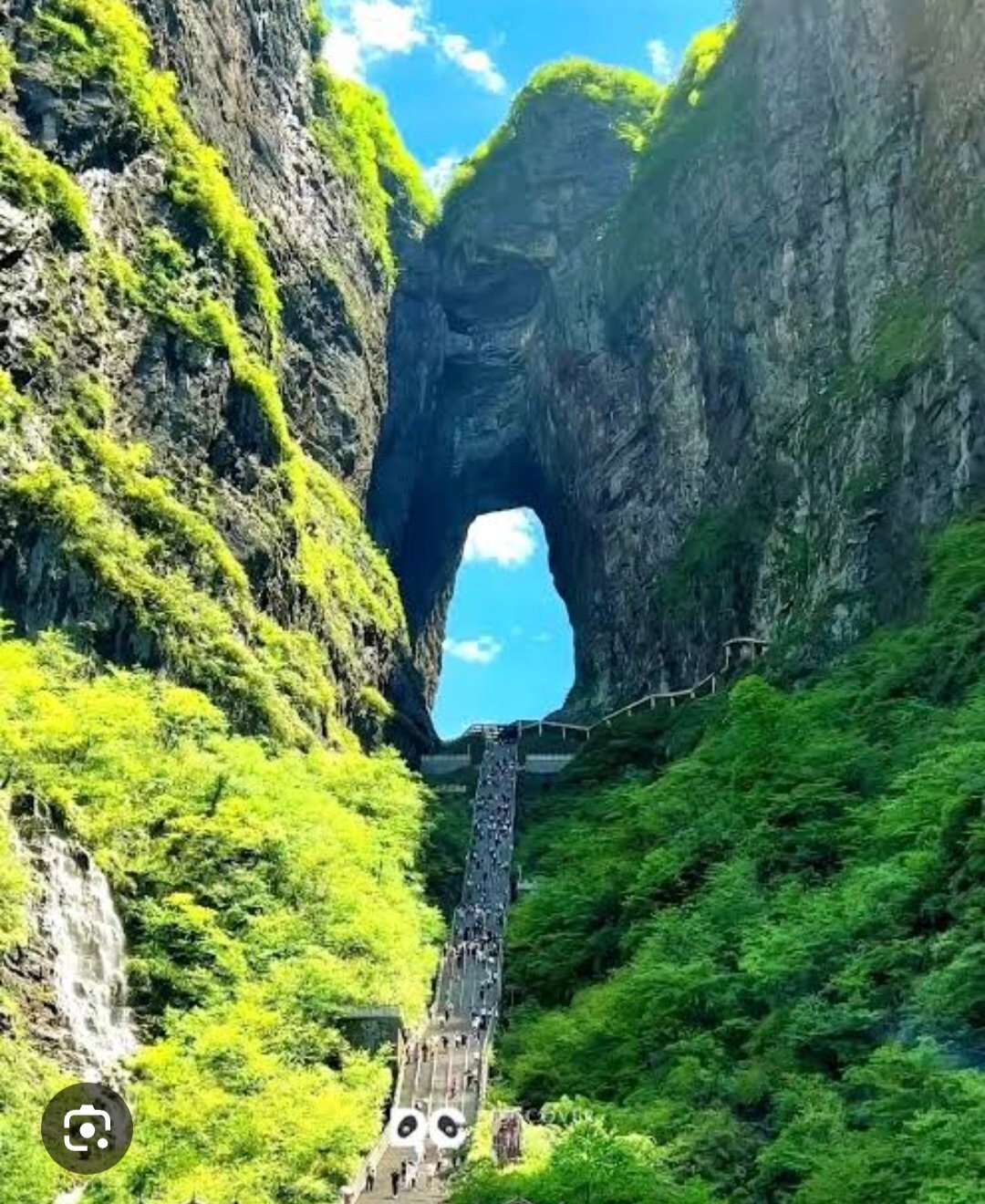
- Tianmen Mountain
- Baofeng Lake
- Zhangjiajie Grand Canyon
Although these attractions are often discussed together by travelers, they are not all located inside Zhangjiajie National Forest Park itself. Understanding the difference is important when planning a trip.
The History of Zhangjiajie National Forest Park
Zhangjiajie’s natural landscape existed for millions of years before humans began documenting it, but the region has a long cultural and local history.
For generations, local communities lived among the mountains and forests. The area’s difficult terrain helped preserve many natural landscapes and created isolated environments where traditional lifestyles and local cultures developed.
A major turning point came in the modern period when the natural importance of the region became increasingly recognized. Zhangjiajie National Forest Park was established in 1982, becoming China’s first officially designated national forest park.
This designation helped transform the area from a relatively remote mountainous region into a major nature-tourism destination.
Over the following decades, infrastructure improved. Roads, trails, cableways, elevators, shuttle systems, viewing platforms, and visitor facilities made it easier for travelers to explore the mountains.
The broader Wulingyuan Scenic Area received UNESCO World Heritage recognition in 1992, helping establish Zhangjiajie as an internationally important natural destination.
Tourism increased significantly after the area’s dramatic landscapes began receiving greater international attention. Today, Zhangjiajie is one of China’s best-known destinations for mountain scenery.
Why Is Zhangjiajie National Forest Park So Famous?
The most important reason is its unusual landscape.
Many mountain destinations are famous for high peaks, glaciers, volcanoes, or rugged cliffs. Zhangjiajie is different. Its landscape is dominated by thousands of narrow sandstone pillars that rise vertically from forested valleys.
Some formations are isolated, while others stand close together in enormous groups. From elevated viewpoints, the pillars appear to form a vast stone forest.
The combination of:
- Tall sandstone columns
- Green forests
- Deep valleys
- Waterfalls
- Clouds and mist
- Changing sunlight
- Narrow mountain paths
- Dramatic cliffs
creates an unforgettable visual experience.
The landscape is especially beautiful when clouds move through the valleys. The peaks may appear and disappear behind the mist, producing an almost dreamlike atmosphere.
The Geology Behind the Stone Pillars
The rock formations of Zhangjiajie are the result of a very long geological history.
The region contains thick layers of sandstone that were gradually shaped by natural forces. Over immense periods of time, weathering, erosion, water, temperature changes, and geological processes removed weaker materials and left stronger rock structures standing.
The result is a landscape of vertical cliffs, narrow ridges, pillars, ravines, and isolated peaks.
The stone columns can look almost too perfectly shaped to be natural. Some formations are extremely narrow compared with their height, while others form large blocks and ridges.
Water has played an especially important role in shaping the landscape. Rainwater enters cracks in the rock and gradually widens them. Streams and rivers erode valleys, while weathering affects exposed surfaces.
Over millions of years, these processes have transformed the original landscape into the dramatic mountain scenery visible today.
The Forests of Zhangjiajie
Although the stone pillars are the park’s most famous feature, its forests are equally important.
Large areas of the mountains are covered by trees, shrubs, vines, mosses, and other vegetation. Green forests contrast strongly with the pale and reddish tones of the sandstone cliffs.
The forest ecosystem also helps stabilize the mountain environment. Vegetation protects soil, provides habitat for animals, and contributes to the area’s water cycle.
The appearance of the forest changes throughout the year.
In spring, fresh green leaves and flowers bring a sense of renewal. Summer produces thick, vibrant vegetation. Autumn introduces different shades of yellow, orange, and brown, while winter can create a quieter and more atmospheric landscape.
Major Attractions in Zhangjiajie National Forest Park
1. Yuanjiajie
Yuanjiajie is one of the most famous areas associated with Zhangjiajie.
It is known for spectacular sandstone pillars, dramatic cliffs, and elevated viewpoints. From some viewpoints, visitors can look across a huge collection of stone formations stretching into the distance.
One of the best-known formations in this area is the Southern Sky Column, also widely known as the Avatar Hallelujah Mountain.
The landscape here has become particularly famous among international visitors because of its resemblance to the floating mountains depicted in the movie Avatar. Although the connection has sometimes been exaggerated in tourism descriptions, the visual similarities helped introduce Zhangjiajie’s scenery to a much wider global audience.
Yuanjiajie is often included in first-time visitors’ itineraries because it provides some of the most impressive panoramic views in the park.
2. Southern Sky Column
The Southern Sky Column is one of Zhangjiajie’s most recognizable rock formations.
The pillar rises dramatically above the surrounding landscape and appears especially impressive when viewed from nearby platforms.
Its unusual shape demonstrates how erosion can create extraordinary natural structures.
The formation became internationally famous after Zhangjiajie tourism authorities promoted its resemblance to the fictional floating mountains of Avatar. The connection increased international interest in the region.
For photographers, the pillar is especially attractive when surrounded by mist or low clouds.
3. Bailong Elevator
The Bailong Elevator is one of the most unusual transportation features in the Zhangjiajie region.
Built along a massive cliff face, the elevator carries visitors vertically between lower and higher sections of the mountain landscape.
Its engineering is remarkable because of the enormous vertical cliffs surrounding it.
The elevator has become an attraction in its own right because passengers can experience dramatic views during the journey.
For travelers who want to save energy for exploring the upper mountain areas, transportation systems such as the Bailong Elevator can be extremely useful.
4. Golden Whip Stream
Golden Whip Stream is one of the most beautiful walking areas associated with Zhangjiajie National Forest Park.
Unlike the high mountain viewpoints, the trail here runs through a valley alongside a clear stream.
Visitors can walk beneath towering sandstone cliffs while surrounded by dense vegetation.
The environment is peaceful and cooler than many exposed viewpoints. Water flows between rocks, while trees create shade along sections of the trail.
Golden Whip Stream is an excellent choice for travelers who want to experience the landscape from the valley floor rather than only from high observation platforms.
The contrast between the narrow stream and giant cliffs makes the walk particularly impressive.
5. Tianzi Mountain
Tianzi Mountain is another major scenic area within the broader Wulingyuan landscape.
It is famous for large numbers of sandstone peaks arranged across a vast mountainous panorama.
The viewpoints can provide spectacular views of:
- Mountain ridges
- Stone pillars
- Deep valleys
- Forests
- Clouds
- Mist
Tianzi Mountain is particularly beautiful during cloudy weather when the peaks appear to rise through a sea of mist.
The name “Tianzi” is associated with local historical and cultural traditions, adding a cultural dimension to the natural landscape.
6. Yangjiajie
Yangjiajie is known for rugged scenery and dramatic mountain formations.
Compared with some of the more developed areas, parts of Yangjiajie can feel more adventurous.
The area contains steep paths, cliffs, narrow ridges, and unusual rock formations.
One famous formation is often called the Natural Great Wall, because a long line of mountain ridges resembles a wall when viewed from certain perspectives.
Yangjiajie is particularly appealing to visitors who enjoy hiking and want to experience less conventional mountain scenery.
The Influence of Avatar
One of the most frequently discussed aspects of Zhangjiajie is its connection with the movie Avatar.
The film’s fictional world contains enormous floating mountains surrounded by clouds and forests. Zhangjiajie’s landscape shares some visual characteristics with those imaginary mountains.
After the film became internationally successful, tourism interest in Zhangjiajie increased.
A particular rock formation was promoted as the inspiration for the fictional Hallelujah Mountains. This helped turn the area into a popular destination for international movie fans.
However, it is important to understand that Zhangjiajie’s mountains are naturally formed geological structures, not floating mountains. The movie’s landscapes were created through a combination of digital effects and artistic design.
Still, the resemblance is striking, and the movie connection has become an important part of Zhangjiajie’s modern tourism identity.
Wildlife in Zhangjiajie
Zhangjiajie National Forest Park provides habitat for a variety of wildlife.
The mountainous forest environment supports birds, insects, reptiles, amphibians, and mammals.
Visitors may encounter:
- Various bird species
- Monkeys
- Butterflies
- Small mammals
- Reptiles
- Amphibians
- Numerous insects
Wildlife sightings are never guaranteed. Animals often avoid crowded tourist areas and remain hidden within the forest.
The park’s diverse plant life also provides food and shelter for many species.
Visitors should avoid feeding animals. Human food can change natural behavior and may harm wildlife.
Plants and Biodiversity
The biodiversity of Zhangjiajie is one of the reasons the region has such ecological importance.
The humid climate supports many species of trees, shrubs, ferns, mosses, flowers, and climbing plants.
Some areas have particularly dense vegetation, while exposed cliffs support specialized plants adapted to difficult conditions.
The combination of vertical rock surfaces and forested valleys creates many different microhabitats.
For nature enthusiasts, Zhangjiajie offers more than spectacular views. It provides an opportunity to observe how plants and animals adapt to a complex mountainous environment.
Hiking in Zhangjiajie National Forest Park
Hiking is one of the best ways to appreciate Zhangjiajie’s landscape.
Although transportation systems can take visitors to many major viewpoints, walking allows travelers to experience the forest more slowly.
Popular walking experiences include trails around:
- Golden Whip Stream
- Yuanjiajie
- Yangjiajie
- Tianzi Mountain
Some paths are relatively easy, while others involve steep stairs and long climbs.
Visitors should choose trails according to their physical condition.
It is also important to wear comfortable shoes because mountain paths may include:
- Stone steps
- Sloping surfaces
- Wet areas
- Uneven ground
- Long stairways
After rain, some paths can become slippery.
Photography in Zhangjiajie
Zhangjiajie is a dream destination for photographers.
The landscape provides countless opportunities for wide-angle mountain photography.
Early morning is often particularly beautiful. Mist may cover the valleys, creating layers of mountains and giving photographs a sense of depth.
Cloudy weather can be just as interesting as bright sunshine. Instead of reducing visibility completely, mist can partially hide the mountains and create a mysterious atmosphere.
Useful photography subjects include:
- Stone pillars
- Mountain valleys
- Forest trails
- Waterfalls
- Clouds
- Sunrise
- Sunset
- Traditional architecture nearby
- Visitors against the landscape
A wide-angle lens is useful for capturing large mountain panoramas, while a telephoto lens can isolate individual peaks.
Best Time to Visit Zhangjiajie
Zhangjiajie can be visited throughout the year, but different seasons offer different experiences.
Spring
Spring is a beautiful time to visit.
Temperatures become comfortable, forests become greener, and flowers begin to appear.
Rain can occur, which means visitors should be prepared for wet conditions.
The advantage of spring rain is that it can produce mist around the mountains, creating spectacular scenery.
Summer
Summer brings warm temperatures and dense green vegetation.
This is one of the busiest periods, particularly during holidays.
The forests are vibrant, but humidity can be high.
Rainstorms are also possible.
Visitors planning a summer trip should carry water, sun protection, and rain gear.
Autumn
Autumn is often considered one of the most pleasant seasons for visiting.
Temperatures are generally comfortable, while the landscape may develop beautiful seasonal colors.
Clear days can provide excellent mountain views.
Because autumn weather can be favorable, popular areas may still be crowded.
Winter
Winter offers a completely different atmosphere.
Cold weather can create mist, frost, and occasionally snowy mountain scenery.
Crowds may be smaller compared with peak periods.
However, some mountain conditions can make walking more difficult, so travelers should prepare appropriately.
Zhangjiajie in Mist and Clouds
One of the most magical features of the park is its mist.
When clouds move through the valleys, the mountains can appear to float above a white sea.
Individual peaks may disappear and reappear as the mist changes.
This is one reason Zhangjiajie photographs often look surreal.
Mist is especially common after rainfall and during certain seasonal weather conditions.
Although visitors sometimes prefer clear skies for maximum visibility, experienced photographers often appreciate cloudy conditions because they add atmosphere and depth.
Visiting Zhangjiajie With Family
Zhangjiajie can be an exciting destination for families, but planning is important.
Children may enjoy the unusual mountains, cableways, elevators, forests, and viewpoints.
However, some walking routes include many stairs and steep sections.
Families should consider:
- Children’s walking ability
- Weather
- Crowds
- Rest opportunities
- Water and snacks
- Appropriate footwear
Families with young children may prefer transportation-assisted sightseeing rather than attempting long hiking routes.
Zhangjiajie for Adventure Travelers
Adventure travelers can find plenty to enjoy in the region.
Longer hikes, steep trails, mountain viewpoints, and rugged landscapes create opportunities for exploration.
The combination of high cliffs and deep valleys can make certain routes feel exciting.
However, visitors should remember that this is a natural mountainous environment.
Safety should always come before photography or adventure.
Travelers should stay on designated paths and follow local instructions, especially near cliffs.
Food and Local Culture
A visit to Zhangjiajie is also an opportunity to experience Hunan cuisine.
Hunan food is widely known for strong flavors and spicy dishes.
Local restaurants may serve:
- Rice dishes
- Noodles
- Fresh vegetables
- Meat dishes
- Tofu
- Spicy soups
- Local snacks
Travelers who do not eat spicy food should communicate their preferences clearly when ordering.
The broader region is also home to ethnic communities with distinctive cultural traditions, crafts, clothing, music, and festivals.
Exploring local culture can add another dimension to a trip beyond the natural scenery.
Accommodation Around Zhangjiajie
Visitors have several accommodation options depending on their itinerary.
Some travelers choose to stay near Zhangjiajie City, while others prefer accommodation closer to the scenic area.
Staying near the park can reduce travel time and make early morning visits easier.
When choosing accommodation, consider:
- Distance from park entrances
- Transport availability
- Restaurant options
- Room facilities
- Reviews
- Seasonal prices
During major Chinese holidays, accommodation can become significantly busier, so advance planning is recommended.
How to Reach Zhangjiajie
Zhangjiajie can be reached through air, rail, and road connections.
The region has an airport serving travelers arriving from various Chinese destinations.
Rail connections also make the city accessible from other parts of China.
Once visitors arrive in the Zhangjiajie area, local transportation can be used to reach different scenic attractions.
Because the scenic area is large, visitors should plan transportation rather than assuming every attraction is within walking distance.
How Many Days Do You Need?
A short trip can provide a taste of Zhangjiajie, but a longer stay allows visitors to explore more comfortably.
One Day
A one-day trip is possible but rushed.
Visitors would need to concentrate on a small number of major viewpoints.
Two Days
Two days can provide a better introduction.
Travelers may explore major mountain areas on one day and enjoy a valley walk or another scenic area on the second.
Three to Four Days
Three or four days allow a much more relaxed experience.
This provides time for:
- Major viewpoints
- Hiking
- Yuanjiajie
- Tianzi Mountain
- Golden Whip Stream
- Yangjiajie
- Nearby attractions
Visitors interested in photography may benefit from even more time because weather conditions can change quickly.
A Sample Zhangjiajie Itinerary
Day 1: Main Mountain Scenery
Begin with the major mountain viewpoints.
Explore Yuanjiajie and surrounding formations.
Spend time at elevated viewing platforms and photograph the stone pillars.
Day 2: Golden Whip Stream
Spend the day exploring the valley and stream environment.
The walking experience is very different from the high mountain viewpoints.
Day 3: Tianzi Mountain and Yangjiajie
Explore additional panoramic viewpoints and rugged mountain landscapes.
If energy allows, include a longer hike.
Day 4: Nearby Attractions
Use the final day to explore another attraction in the wider Zhangjiajie region, depending on your interests and travel schedule.
What to Pack for Zhangjiajie
A good packing list can make a mountain trip much easier.
Consider bringing:
- Comfortable hiking shoes
- Lightweight clothing
- Rain jacket
- Small backpack
- Drinking water
- Snacks
- Sunscreen
- Hat
- Camera
- Power bank
- Basic first-aid supplies
- Personal medications
- Extra clothing
Weather can change quickly in the mountains, so a lightweight rain jacket is especially useful.
Safety Tips
Zhangjiajie is a major tourist destination with developed infrastructure, but visitors should still treat the mountains seriously.
Stay on Marked Paths
Do not climb over safety barriers or enter restricted areas for photographs.
Watch Your Step
Mountain paths can become slippery after rain.
Stay Hydrated
Long walks and stairs can be tiring, particularly during warm weather.
Check Weather Conditions
Weather can change rapidly in mountainous areas.
Protect Your Belongings
Crowded tourist areas require normal precautions with phones, cameras, wallets, and passports.
Do Not Feed Wildlife
Wild animals should remain independent of human food.
Zhangjiajie and Sustainable Tourism
As tourism has grown, protecting Zhangjiajie’s environment has become increasingly important.
Large numbers of visitors can create pressure on:
- Forests
- Trails
- Wildlife
- Water resources
- Waste management
- Mountain vegetation
Responsible tourism can help reduce these impacts.
Visitors should:
- Carry waste to appropriate disposal points
- Avoid damaging plants
- Stay on trails
- Avoid disturbing animals
- Follow park rules
- Respect local communities
The long-term value of Zhangjiajie depends on preserving its natural environment.
Why Zhangjiajie Is Important for Nature Lovers
Zhangjiajie demonstrates how geology, climate, water, forests, and wildlife can interact to create an extraordinary landscape.
For nature lovers, the park offers several experiences at once.
You can stand beside a clear stream in a forested valley, then travel upward to a viewpoint overlooking hundreds of sandstone pillars.
You can watch clouds move between peaks, hear birds in the forest, and observe vegetation growing along cliffs.
The diversity of scenery makes every part of the journey different.
Zhangjiajie for Photographers
Photographers should be prepared to spend more time than ordinary tourists.
The best photograph may depend on weather rather than a fixed schedule.
A clear morning might provide sharp mountain details, while an afternoon storm may create dramatic clouds.
Mist can transform familiar viewpoints into completely different scenes.
Photographers should consider returning to the same viewpoint at different times of day.
Morning, midday, and evening light can produce completely different results.
The Spiritual and Emotional Experience of Zhangjiajie
Beyond its physical beauty, Zhangjiajie can create a strong emotional response.
Standing among giant stone pillars can make visitors feel very small compared with the natural world.
The quiet valleys and distant mountains encourage reflection.
Traditional Chinese landscape art has long emphasized the relationship between humans and mountains. Zhangjiajie’s scenery naturally evokes this idea.
The mountains are not simply objects to photograph. They create an environment that encourages people to slow down and observe.
Zhangjiajie Compared With Other Mountain Destinations
Zhangjiajie is different from destinations such as the Swiss Alps, Himalayas, or Rocky Mountains.
The Himalayas are famous for enormous high-altitude peaks.
The Swiss Alps are known for dramatic alpine valleys and snow-covered mountains.
The Rockies combine forests, lakes, and rugged peaks.
Zhangjiajie is distinctive because of its dense concentration of vertical sandstone pillars.
Its mountains are not famous because they are among the world’s tallest. Instead, their unusual shapes and arrangement make them visually extraordinary.
Common Mistakes Visitors Should Avoid
One common mistake is trying to see everything in a single day.
The scenic area is large, and moving between attractions takes time.
Another mistake is wearing uncomfortable shoes.
A third mistake is visiting without checking the weather.
Visitors may also underestimate the number of stairs involved in mountain sightseeing.
Finally, travelers should avoid planning every minute of their trip. Some of Zhangjiajie’s most memorable moments come from simply stopping at a viewpoint and watching the clouds move through the mountains.
Frequently Asked Questions
What is Zhangjiajie National Forest Park famous for?
It is famous for its spectacular sandstone pillars, deep valleys, forests, cliffs, misty mountains, and panoramic viewpoints.
Where is Zhangjiajie National Forest Park?
It is located in Hunan Province in central China, near Zhangjiajie City.
Is Zhangjiajie a UNESCO World Heritage Site?
The broader Wulingyuan Scenic Area, which includes Zhangjiajie National Forest Park, was designated a UNESCO World Heritage Site in 1992.
Is Zhangjiajie connected to Avatar?
Zhangjiajie’s unusual mountains became internationally associated with the floating mountains shown in Avatar. Tourism campaigns promoted similarities between the movie scenery and local landscapes.
How many days are enough for Zhangjiajie?
Two to four days can provide a good experience, while longer stays are better for travelers who want extensive hiking and photography.
Is Zhangjiajie good for hiking?
Yes. The park has numerous walking trails ranging from relatively easy valley walks to steep mountain routes.
Can children visit Zhangjiajie?
Yes, but families should consider the amount of walking and stairs involved and choose routes according to the children’s age and physical ability.
What is the best season to visit?
Spring and autumn are generally comfortable seasons, while summer offers lush green scenery and winter can provide a quieter, atmospheric experience.
Is Zhangjiajie suitable for photographers?
Absolutely. The stone pillars, mist, forests, cliffs, and changing light provide exceptional photography opportunities.
Is Zhangjiajie difficult to explore?
Some areas are easy to access because of elevators, cableways, shuttle buses, and developed paths. However, many routes still involve substantial walking and stairs.
Conclusion
Zhangjiajie National Forest Park is one of China’s most remarkable natural landscapes. Its towering sandstone pillars, deep valleys, green forests, streams, cliffs, and mist create scenery that is difficult to compare with anywhere else in the world.
The park is more than a collection of beautiful viewpoints. It represents millions of years of geological change and supports a rich mountain ecosystem. Its forests provide habitat for wildlife, while its valleys and streams create a diverse natural environment.
For travelers, Zhangjiajie offers many different experiences. Hikers can explore forest trails and mountain paths. Photographers can capture dramatic peaks and clouds. Families can enjoy accessible viewpoints and scenic transportation. Nature lovers can appreciate the area’s biodiversity, while cultural travelers can explore the traditions of the surrounding region.
The landscapes of Yuanjiajie, Tianzi Mountain, Yangjiajie, and Golden Whip Stream each offer a different perspective on the area’s extraordinary geology.
Perhaps the greatest attraction of Zhangjiajie is its ability to make visitors pause and look. When mist moves between the sandstone pillars and forests cover the valleys below, the landscape can seem almost unreal.
For anyone interested in mountains, nature, photography, geology, or unforgettable travel experiences, Zhangjiajie National Forest Park deserves a place on the list of the world’s most beautiful natural destinations.