Fiordland National Park
Fiordland National Park: A Complete Guide to New Zealand’s Spectacular Wilderness
Fiordland National Park is one of the most extraordinary natural landscapes in New Zealand and one of the most remarkable wilderness areas in the world. Located in the southwestern corner of New Zealand’s South Island, the park is famous for its dramatic fiords, towering mountains, ancient rainforests, deep valleys, waterfalls, alpine lakes, and remarkable wildlife. Covering a vast area of rugged terrain, Fiordland offers visitors an opportunity to experience nature on an enormous scale.
From the internationally famous Milford Sound to the remote beauty of Doubtful Sound, Fiordland combines mountains and water in a landscape that looks almost unreal. The region receives abundant rainfall, creating countless waterfalls and feeding rivers, streams, and lakes throughout the park. Its isolation has also helped protect many native plants and animals, including several species that are unique to New Zealand.
Introduction to Fiordland National Park
Fiordland National Park is the largest national park in New Zealand and forms a major part of the Te Wāhipounamu – South West New Zealand World Heritage Area. It is located in the southwest of the South Island, with the town of Te Anau serving as one of the most important gateways to the region.
The park is characterized by an extraordinary combination of mountains, glaciers, deep fiords, temperate rainforest, wetlands, rivers, and alpine environments. Much of Fiordland is difficult to access, which has allowed large areas of wilderness to remain relatively untouched. Visitors can explore parts of the park by road, boat, aircraft, hiking trail, or guided expedition, while enormous remote areas remain accessible only to experienced adventurers.
The name Fiordland reflects one of the park’s defining geographical features: its fiords. These long, narrow sea inlets were carved by glaciers over many thousands of years. When the glaciers retreated, seawater entered the deep valleys, producing the spectacular waterways that are now among New Zealand’s most famous natural attractions.
Where Is Fiordland National Park?
Fiordland National Park is situated in the southwestern part of New Zealand’s South Island. It occupies a huge area between the Southern Alps and the Tasman Sea. The nearest major visitor center is generally considered to be Te Anau, which lies on the eastern side of the park.
Queenstown is another important starting point for travelers visiting Fiordland. Many visitors travel from Queenstown to Te Anau and then continue toward Milford Sound. The journey itself is an attraction because the Milford Road passes through mountains, forests, valleys, rivers, and alpine scenery.
The remote location of Fiordland contributes greatly to its character. Unlike highly developed tourist destinations, large portions of the park have few roads, buildings, or permanent facilities. This creates an exceptional sense of wilderness.
The History of Fiordland National Park
The history of Fiordland stretches back thousands of years. Māori communities explored the region long before European settlement. They traveled through valleys and along waterways, using the natural resources of the area and developing knowledge of the difficult landscape.
The rugged terrain made Fiordland challenging for permanent settlement. The mountains, dense forests, heavy rainfall, and deep waterways created natural barriers. Nevertheless, Māori travelers developed routes through the region and used coastal and inland areas for food gathering and travel.
European explorers began visiting Fiordland during the nineteenth century. Early exploration was difficult because of the region’s remote geography and unpredictable weather. Surveyors, naturalists, and adventurers gradually documented its mountains, rivers, lakes, and fiords.
Tourism increased as transportation improved. Milford Sound became particularly famous for its spectacular scenery, while the development of roads and walking tracks made parts of the wilderness more accessible.
Fiordland National Park was established in 1952. It later became part of the much larger Te Wāhipounamu World Heritage Area, recognizing the outstanding natural values of southwest New Zealand.
Why Fiordland National Park Is Famous
Fiordland is famous for many reasons, but its dramatic scenery is the most important. Huge mountains rise directly from deep, dark waterways, while waterfalls descend from cliffs and rainforest covers lower slopes.
The park is also famous for Milford Sound, which is often considered one of New Zealand’s most spectacular natural attractions. Doubtful Sound provides a quieter and more remote alternative, while Dusky Sound offers an even greater sense of isolation.
Fiordland is also important because of its biodiversity. The park protects large areas of native forest and provides habitat for threatened and vulnerable wildlife.
Another reason for its international importance is its geological history. Glaciers have shaped the landscape for thousands of years, creating deep valleys, sharp peaks, hanging valleys, and spectacular waterways.
Milford Sound
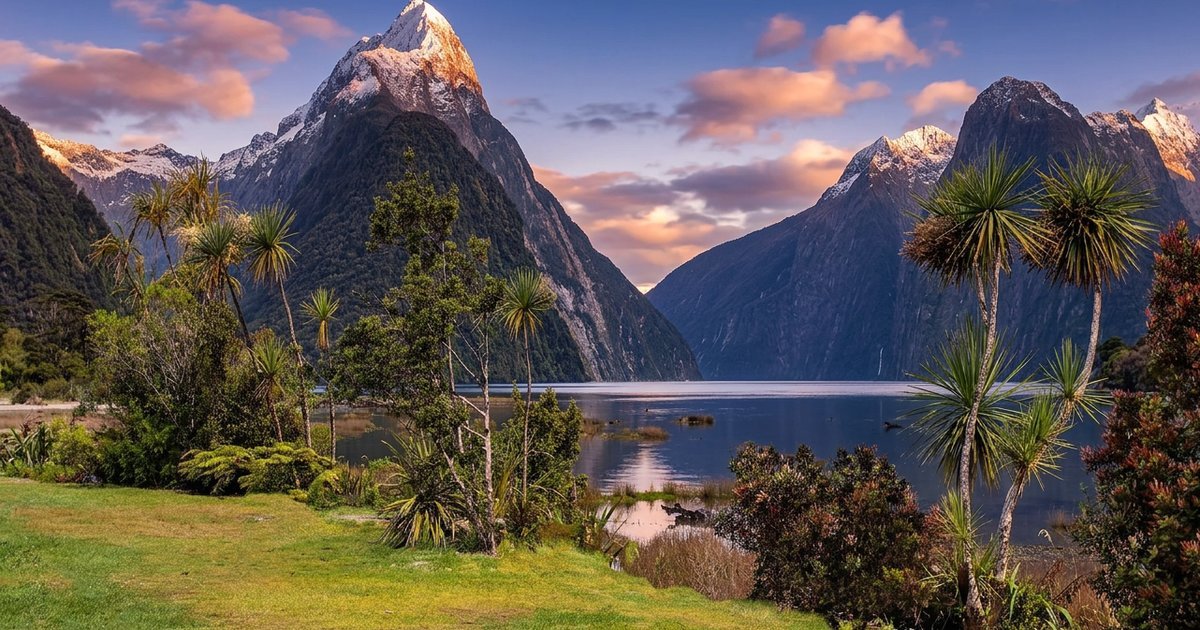
Milford Sound is the most famous destination within Fiordland National Park. Despite its name, Milford Sound is actually a fiord, created by glacial activity. It extends inland from the Tasman Sea and is surrounded by steep mountains.
One of the most recognizable landmarks is Mitre Peak, which rises dramatically beside the water. Its distinctive shape has become an iconic symbol of Fiordland and New Zealand.
Milford Sound is especially spectacular during and immediately after rainfall. Fiordland receives enormous amounts of rain, and temporary waterfalls can appear along the cliffs. Permanent waterfalls, including Stirling Falls and Lady Bowen Falls, are among the best-known features of the fiord.
Boat cruises are one of the most popular ways to experience Milford Sound. From the water, visitors can see cliffs, waterfalls, rainforest, mountains, and wildlife from a unique perspective.
Doubtful Sound
Doubtful Sound is another spectacular fiord in Fiordland. It is considerably larger and generally quieter than Milford Sound, making it attractive to travelers seeking a more peaceful wilderness experience.
Access to Doubtful Sound is more complicated because there is no public road directly to the fiord. Visitors commonly travel across Lake Manapouri and then cross the Wilmot Pass by road before reaching the waterway.
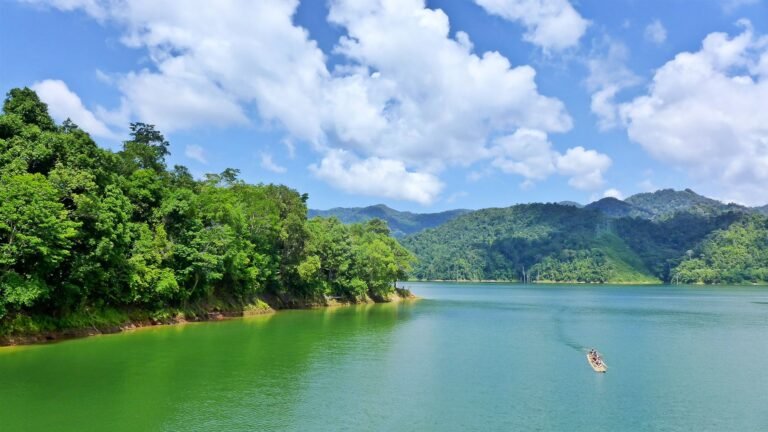
The journey itself is part of the experience. Lake Manapouri is surrounded by mountains and forest, and the road through the mountains provides impressive views of the remote landscape.
Once on Doubtful Sound, visitors can take boat cruises or longer wilderness excursions. The area is known for its quiet atmosphere, steep mountains, dense rainforest, and marine wildlife.
Dusky Sound
Dusky Sound is one of the most remote and historically significant areas of Fiordland. It contains a complex network of islands, waterways, forests, and mountains.
Because access is difficult, Dusky Sound receives far fewer visitors than Milford Sound. This makes it particularly appealing to experienced adventurers and travelers interested in remote wilderness.
The region has important historical connections with early European exploration. Captain James Cook visited the area during his voyages in the eighteenth century.
Today, Dusky Sound remains an extraordinary example of New Zealand’s wild southern landscape.
The Mountains of Fiordland
Mountains dominate the landscape of Fiordland National Park. Many peaks rise sharply from valleys and fiords, creating dramatic scenery.
The mountains were shaped by geological forces and glaciers. Their steep walls, ridges, and valleys demonstrate the enormous power of ice over geological time.
Alpine areas can be covered by snow for significant portions of the year. Weather can change quickly, and clouds often gather around the peaks. This constantly changing environment gives Fiordland a distinctive atmosphere.
Glaciers and Glacial Landscapes
Glaciers played a fundamental role in creating Fiordland’s modern landscape. During past ice ages, enormous quantities of moving ice covered the region.
As glaciers moved through mountain valleys, they gradually carved them deeper and wider. Some valleys eventually became so deep that, after the glaciers retreated, seawater entered them and created fiords.
The landscape still contains evidence of this glacial history. U-shaped valleys, hanging valleys, steep cliffs, polished rock surfaces, and alpine lakes can all be found throughout the region.
The Rainforests of Fiordland
Fiordland receives exceptionally high rainfall, particularly on the western side. This wet climate supports dense temperate rainforest.
The forests contain a variety of native trees, ferns, mosses, lichens, and other plants. Tree trunks and branches can become covered with moss, creating a green and ancient-looking environment.
Walking through Fiordland rainforest can feel completely different from visiting an alpine summit or open mountain valley. The forest is often quiet, shaded, and humid, with streams flowing beneath the trees.
Waterfalls in Fiordland National Park
Waterfalls are one of the defining features of Fiordland. The combination of steep mountains and enormous rainfall creates ideal conditions for waterfalls.
Some waterfalls flow throughout the year, while others appear temporarily after heavy rain. During wet weather, hundreds of narrow streams can cascade down the walls of Milford Sound.
Stirling Falls and Lady Bowen Falls are among the best-known waterfalls near Milford Sound. Their dramatic vertical drops make them popular features on sightseeing cruises.
Fiordland’s Lakes
Fiordland contains many beautiful lakes. Some are surrounded by mountains and forests, while others are located in remote valleys.
Lake Te Anau is the largest lake in the South Island by surface area and an important gateway to Fiordland. The lake has a long, narrow shape and is surrounded by mountains.
Lake Manapouri is another major lake associated with Fiordland. It is famous for its clear water, forested shores, islands, and surrounding mountains.
These lakes are important not only for scenery but also for transportation, recreation, wildlife, and the wider ecological system.
Wildlife of Fiordland National Park
Fiordland supports a wide range of wildlife. Because the region contains extensive native forest and relatively undisturbed habitats, it is an important refuge for native species.
Visitors may encounter birds such as the kea, South Island robin, New Zealand pigeon, bellbird, tui, and fantail. Forest habitats are particularly important for native birds.
Marine mammals can also be seen around the fiords. Seals are frequently associated with rocky coastal areas, while dolphins may sometimes be observed in the water. Whales can occasionally pass through the wider marine environment.
The Fiordland Penguin
The Fiordland penguin, also known as the tawaki, is one of the region’s most special birds. It is endemic to New Zealand and breeds along parts of the South Island’s western coast.
These penguins spend much of their time at sea but return to land to breed. Their breeding habitats can include coastal forest and rocky areas.
Seeing a Fiordland penguin in its natural environment is a memorable experience, but visitors should maintain a respectful distance and avoid disturbing wildlife.
Kea
The kea is an intelligent alpine parrot found in New Zealand’s South Island. It is famous for its curiosity, intelligence, and distinctive calls.
Kea can sometimes be seen in alpine areas around Fiordland and along mountain roads. Their behavior can be fascinating to observe, but visitors should never feed them.
Protecting natural feeding behavior is important for the long-term health of wild kea populations.
Marine Life
Fiordland’s waterways support an interesting marine ecosystem. The combination of freshwater flowing from the mountains and saltwater from the ocean creates unusual conditions inside the fiords.
Dolphins, seals, penguins, and various fish species may be encountered. Bottlenose dolphins are particularly associated with several Fiordland waterways.
Boat tours provide one of the easiest ways to observe marine wildlife without entering sensitive habitats.
Walking and Hiking in Fiordland
Hiking is one of the best ways to experience Fiordland National Park. The region contains several world-famous multi-day walking tracks as well as shorter trails suitable for visitors with limited time.
The environment can be challenging. Heavy rain, rapidly changing weather, steep terrain, river crossings, and remote locations mean that hikers need to plan carefully.
Some walks are suitable for beginners, while others require strong fitness, experience, and careful preparation.
The Milford Track
The Milford Track is one of New Zealand’s most famous hiking routes. It passes through spectacular valleys, native forests, mountains, rivers, and waterfalls.
The track is commonly completed over several days. Hikers experience a changing landscape as they travel through valleys and alpine environments.
One of the highlights is the Sutherland Falls area, where a spectacular waterfall drops from the surrounding mountains.
Because the Milford Track is extremely popular, access and accommodation arrangements are carefully managed. Travelers should plan ahead and check current conditions before departure.
The Routeburn Track
The Routeburn Track connects the Fiordland region with the Mount Aspiring area. It is famous for alpine scenery, forests, rivers, valleys, and mountain passes.
The track provides spectacular views and a variety of landscapes. Hikers can move from dense forest into open alpine environments.
The Routeburn is one of New Zealand’s Great Walks and is highly popular during the main hiking season.
The Kepler Track
The Kepler Track is another famous walking route near Te Anau. It forms a loop through forest, mountains, ridges, and lake landscapes.
Unlike some routes that simply cross from one destination to another, the loop design makes the Kepler convenient for visitors based in Te Anau.
The track offers a mixture of lowland forest and spectacular alpine views. Weather conditions can change quickly on exposed sections, so preparation is essential.
The Hollyford Track
The Hollyford Track follows the Hollyford River through a remarkable combination of forests, mountains, and coastal environments.
The route is known for its relatively low elevation compared with some other Fiordland tracks, although the terrain and weather can still present challenges.
The track offers a different perspective on Fiordland because it connects inland landscapes with the coast.
Milford Road
The road to Milford Sound is one of the most scenic journeys in New Zealand. It begins near Te Anau and travels through valleys, forests, rivers, and dramatic mountain landscapes.
The road includes several important scenic areas, including Eglinton Valley and the Homer Tunnel. Drivers should be prepared for changing weather and road conditions.
Stopping at designated viewpoints and short walking areas allows visitors to appreciate the landscape safely.
Te Anau: Gateway to Fiordland
Te Anau is the main service town for travelers visiting Fiordland National Park. It is located beside Lake Te Anau and offers accommodation, restaurants, shops, visitor services, and tour operators.
Many travelers stay in Te Anau before visiting Milford Sound or beginning a hiking trip.
The town is also an attraction in its own right. Lake Te Anau provides beautiful views, and nearby attractions include walking tracks and opportunities to learn about local wildlife.
Best Time to Visit Fiordland
Fiordland can be visited throughout the year, but different seasons provide different experiences.
Summer generally provides longer daylight hours and is a popular period for hiking. However, it is also a busy travel season.
Autumn can bring beautiful colors and cooler conditions. Winter creates a quieter atmosphere and can produce snow-covered mountain scenery, although road and hiking conditions can become difficult.
Spring brings increasing temperatures, flowing waterfalls, and changing landscapes. Rain is possible in every season because Fiordland is one of the wettest regions of New Zealand.
Fiordland Weather
Weather is one of the most important factors to consider when visiting Fiordland. The region receives substantial rainfall, and conditions can change rapidly.
Even during summer, visitors should carry waterproof clothing and warm layers. Mountain weather can be very different from conditions in nearby towns.
Rain should not necessarily be considered a negative experience. In Fiordland, rainfall can actually make the landscape more spectacular by creating temporary waterfalls and mist around the mountains.
Photography in Fiordland
Fiordland is an exceptional destination for landscape photography. The combination of mountains, water, forests, clouds, and waterfalls creates endless photographic opportunities.
Early morning and late afternoon can provide attractive light. Overcast weather can also create dramatic conditions, particularly around the fiords.
Photographers should protect equipment from rain and humidity. Waterproof bags or protective covers are useful for cameras and other electronic equipment.
Boat Cruises
Boat cruises are among the easiest ways to experience Fiordland’s waterways. Milford Sound cruises generally travel beneath towering cliffs and past waterfalls.
Visitors can often see wildlife from the boat while learning about the geology and history of the area.
Longer excursions are also available in some areas, allowing travelers to spend more time exploring the remote waterways.
Kayaking in Fiordland
Kayaking provides a quiet and intimate way to experience the fiords. Paddling close to the water allows visitors to appreciate the enormous scale of the surrounding cliffs.
Kayaking conditions can change quickly, particularly when wind and rain arrive. Visitors should use experienced guides or have appropriate experience and equipment.
Guided kayaking tours can provide information about wildlife, geology, and local history while maintaining safe distances from animals.
Scenic Flights
Scenic flights offer a completely different view of Fiordland. From the air, visitors can see the enormous scale of the mountains, valleys, glaciers, lakes, and fiords.
Helicopter and fixed-wing flights may operate from nearby towns depending on weather and seasonal conditions.
Aerial views are particularly useful for understanding how glaciers and geological forces shaped the region.
Conservation in Fiordland National Park
Conservation is extremely important in Fiordland. The park protects one of New Zealand’s largest remaining areas of native wilderness.
Conservation programs focus on protecting native plants and animals, controlling invasive species, maintaining tracks, and reducing human impacts.
Introduced predators and browsing animals can threaten native ecosystems. Conservation organizations and government agencies work to manage these threats.
Visitors also play an important role by following park rules, carrying out rubbish, staying on marked tracks, and avoiding disturbance of wildlife.
Protecting Native Birds
New Zealand’s native birds evolved in an environment with relatively few mammalian predators. The arrival of introduced species created serious challenges for many native birds.
Conservation projects in and around Fiordland aim to protect important bird populations through predator control, habitat protection, and monitoring.
Visitors can support conservation simply by following instructions and keeping food away from wildlife.
Fiordland’s Geological Importance
Fiordland is a remarkable geological landscape. Its mountains and valleys record a long history of tectonic activity, erosion, and glaciation.
The region is part of the larger Southern Alps system. Geological forces have uplifted the land while glaciers and rivers have carved it over time.
The result is an intricate landscape of peaks, ridges, valleys, lakes, and fiords.
Fiordland’s Ancient Forests
The forests of Fiordland are among the most important natural features of the park. Some areas have remained relatively undisturbed for long periods.
Ferns grow beneath tall trees, while mosses and lichens cover rocks and branches. The wet climate supports a dense and diverse plant community.
Walking through these forests offers a chance to experience a living ecosystem rather than simply observing scenery from a viewpoint.
Things to Do in Fiordland National Park
- Take a scenic cruise through Milford Sound.
- Explore Doubtful Sound.
- Hike one of the famous Great Walks.
- Visit Lake Te Anau.
- Explore Lake Manapouri.
- Drive the Milford Road.
- Take a scenic flight.
- Join a guided kayaking trip.
- Watch for native birds and marine wildlife.
- Visit waterfalls and scenic viewpoints.
- Enjoy landscape photography.
- Learn about Māori and European history.
Family-Friendly Experiences
Families can enjoy several parts of Fiordland without undertaking difficult multi-day hikes. Scenic cruises, short walks, lake activities, and visitor attractions around Te Anau can be suitable for travelers of different ages.
Families should consider the weather carefully and choose activities appropriate for children’s fitness and experience.
Short nature walks can be particularly rewarding because they provide opportunities to see native plants, birds, streams, and waterfalls without requiring a full-day expedition.
Fiordland for Adventure Travelers
Experienced adventurers can find almost unlimited opportunities in Fiordland. Multi-day hiking, kayaking, mountaineering, backcountry exploration, and remote expeditions are all possible in suitable areas.
However, Fiordland is not an environment where visitors should underestimate nature. Heavy rainfall, river crossings, avalanches, steep terrain, and isolation can create serious hazards.
Experienced guides and careful planning are strongly recommended for challenging activities.
Responsible Tourism
Responsible tourism is essential in Fiordland because the environment is sensitive and many areas are remote.
Visitors should follow the principles of leaving no trace. Rubbish should be removed, vegetation should not be damaged, and wildlife should not be approached unnecessarily.
Travelers should also use established facilities and tracks whenever possible. These simple actions help protect Fiordland for future generations.
What to Pack for Fiordland
Because weather can change quickly, packing appropriate clothing is essential. Waterproof outerwear is particularly important.
- Waterproof jacket and trousers
- Warm layers
- Comfortable hiking footwear
- Extra socks
- Sun protection
- Insect protection
- Reusable water bottle
- First-aid supplies
- Navigation equipment for remote hikes
- Power bank or suitable charging equipment
- Camera and waterproof protection
People undertaking remote hikes should carry equipment appropriate for the route, season, and expected conditions.
Safety Tips
Safety should be a priority in Fiordland. The environment is beautiful but can be demanding.
- Check weather conditions before leaving.
- Tell someone about your travel plans for remote trips.
- Carry enough food and water.
- Use appropriate hiking equipment.
- Never underestimate river crossings.
- Follow official track information and warnings.
- Stay away from unstable cliff edges.
- Do not approach wild animals.
- Carry waterproof clothing even when the forecast looks good.
- Allow extra time because weather can delay travel.
Accommodation Near Fiordland
Te Anau provides the widest range of accommodation options near the main gateway to Fiordland. Visitors can find hotels, motels, lodges, holiday parks, guesthouses, and other lodging options.
Manapouri also provides accommodation and is particularly convenient for travelers visiting Doubtful Sound.
Hikers using multi-day tracks generally stay in designated huts or campsites according to the rules of the specific route. Reservations may be required during busy periods.
How Long Should You Spend in Fiordland?
The ideal length of a Fiordland trip depends on the activities you want to enjoy. A short visit can include Te Anau and Milford Sound, while a longer trip allows time for hiking, Doubtful Sound, lake activities, and additional scenic experiences.
Travelers interested in multi-day walks should add enough days for the hiking route and allow flexibility for weather-related delays.
Spending several days in the region generally provides a more relaxed experience than trying to see everything in one day.
Fiordland for Nature Lovers
Nature lovers will find Fiordland especially rewarding because the park provides an opportunity to experience multiple ecosystems within a single region.
A visitor can begin beside a lake, travel through rainforest, reach an alpine pass, descend into a valley, and eventually see the sea. Few places provide such dramatic ecological and geographical variety.
Fiordland and the Te Wāhipounamu World Heritage Area
Fiordland forms part of Te Wāhipounamu – South West New Zealand World Heritage Area, which recognizes the outstanding natural importance of the southwestern South Island.
The World Heritage landscape includes some of New Zealand’s most spectacular mountains, glaciers, forests, rivers, lakes, and coastal environments.
This international recognition reflects the exceptional geological and ecological significance of the region.
Why Fiordland Feels So Wild
One of Fiordland’s greatest qualities is its sense of remoteness. Large parts of the park have no roads or buildings. Mountains and forests dominate the landscape, and natural processes remain powerful.
Even areas visited by tourists can feel wild because of the enormous scale of the surrounding environment.
Rain, fog, waterfalls, changing clouds, and moving water constantly alter the appearance of the landscape. A place that looks one way in sunshine can look completely different a few hours later.
Photography Tips for Visitors
For the best landscape photographs, carry a wide-angle lens if available and protect equipment from rain. Use natural lines such as rivers, roads, and cliffs to create depth.
Waterfalls are especially attractive during wet weather. Mist can add atmosphere, while breaks in the clouds can create dramatic light across the mountains.
Wildlife photography requires patience. Never chase or disturb an animal simply to obtain a photograph.
Environmental Challenges
Although Fiordland remains relatively pristine, it faces environmental challenges. Introduced predators, invasive plants, climate change, visitor pressure, and changing weather patterns can affect ecosystems.
Conservation programs are therefore essential. Scientific research and monitoring help managers understand how the environment is changing and determine how best to protect it.
Sustainable tourism can contribute positively by supporting local communities and conservation while minimizing environmental damage.
Tips for First-Time Visitors
First-time visitors should avoid trying to experience the entire park in a single trip. Fiordland is enormous, and travel times can be longer than expected.
Start by choosing your main interests. If you want iconic scenery, Milford Sound is an obvious choice. If you prefer a quieter water-based experience, Doubtful Sound may be more suitable. If hiking is your priority, research the Great Walks and other tracks before traveling.
Always check current conditions because weather, road conditions, track status, and facilities can change.
Interesting Facts About Fiordland National Park
- Fiordland is New Zealand’s largest national park.
- It is located on the South Island.
- The park contains famous fiords including Milford Sound and Doubtful Sound.
- Much of the landscape was shaped by glaciers.
- Fiordland is one of the wettest regions of New Zealand.
- The park contains extensive temperate rainforest.
- It provides habitat for many native birds.
- The region is part of a UNESCO World Heritage landscape.
- Several famous New Zealand Great Walks are associated with the Fiordland region.
- Rain can create temporary waterfalls across the cliffs of the fiords.
- Te Anau is an important gateway to the park.
- The region has a long Māori and European exploration history.
Frequently Asked Questions
What is Fiordland National Park famous for?
Fiordland National Park is famous for its dramatic fiords, mountains, rainforests, waterfalls, lakes, glaciers, and native wildlife. Milford Sound is its most internationally recognized attraction.
Where is Fiordland National Park located?
Fiordland National Park is located in the southwestern part of New Zealand’s South Island. Te Anau is the main gateway town.
Is Milford Sound inside Fiordland National Park?
Yes. Milford Sound is located within Fiordland National Park and is one of the park’s most famous natural attractions.
Can you visit Fiordland in winter?
Yes. Fiordland can be visited during winter, but travelers should be prepared for shorter daylight hours, cold conditions, snow, and possible road or track difficulties.
Does it rain a lot in Fiordland?
Yes. Fiordland receives very high rainfall. Rain is a major part of the region’s climate and helps create its dense forests and spectacular waterfalls.
What animals can you see in Fiordland?
Depending on the location and conditions, visitors may see native birds, kea, Fiordland penguins, seals, dolphins, and other wildlife.
What is the best way to explore Milford Sound?
A boat cruise is one of the most popular ways to explore Milford Sound because it provides close views of cliffs, waterfalls, mountains, and wildlife.
Is Fiordland suitable for families?
Yes. Families can enjoy cruises, scenic drives, short walks, lake activities, and other experiences. More challenging hikes should be chosen according to each family member’s fitness and experience.
How many days should I spend in Fiordland?
A few days can provide a good introduction, while a longer stay is better for visitors who want to explore multiple areas or complete multi-day hiking tracks.
Can beginners hike in Fiordland?
Yes, there are shorter and easier walks, but some remote routes are challenging. Visitors should choose trails that match their experience and always check current conditions.
Conclusion
Fiordland National Park is one of New Zealand’s greatest natural treasures. Its towering mountains, ancient forests, deep fiords, powerful waterfalls, alpine lakes, and diverse wildlife create a landscape that is both beautiful and unforgettable.
From the famous cliffs of Milford Sound to the quiet waterways of Doubtful Sound and the remote wilderness of Dusky Sound, Fiordland offers countless opportunities for exploration. Hikers can follow famous tracks through forests and mountains, while travelers who prefer a more relaxed experience can enjoy scenic cruises, drives, lake views, and guided tours.
The park’s beauty is closely connected to its wild character. Its heavy rainfall, rugged mountains, changing weather, and remote terrain have helped preserve an environment where natural processes remain powerful. Visitors should therefore approach Fiordland with respect, preparation, and an appreciation for conservation.
Whether you are interested in hiking, photography, wildlife, geology, boating, adventure, or simply experiencing one of the world’s great wilderness landscapes, Fiordland National Park offers an extraordinary journey. It is a place where mountains meet the sea, waterfalls fall from the clouds, forests cover ancient valleys, and nature remains the dominant force.
A visit to Fiordland is more than a sightseeing trip. It is an opportunity to experience the scale, beauty, and power of the natural world and to understand why this remarkable part of New Zealand deserves careful protection for generations to come.