Serengeti National Park
Serengeti National Park: A Complete Guide to Tanzania’s Legendary Wildlife Paradise
Serengeti National Park is one of the most famous wildlife destinations in Africa and one of the world’s most remarkable natural landscapes. Located in northern Tanzania, the park is celebrated for its enormous open grasslands, extraordinary wildlife, dramatic scenery, and the spectacular Great Migration. The name Serengeti comes from the Maasai word “Siringit,” commonly understood as meaning “endless plains,” a description that perfectly captures the vastness of this remarkable region.
For travelers who dream of seeing lions resting on golden grasslands, huge herds of wildebeest moving across the plains, elephants walking beneath acacia trees, cheetahs searching for prey, and thousands of animals gathering around rivers and waterholes, Serengeti National Park offers an unforgettable experience. The park is not simply a place to observe animals; it is a living ecosystem where predators, herbivores, birds, plants, rivers, forests, and seasonal weather patterns are closely connected.
Serengeti is particularly famous for the Great Wildebeest Migration, one of the greatest wildlife spectacles on Earth. Every year, enormous numbers of wildebeest, zebras, and gazelles move through the Serengeti ecosystem in search of fresh grass and water. Their movement creates dramatic scenes involving predators, river crossings, newborn animals, and huge gatherings across the plains.
This guide explores the history, geography, wildlife, landscapes, climate, migration, attractions, safari experiences, conservation efforts, travel planning, photography opportunities, and many other aspects of Serengeti National Park.
Introduction to Serengeti National Park
Serengeti National Park covers a huge area in northern Tanzania and forms the central part of the larger Serengeti ecosystem. It is internationally recognized as one of Africa’s most important protected wildlife areas. The park contains vast plains, rocky outcrops known as kopjes, woodland areas, river valleys, seasonal wetlands, and areas of thicker vegetation.
The landscape may appear simple at first because much of the park is covered by grassland. However, the Serengeti is a highly complex ecosystem. Different habitats support different species, and seasonal rainfall changes the availability of food and water. These environmental changes influence the movements of herbivores and, in turn, the movements of predators.
One of the most fascinating features of Serengeti is that its wildlife population is not limited to one particular season. Animals can be found throughout the year, although their locations and concentrations change according to rainfall, vegetation, and migration patterns.
Where Is Serengeti National Park?
Serengeti National Park is situated in northern Tanzania near the border with Kenya. It is part of a much larger ecosystem that extends toward Kenya’s Maasai Mara National Reserve. The park is relatively close to other important northern Tanzania safari destinations, including Ngorongoro Conservation Area, Lake Manyara, and Tarangire National Park.
The location of Serengeti is one reason it has become such an important destination for wildlife tourism. Travelers can combine Serengeti with several other natural attractions during a northern Tanzania safari.
The park’s huge size means that different areas can offer very different experiences. Some regions contain open grasslands, while others have woodland, rivers, rocky hills, or dense vegetation. This diversity makes it possible to encounter a wide range of animals during a single safari.
The Meaning of the Name Serengeti
The word Serengeti is associated with the Maasai description of the landscape as an endless or wide-open plain. The name is particularly appropriate because the central plains can stretch toward the horizon with very few large physical barriers.
Standing on a Serengeti plain can give visitors a powerful sense of space. The horizon seems extremely distant, and the landscape can appear to continue forever. Golden grass, isolated trees, distant kopjes, clouds, and large animal herds create a scene that has become one of the most recognizable images of Africa.
History of Serengeti National Park
The Serengeti landscape has supported human communities and wildlife for thousands of years. Indigenous communities, including the Maasai and other peoples, have long interacted with the broader Serengeti ecosystem.
During the colonial period, increasing hunting pressure and changes in land use created concerns about wildlife populations. Early conservation efforts gradually developed into more organized protected areas.
Serengeti National Park was formally established in 1951. Since then, it has become one of Tanzania’s most important protected areas and one of the best-known national parks in the world.
The establishment of the park helped protect enormous areas of habitat and provided greater security for many wildlife species. Conservation in the Serengeti has continued to develop over decades, involving government authorities, conservation organizations, local communities, researchers, tourism operators, and international partners.
Serengeti Ecosystem
The Serengeti National Park is part of the wider Serengeti ecosystem. This ecosystem is much larger than the boundaries of the national park itself. Wildlife does not understand political boundaries, and many animals move between different protected areas and landscapes during their annual cycles.
The ecosystem is shaped by seasonal rainfall. Rain stimulates grass growth, which supports herbivores. Herbivores provide food for carnivores. Scavengers consume remains, while insects and microorganisms contribute to decomposition and nutrient cycling.
This interconnected system is one of the main reasons Serengeti remains ecologically important. A change in rainfall, grass availability, water supply, disease patterns, or human land use can influence many parts of the ecosystem.
The Great Wildebeest Migration
The Great Wildebeest Migration is the most famous natural event associated with Serengeti National Park. It involves enormous numbers of wildebeest moving through the Serengeti ecosystem, accompanied by large numbers of zebras and gazelles.
The migration is not a simple journey with one fixed starting point and ending point. Instead, it is a continuous seasonal movement influenced mainly by rainfall, grass growth, water availability, and the reproductive cycle of the animals.
During different parts of the year, large herds can be found in different regions of the Serengeti ecosystem. The movement creates opportunities to witness huge concentrations of animals, dramatic predator activity, newborn calves, and challenging river crossings.
Why Do Wildebeest Migrate?
Wildebeest migration is closely connected to food and water. Fresh rainfall causes new vegetation to grow, providing nutritious grass for herbivores. As the grass becomes less abundant in one area, the herds gradually move toward areas where food is more plentiful.
The migration is therefore an extraordinary example of how animals respond to environmental conditions. It also demonstrates how rainfall patterns can influence an entire ecosystem.
The movement of millions of herbivores creates a tremendous ecological impact. Animals consume vegetation, transport nutrients, provide food for predators and scavengers, and contribute to nutrient cycling through waste and movement.
Wildebeest Calving Season
One of the most remarkable periods of the migration occurs during the calving season. Large numbers of wildebeest gather in areas where conditions are favorable for giving birth.
Thousands of calves can be born within a relatively short period. This creates a remarkable wildlife spectacle, but it also attracts predators. Lions, cheetahs, hyenas, jackals, and other predators take advantage of the abundance of young animals.
The calving season demonstrates the balance between birth and survival in nature. Young animals must quickly learn to stand and move with the herd because remaining isolated can increase their vulnerability to predators.
River Crossings
River crossings are among the most dramatic scenes associated with the Great Migration. When herds approach rivers, animals may gather in enormous numbers before crossing.
Crossings can be unpredictable. Sometimes animals wait for hours or even longer before beginning the movement. Once the first animals enter the water, others may follow rapidly.
Rivers can contain strong currents, steep banks, and crocodiles. The crossings therefore involve genuine natural risks. They are an important reminder that migration is not a controlled event designed for tourists but a natural process driven by survival.
The Big Five of Serengeti
Serengeti is famous for its excellent opportunities to see the African Big Five: lion, leopard, elephant, buffalo, and rhinoceros.
Lions
Lions are among the most recognizable animals in Serengeti. The park supports important lion populations, and visitors frequently encounter prides resting in grasslands or near rocky areas.
Lions often spend many hours resting, particularly during hot periods. Early morning and late afternoon can be especially productive times for observing their activity.
Leopards
Leopards are powerful but secretive predators. They are often associated with trees and areas of thicker vegetation. Their spotted coats provide excellent camouflage.
Seeing a leopard in the wild can be one of the most exciting safari experiences because these animals are generally more difficult to find than lions.
Elephants
African elephants can be found in different parts of the Serengeti ecosystem. These enormous mammals often travel in family groups and feed on grasses, leaves, branches, and other vegetation.
Watching elephants move through the landscape is particularly impressive because their size creates a strong contrast with the open grasslands and distant hills.
African Buffalo
African buffalo are powerful herd animals. Large groups can gather around grasslands and water sources. Their dark bodies and heavy horns make them easy to recognize.
Although buffalo may appear calm, they are extremely powerful animals and should always be observed from a safe distance.
Rhinoceros
Rhinoceroses are among the most endangered large mammals in Africa, and sightings can be difficult. Their conservation is an important part of broader African wildlife protection.
Seeing a rhinoceros in the wild is a memorable experience because these ancient-looking animals represent both the beauty and vulnerability of Africa’s wildlife.
Lions of the Serengeti
Lions have become a symbol of the Serengeti. The open plains provide excellent hunting habitat, particularly where large herbivore populations gather.
Unlike solitary predators, lions are highly social. A pride may include females, young cubs, and males. Females often cooperate in raising cubs and hunting.
Safari visitors may see lions resting under trees, lying in tall grass, walking across open plains, or gathering around a recent kill. Their behavior varies depending on temperature, prey availability, and social interactions.
Cheetahs in Serengeti
Cheetahs are famous for their incredible speed and specialized hunting strategy. Serengeti’s open grasslands provide suitable habitat for these predators.
Cheetahs generally rely on speed rather than prolonged physical struggle. They often search for suitable prey from slightly elevated positions or open areas before beginning a high-speed chase.
Because hunting requires significant energy, successful hunts are important for cheetah survival. Young cheetahs are especially vulnerable to larger predators.
Hyenas and Other Predators
Spotted hyenas play a major role in the Serengeti ecosystem. They are highly social, intelligent predators and scavengers. Hyena clans can be large and have complex social structures.
Hyenas are often misunderstood because of their scavenging reputation. In reality, they are capable hunters and can kill prey themselves.
Jackals and other smaller carnivores also contribute to the Serengeti food web. Their presence demonstrates that the ecosystem supports predators of many different sizes.
Zebras of Serengeti
Zebras are among the most recognizable animals in the park. Their black-and-white stripes create a spectacular sight when large herds move across golden grasslands.
Zebras frequently travel alongside wildebeest during migration. Their different feeding behaviors can allow them to use vegetation in complementary ways.
Large zebra herds are particularly impressive during migration periods, when thousands of animals may occupy the same broad landscape.
Giraffes in the Serengeti
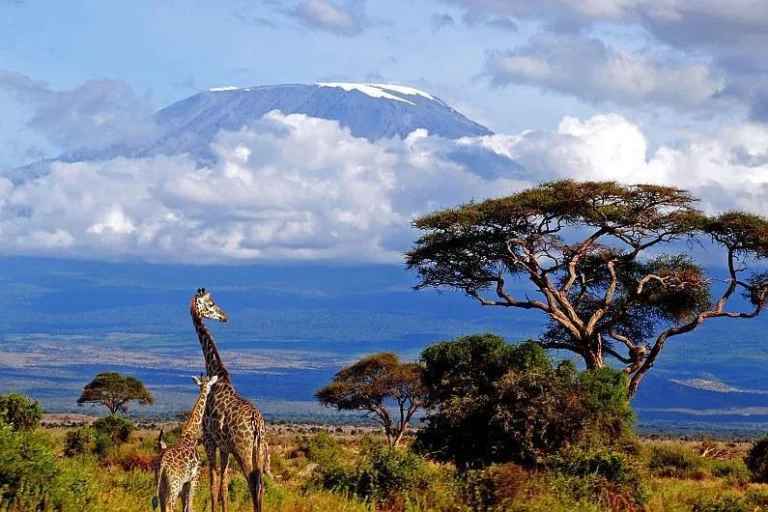
Giraffes add a distinctive visual element to the Serengeti landscape. Their long necks allow them to feed on leaves that many other herbivores cannot easily reach.
Giraffes are often seen walking slowly across open areas or feeding from trees. Their height also allows them to monitor distant surroundings for potential threats.
Birdlife in Serengeti
Serengeti is not only a destination for large mammals. It is also a fantastic location for birdwatching.
The park supports numerous bird species, including eagles, vultures, secretary birds, storks, hornbills, rollers, ostriches, and many smaller species.
Birds of prey are particularly interesting because they occupy important positions in the ecosystem. Eagles can hunt smaller animals, while vultures play a critical role in cleaning up carcasses and reducing the spread of disease.
The Ostrich
The ostrich is the world’s largest living bird and can be seen in open areas of the Serengeti. Its long legs and powerful running ability make it perfectly adapted to the grassland environment.
Ostriches are flightless birds, but their speed provides an effective defense against many threats. Their large size also makes them one of the most impressive birds for safari visitors to observe.
Serengeti Landscapes
The beauty of Serengeti is not limited to wildlife. Its landscapes are equally important.
Open grasslands dominate many parts of the park, while acacia woodlands, river valleys, rocky kopjes, and seasonal wetlands create variation.
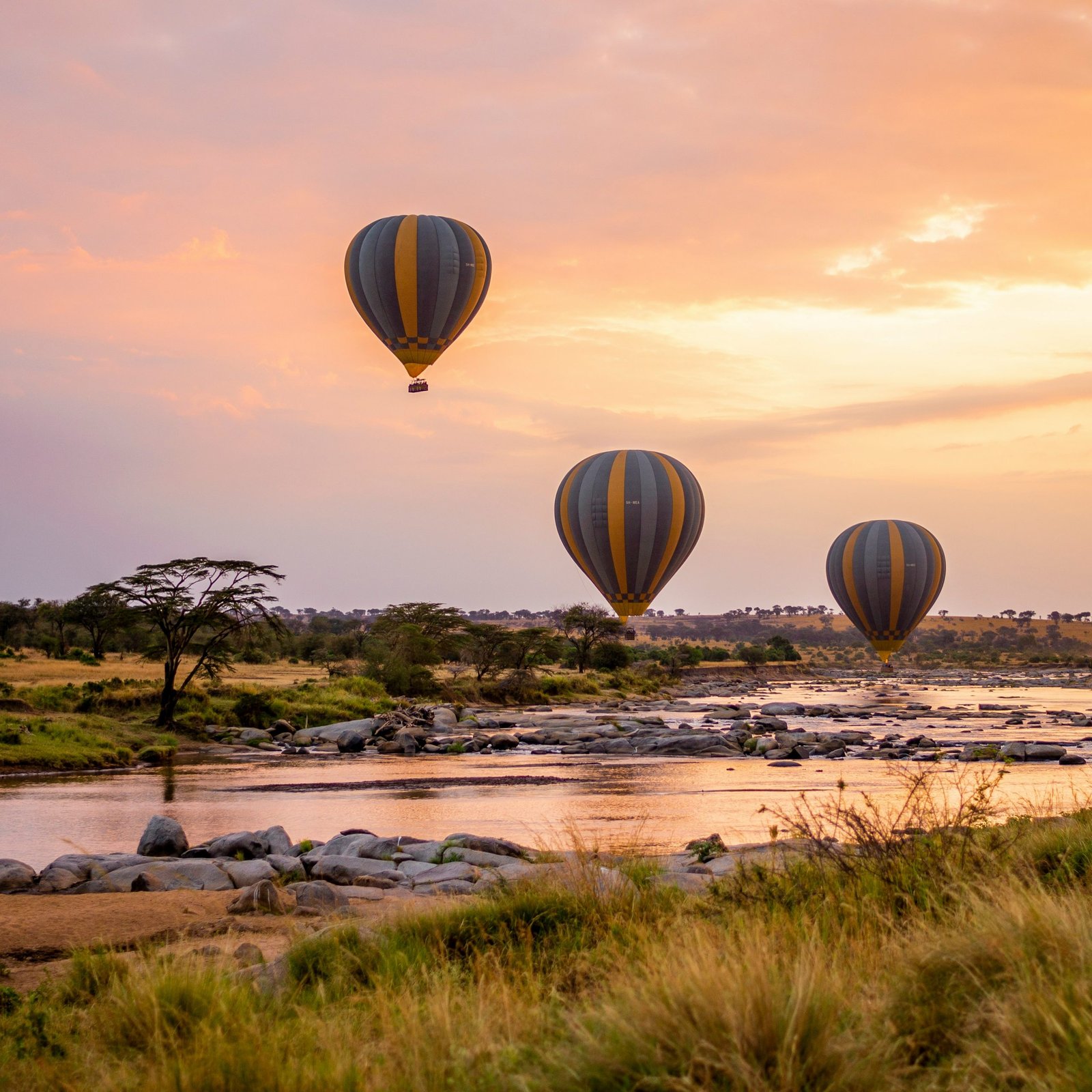
Sunrise and sunset can transform the landscape. Golden light spreads across the grasslands, creating long shadows and dramatic silhouettes of trees and animals.
Serengeti Kopjes
Kopjes are rocky granite outcrops scattered across parts of the Serengeti. They rise above the surrounding plains and provide important habitat for wildlife.
Lions may rest on kopjes, while smaller animals use the rocks for shelter. From a visitor’s perspective, kopjes also create excellent landscape viewpoints.
The rocks can appear especially beautiful during sunrise and sunset when changing light emphasizes their shapes and textures.
Seronera Valley
The Seronera region is one of the most famous areas within Serengeti National Park. It is known for its wildlife diversity and relatively reliable opportunities for animal sightings.
The area contains a mixture of grasslands, riverine vegetation, and rocky landscapes. This habitat diversity attracts predators and herbivores.
Because of its wildlife richness, Seronera is an important base for many safari trips.
Western Serengeti
The western part of the Serengeti offers a different character from some central areas. Grassy plains, woodland, rivers, and seasonal water sources create habitat for many animals.
The Western Corridor is also associated with important stages of the migration. During suitable seasons, large herds can move through this region.
Northern Serengeti
Northern Serengeti is known for its beautiful landscapes and its connection with the migration toward Kenya’s Maasai Mara region.
The northern area can provide a quieter safari atmosphere compared with some of the more heavily visited central areas. Its hills, grasslands, and river systems support diverse wildlife.
Southern Serengeti
The southern Serengeti is particularly important during the calving season. Seasonal rainfall can produce fresh grass that attracts large concentrations of herbivores.
Visitors who are interested in seeing newborn animals and predator activity may find the southern plains especially rewarding during appropriate periods of the year.
Climate of Serengeti National Park
Serengeti has a seasonal climate influenced strongly by rainfall patterns. Temperatures can vary between day and night, and conditions change throughout the year.
Rainfall is extremely important because it determines grass growth and water availability. The timing and location of rainfall influence wildlife movements.
Dry periods can concentrate animals around remaining water sources, while rainy periods can spread wildlife across newly green areas.
Best Time to Visit Serengeti
There is no single perfect time for every traveler because the best period depends on the type of experience you want.
Dry-season months are often popular because vegetation can be less dense and wildlife may gather around water sources. This can make animal viewing easier in certain areas.
Rainy periods can bring green landscapes, dramatic skies, fewer visitors in some areas, and excellent opportunities for photography. The exact timing of wildlife movements varies from year to year because nature does not follow a perfectly predictable calendar.
Visiting During the Great Migration
If your primary goal is to see massive wildebeest herds, timing becomes especially important. Different sections of the Serengeti can host large herds at different times.
It is therefore better to plan around a general migration phase rather than expecting the animals to be in exactly the same location on a particular date.
Experienced safari guides can be extremely helpful because they understand local conditions, recent animal movements, road conditions, and seasonal patterns.
Safari Experience in Serengeti
A safari in Serengeti is generally experienced from specially equipped safari vehicles. Visitors travel along designated routes and observe wildlife from a safe distance.
Game drives can take place during morning, afternoon, and sometimes full-day periods. Early morning drives can be particularly rewarding because temperatures are cooler and many animals are active.
Afternoon drives can provide excellent opportunities to observe animals as temperatures begin to decrease. Sunset game drives can produce spectacular scenery and photography conditions where permitted.
Why a Safari Guide Matters
A knowledgeable guide can significantly improve the safari experience. Guides understand animal behavior, recognize tracks, identify birds, and know areas where wildlife is frequently encountered.
Guides also help visitors understand the ecosystem instead of simply pointing out animals. They can explain relationships between predators and prey, seasonal changes, conservation challenges, and local traditions.
Photography in Serengeti
Serengeti is one of the world’s great wildlife photography destinations. The combination of large animals, open landscapes, dramatic skies, and beautiful light provides countless opportunities.
Early morning and late afternoon often offer softer natural light. A telephoto lens can be useful for photographing animals from a respectful distance, while a wider lens can capture the relationship between wildlife and the enormous landscape.
Patience is essential. Some of the best wildlife photographs happen after long periods of waiting.
Sunrise in Serengeti
Sunrise is one of the most beautiful times in Serengeti. The sky can change from dark blue to orange, pink, and gold as the sun appears above the horizon.
Animals moving through the morning mist or grass can create memorable silhouettes. The cool morning atmosphere also provides excellent opportunities to observe active wildlife.
Sunset in Serengeti
Serengeti sunsets are famous for their dramatic colors and enormous horizons. The setting sun can illuminate grasslands, trees, kopjes, and distant herds.
For photographers, sunsets offer opportunities for silhouettes and wide landscape images. Even travelers without professional cameras often find these scenes unforgettable.
Accommodation in Serengeti
Visitors can choose from several types of accommodation depending on budget and travel style. Options can include permanent lodges, tented camps, mobile camps, and other safari accommodations.
Lodges may provide more permanent facilities, while tented camps can create a closer-to-nature experience. Mobile camps may follow seasonal wildlife movements, offering flexibility for travelers focused on migration.
When selecting accommodation, travelers should consider location, access to wildlife areas, comfort, meal arrangements, transportation, and the type of safari experience offered.
Luxury Safari in Serengeti
Luxury safari experiences can include elegant lodges or tented camps, private guides, spacious accommodations, fine dining, and personalized game drives.
Luxury does not necessarily mean being disconnected from nature. Many high-end camps are designed to provide comfort while maintaining a strong connection with the surrounding environment.
Budget Safari Options
Travelers with limited budgets can also experience Serengeti by choosing simpler accommodations, shared safari vehicles, longer group tours, and carefully planned itineraries.
Because Serengeti is a large and remote destination, transportation and park-related expenses can be significant. Comparing safari packages and understanding exactly what is included is important when planning a budget trip.
Family Safari
Serengeti can be an educational and exciting destination for families. Children can learn about animals, ecosystems, geography, conservation, and African cultures.
Families should consider age restrictions, driving times, accommodation policies, medical preparation, and the length of game drives when planning a safari with children.
Responsible Tourism
Responsible tourism is essential for protecting Serengeti. Visitors should follow park rules, avoid disturbing animals, stay inside designated areas, and listen carefully to their guides.
Wild animals should never be fed or approached on foot without appropriate professional guidance. Visitors should also avoid leaving litter and should minimize unnecessary environmental impact.
Conservation in Serengeti
Conservation is central to the future of Serengeti. Protecting wildlife requires more than simply establishing a national park. It involves habitat protection, anti-poaching efforts, scientific research, veterinary work, community partnerships, tourism management, and education.
Conservation organizations and government authorities work to protect wildlife populations and maintain ecosystem health. Local communities also have an important role because the Serengeti ecosystem exists within a broader human landscape.
Threats Facing Serengeti
Like many major ecosystems, Serengeti faces environmental and human pressures. These can include habitat fragmentation outside protected areas, illegal wildlife hunting, climate variability, human-wildlife conflict, disease, and pressure from increasing tourism.
Maintaining ecological connectivity is especially important because migratory animals require large areas of habitat. If movement routes become blocked, wildlife populations can be negatively affected.
Community and Wildlife Conservation
Conservation is more successful when local communities benefit from the protection of natural resources. Tourism can contribute to local economies through employment, accommodation, transportation, guiding, crafts, food services, and other activities.
Community education and sustainable development can help reduce pressure on wildlife habitats while improving opportunities for people living near protected areas.
Serengeti and Maasai Culture
The wider Serengeti region is closely associated with Maasai culture. The Maasai have a long history of pastoralism and interaction with the landscapes of northern Tanzania and southern Kenya.
Visitors may have opportunities to learn about traditional lifestyles, clothing, crafts, music, and cultural practices through respectful community-based experiences.
Cultural tourism should be approached respectfully. Local communities are not simply tourist attractions; they are living communities with their own histories, traditions, rights, and aspirations.
What to Pack for Serengeti
Travelers should pack according to the season and type of safari. Comfortable lightweight clothing, a warm layer for cool mornings, sun protection, sturdy footwear, insect protection, and personal medications are commonly useful.
Binoculars can greatly improve wildlife viewing. A camera, spare batteries, memory cards, and suitable charging equipment can also be valuable.
A reusable water bottle can help reduce single-use plastic waste, subject to the requirements of your safari operator.
Health and Safety
Travelers should seek professional travel-health advice before visiting Tanzania. Recommended preparations can vary depending on personal circumstances, itinerary, season, and current health conditions.
Visitors should follow all park safety rules. Wild animals are unpredictable, and even apparently calm animals can become dangerous if approached too closely.
Never leave a safari vehicle unless your guide confirms that it is safe and permitted to do so.
Driving Through Serengeti
Road conditions can vary considerably. Some routes may be smooth enough for comfortable travel, while others can be rough, especially after rainfall.
Long drives are part of many Serengeti itineraries because of the park’s enormous size. Travelers should be prepared for extended periods inside a safari vehicle.
Getting to Serengeti
Most international visitors arrive in Tanzania through major airports and then continue toward the northern safari circuit. Serengeti can be reached by road or domestic flights depending on itinerary and budget.
Flying can save significant travel time, while road travel provides opportunities to experience more of northern Tanzania and visit additional destinations along the route.
Combining Serengeti with Ngorongoro
Many safari itineraries combine Serengeti with the Ngorongoro Conservation Area. The two destinations offer different but complementary experiences.
Serengeti provides enormous open landscapes and exceptional opportunities to experience wildlife across a huge ecosystem, while Ngorongoro offers the spectacular setting of a volcanic caldera with high concentrations of wildlife.
Combining Serengeti with Tarangire
Tarangire National Park is another popular addition to northern Tanzania itineraries. It is famous for elephants, baobab trees, and seasonal wildlife concentrations.
Combining several parks allows travelers to experience different landscapes and ecosystems rather than focusing on one destination.
Family Wildlife and Survival
One of the most fascinating aspects of Serengeti is observing family behavior. Lions care for cubs, elephants protect young members of their herds, wildebeest calves remain close to adults, and many birds cooperate in nesting and raising chicks.
These behaviors demonstrate that survival in the Serengeti depends not only on individual strength but also on social relationships.
The Food Chain
The Serengeti food chain is a complex network rather than a simple straight line. Grass supports herbivores, herbivores support carnivores, and carcasses support scavengers.
Vultures, hyenas, jackals, insects, fungi, and microorganisms all contribute to the breakdown and recycling of organic material. Nutrients eventually return to the soil and help support new plant growth.
Water Sources
Water is one of the most important resources in Serengeti. Rivers, streams, pools, and seasonal waterholes provide drinking opportunities for wildlife.
During dry periods, water sources can become gathering places for many species. This can create excellent opportunities for wildlife observation, although visitors should always respect animals and maintain safe distances.
Grasslands of Serengeti
The grasslands are the ecological foundation of much of the Serengeti. Different types of grass grow in different soils and rainfall conditions.
Herbivores have evolved different feeding strategies to use these resources. Some prefer short grass, while others can feed on taller vegetation or browse leaves from shrubs and trees.
Acacia Trees
Acacia and other savanna trees are an iconic part of the Serengeti landscape. Their shapes provide shade for animals and habitat for birds and insects.
Giraffes are particularly well adapted to feeding on tree leaves, while elephants can browse on branches and bark.
Nighttime in Serengeti
After sunset, Serengeti becomes a very different world. Nocturnal animals become active, while some daytime animals settle down.
Depending on the accommodation and safari rules, visitors may have opportunities to learn about nocturnal wildlife. The sounds of the African night can be just as memorable as daytime wildlife viewing.
Stars Over Serengeti
Away from major cities, Serengeti can offer exceptionally impressive night skies. On clear nights, visitors may see thousands of stars above the plains.
The combination of wilderness, silence, and an expansive night sky creates a powerful sense of connection with nature.
Why Serengeti Is So Special
Serengeti is special because it combines scale, biodiversity, natural processes, and dramatic scenery in one extraordinary ecosystem.
Few places allow visitors to see such large numbers of herbivores, major African predators, beautiful birds, and constantly changing landscapes within a single protected area.
The Great Migration adds another dimension to the experience. It demonstrates the incredible ability of wildlife to move across enormous landscapes in response to seasonal environmental conditions.
Tips for First-Time Visitors
- Choose your travel dates according to the type of wildlife experience you want.
- Book accommodation and safari arrangements well in advance during busy periods.
- Use a reputable safari operator and experienced guide.
- Bring binoculars for distant animals and birds.
- Carry suitable clothing for both warm afternoons and cool mornings.
- Follow all park regulations and wildlife-viewing rules.
- Keep a respectful distance from animals.
- Be patient because wildlife sightings cannot be guaranteed.
- Protect your camera and electronics from dust.
- Respect local communities and cultural traditions.
- Avoid litter and unnecessary environmental impact.
Interesting Facts About Serengeti National Park
- Serengeti is one of Africa’s most famous wildlife destinations.
- The park is located in northern Tanzania.
- The word Serengeti is associated with the idea of endless plains.
- The national park was established in 1951.
- The wider ecosystem extends beyond the park’s boundaries.
- The Great Wildebeest Migration is the park’s most famous natural spectacle.
- Large populations of lions live in the Serengeti ecosystem.
- The park supports numerous bird species.
- Seasonal rainfall strongly influences wildlife movements.
- Kopjes provide important habitat for many animals.
- The Serengeti is part of Tanzania’s northern safari circuit.
- The ecosystem supports both predators and enormous herbivore populations.
Frequently Asked Questions About Serengeti National Park
What is Serengeti National Park famous for?
Serengeti is famous for its vast grasslands, abundant wildlife, African predators, and especially the Great Wildebeest Migration.
Where is Serengeti National Park located?
Serengeti National Park is located in northern Tanzania near the border with Kenya.
What animals can be seen in Serengeti?
Visitors may see lions, leopards, cheetahs, elephants, buffalo, rhinoceroses, wildebeest, zebras, giraffes, hippos, hyenas, gazelles, monkeys, birds, and many other species.
What is the Great Migration?
The Great Migration is the seasonal movement of huge numbers of wildebeest, zebras, and other herbivores through the Serengeti ecosystem in response to changing food and water conditions.
Is Serengeti good for a safari?
Yes. Serengeti is widely regarded as one of Africa’s premier safari destinations because of its wildlife diversity, landscapes, and large-scale migration.
Can I see lions in Serengeti?
Yes. Lions are one of the major attractions of Serengeti and can be encountered in several parts of the park.
Are elephants found in Serengeti?
Yes. African elephants live in the Serengeti ecosystem and can be seen in suitable habitats throughout the park.
Can I see a leopard in Serengeti?
Leopards occur in Serengeti, although they are generally more difficult to find than lions because they are secretive and often remain in areas with thicker vegetation.
Is Serengeti suitable for families?
Serengeti can be an excellent educational destination for families, although parents should choose accommodations and safari activities appropriate for their children’s ages.
How long should I spend in Serengeti?
The ideal length depends on your itinerary and budget. Several days can provide a good introduction, while longer stays increase opportunities to explore different regions and observe more wildlife.
What should I bring to Serengeti?
Useful items include comfortable clothing, sun protection, binoculars, a camera, personal medication, sturdy footwear, a warm layer, insect protection, and appropriate travel documents.
Is Serengeti safe?
Serengeti can be visited safely when travelers follow park rules and the instructions of professional guides. Wild animals are unpredictable, so visitors should never approach them independently.
Can I visit Serengeti throughout the year?
Yes. Serengeti is a year-round safari destination, although wildlife concentrations, weather conditions, and migration locations vary seasonally.
Final Thoughts
Serengeti National Park represents one of the most extraordinary wildlife landscapes on Earth. Its endless plains, dramatic skies, ancient rocks, rivers, forests, and enormous variety of animals create an environment unlike almost anywhere else.
The Great Wildebeest Migration is perhaps the most famous reason to visit, but Serengeti is much more than migration. It is a year-round ecosystem where lions hunt across golden plains, elephants travel through woodland, giraffes feed among trees, cheetahs search for prey, zebras gather in herds, birds circle above the grasslands, and countless smaller organisms contribute to the health of the environment.
A visit to Serengeti is also an opportunity to understand the importance of conservation. Protecting such a vast ecosystem requires cooperation between governments, conservationists, scientists, tourism businesses, local communities, and visitors.
For anyone interested in wildlife, nature, photography, adventure, geography, or African landscapes, Serengeti National Park is an extraordinary destination. Its scale and natural beauty can leave a lasting impression, while its wildlife reminds visitors how i
Serengeti National Park: A Complete Guide to Tanzania’s Legendary Wildlife Paradise
Serengeti National Park is one of the most famous wildlife destinations in Africa and one of the world’s most remarkable natural landscapes. Located in northern Tanzania, the park is celebrated for its enormous open grasslands, extraordinary wildlife, dramatic scenery, and the spectacular Great Migration. The name Serengeti comes from the Maasai word “Siringit,” commonly understood as meaning “endless plains,” a description that perfectly captures the vastness of this remarkable region.
For travelers who dream of seeing lions resting on golden grasslands, huge herds of wildebeest moving across the plains, elephants walking beneath acacia trees, cheetahs searching for prey, and thousands of animals gathering around rivers and waterholes, Serengeti National Park offers an unforgettable experience. The park is not simply a place to observe animals; it is a living ecosystem where predators, herbivores, birds, plants, rivers, forests, and seasonal weather patterns are closely connected.
Serengeti is particularly famous for the Great Wildebeest Migration, one of the greatest wildlife spectacles on Earth. Every year, enormous numbers of wildebeest, zebras, and gazelles move through the Serengeti ecosystem in search of fresh grass and water. Their movement creates dramatic scenes involving predators, river crossings, newborn animals, and huge gatherings across the plains.
This guide explores the history, geography, wildlife, landscapes, climate, migration, attractions, safari experiences, conservation efforts, travel planning, photography opportunities, and many other aspects of Serengeti National Park.
Introduction to Serengeti National Park
Serengeti National Park covers a huge area in northern Tanzania and forms the central part of the larger Serengeti ecosystem. It is internationally recognized as one of Africa’s most important protected wildlife areas. The park contains vast plains, rocky outcrops known as kopjes, woodland areas, river valleys, seasonal wetlands, and areas of thicker vegetation.
The landscape may appear simple at first because much of the park is covered by grassland. However, the Serengeti is a highly complex ecosystem. Different habitats support different species, and seasonal rainfall changes the availability of food and water. These environmental changes influence the movements of herbivores and, in turn, the movements of predators.
One of the most fascinating features of Serengeti is that its wildlife population is not limited to one particular season. Animals can be found throughout the year, although their locations and concentrations change according to rainfall, vegetation, and migration patterns.
Where Is Serengeti National Park?
Serengeti National Park is situated in northern Tanzania near the border with Kenya. It is part of a much larger ecosystem that extends toward Kenya’s Maasai Mara National Reserve. The park is relatively close to other important northern Tanzania safari destinations, including Ngorongoro Conservation Area, Lake Manyara, and Tarangire National Park.
The location of Serengeti is one reason it has become such an important destination for wildlife tourism. Travelers can combine Serengeti with several other natural attractions during a northern Tanzania safari.
The park’s huge size means that different areas can offer very different experiences. Some regions contain open grasslands, while others have woodland, rivers, rocky hills, or dense vegetation. This diversity makes it possible to encounter a wide range of animals during a single safari.
The Meaning of the Name Serengeti
The word Serengeti is associated with the Maasai description of the landscape as an endless or wide-open plain. The name is particularly appropriate because the central plains can stretch toward the horizon with very few large physical barriers.
Standing on a Serengeti plain can give visitors a powerful sense of space. The horizon seems extremely distant, and the landscape can appear to continue forever. Golden grass, isolated trees, distant kopjes, clouds, and large animal herds create a scene that has become one of the most recognizable images of Africa.
History of Serengeti National Park
The Serengeti landscape has supported human communities and wildlife for thousands of years. Indigenous communities, including the Maasai and other peoples, have long interacted with the broader Serengeti ecosystem.
During the colonial period, increasing hunting pressure and changes in land use created concerns about wildlife populations. Early conservation efforts gradually developed into more organized protected areas.
Serengeti National Park was formally established in 1951. Since then, it has become one of Tanzania’s most important protected areas and one of the best-known national parks in the world.
The establishment of the park helped protect enormous areas of habitat and provided greater security for many wildlife species. Conservation in the Serengeti has continued to develop over decades, involving government authorities, conservation organizations, local communities, researchers, tourism operators, and international partners.
Serengeti Ecosystem
The Serengeti National Park is part of the wider Serengeti ecosystem. This ecosystem is much larger than the boundaries of the national park itself. Wildlife does not understand political boundaries, and many animals move between different protected areas and landscapes during their annual cycles.
The ecosystem is shaped by seasonal rainfall. Rain stimulates grass growth, which supports herbivores. Herbivores provide food for carnivores. Scavengers consume remains, while insects and microorganisms contribute to decomposition and nutrient cycling.
This interconnected system is one of the main reasons Serengeti remains ecologically important. A change in rainfall, grass availability, water supply, disease patterns, or human land use can influence many parts of the ecosystem.
The Great Wildebeest Migration
The Great Wildebeest Migration is the most famous natural event associated with Serengeti National Park. It involves enormous numbers of wildebeest moving through the Serengeti ecosystem, accompanied by large numbers of zebras and gazelles.
The migration is not a simple journey with one fixed starting point and ending point. Instead, it is a continuous seasonal movement influenced mainly by rainfall, grass growth, water availability, and the reproductive cycle of the animals.
During different parts of the year, large herds can be found in different regions of the Serengeti ecosystem. The movement creates opportunities to witness huge concentrations of animals, dramatic predator activity, newborn calves, and challenging river crossings.
Why Do Wildebeest Migrate?
Wildebeest migration is closely connected to food and water. Fresh rainfall causes new vegetation to grow, providing nutritious grass for herbivores. As the grass becomes less abundant in one area, the herds gradually move toward areas where food is more plentiful.
The migration is therefore an extraordinary example of how animals respond to environmental conditions. It also demonstrates how rainfall patterns can influence an entire ecosystem.
The movement of millions of herbivores creates a tremendous ecological impact. Animals consume vegetation, transport nutrients, provide food for predators and scavengers, and contribute to nutrient cycling through waste and movement.
Wildebeest Calving Season
One of the most remarkable periods of the migration occurs during the calving season. Large numbers of wildebeest gather in areas where conditions are favorable for giving birth.
Thousands of calves can be born within a relatively short period. This creates a remarkable wildlife spectacle, but it also attracts predators. Lions, cheetahs, hyenas, jackals, and other predators take advantage of the abundance of young animals.
The calving season demonstrates the balance between birth and survival in nature. Young animals must quickly learn to stand and move with the herd because remaining isolated can increase their vulnerability to predators.
River Crossings
River crossings are among the most dramatic scenes associated with the Great Migration. When herds approach rivers, animals may gather in enormous numbers before crossing.
Crossings can be unpredictable. Sometimes animals wait for hours or even longer before beginning the movement. Once the first animals enter the water, others may follow rapidly.
Rivers can contain strong currents, steep banks, and crocodiles. The crossings therefore involve genuine natural risks. They are an important reminder that migration is not a controlled event designed for tourists but a natural process driven by survival.
The Big Five of Serengeti
Serengeti is famous for its excellent opportunities to see the African Big Five: lion, leopard, elephant, buffalo, and rhinoceros.
Lions
Lions are among the most recognizable animals in Serengeti. The park supports important lion populations, and visitors frequently encounter prides resting in grasslands or near rocky areas.
Lions often spend many hours resting, particularly during hot periods. Early morning and late afternoon can be especially productive times for observing their activity.
Leopards
Leopards are powerful but secretive predators. They are often associated with trees and areas of thicker vegetation. Their spotted coats provide excellent camouflage.
Seeing a leopard in the wild can be one of the most exciting safari experiences because these animals are generally more difficult to find than lions.
Elephants
African elephants can be found in different parts of the Serengeti ecosystem. These enormous mammals often travel in family groups and feed on grasses, leaves, branches, and other vegetation.
Watching elephants move through the landscape is particularly impressive because their size creates a strong contrast with the open grasslands and distant hills.
African Buffalo
African buffalo are powerful herd animals. Large groups can gather around grasslands and water sources. Their dark bodies and heavy horns make them easy to recognize.
Although buffalo may appear calm, they are extremely powerful animals and should always be observed from a safe distance.
Rhinoceros
Rhinoceroses are among the most endangered large mammals in Africa, and sightings can be difficult. Their conservation is an important part of broader African wildlife protection.
Seeing a rhinoceros in the wild is a memorable experience because these ancient-looking animals represent both the beauty and vulnerability of Africa’s wildlife.
Lions of the Serengeti
Lions have become a symbol of the Serengeti. The open plains provide excellent hunting habitat, particularly where large herbivore populations gather.
Unlike solitary predators, lions are highly social. A pride may include females, young cubs, and males. Females often cooperate in raising cubs and hunting.
Safari visitors may see lions resting under trees, lying in tall grass, walking across open plains, or gathering around a recent kill. Their behavior varies depending on temperature, prey availability, and social interactions.
Cheetahs in Serengeti
Cheetahs are famous for their incredible speed and specialized hunting strategy. Serengeti’s open grasslands provide suitable habitat for these predators.
Cheetahs generally rely on speed rather than prolonged physical struggle. They often search for suitable prey from slightly elevated positions or open areas before beginning a high-speed chase.
Because hunting requires significant energy, successful hunts are important for cheetah survival. Young cheetahs are especially vulnerable to larger predators.
Hyenas and Other Predators
Spotted hyenas play a major role in the Serengeti ecosystem. They are highly social, intelligent predators and scavengers. Hyena clans can be large and have complex social structures.
Hyenas are often misunderstood because of their scavenging reputation. In reality, they are capable hunters and can kill prey themselves.
Jackals and other smaller carnivores also contribute to the Serengeti food web. Their presence demonstrates that the ecosystem supports predators of many different sizes.
Zebras of Serengeti
Zebras are among the most recognizable animals in the park. Their black-and-white stripes create a spectacular sight when large herds move across golden grasslands.
Zebras frequently travel alongside wildebeest during migration. Their different feeding behaviors can allow them to use vegetation in complementary ways.
Large zebra herds are particularly impressive during migration periods, when thousands of animals may occupy the same broad landscape.
Giraffes in the Serengeti
Giraffes add a distinctive visual element to the Serengeti landscape. Their long necks allow them to feed on leaves that many other herbivores cannot easily reach.
Giraffes are often seen walking slowly across open areas or feeding from trees. Their height also allows them to monitor distant surroundings for potential threats.
Birdlife in Serengeti
Serengeti is not only a destination for large mammals. It is also a fantastic location for birdwatching.
The park supports numerous bird species, including eagles, vultures, secretary birds, storks, hornbills, rollers, ostriches, and many smaller species.
Birds of prey are particularly interesting because they occupy important positions in the ecosystem. Eagles can hunt smaller animals, while vultures play a critical role in cleaning up carcasses and reducing the spread of disease.
The Ostrich
The ostrich is the world’s largest living bird and can be seen in open areas of the Serengeti. Its long legs and powerful running ability make it perfectly adapted to the grassland environment.
Ostriches are flightless birds, but their speed provides an effective defense against many threats. Their large size also makes them one of the most impressive birds for safari visitors to observe.
Serengeti Landscapes
The beauty of Serengeti is not limited to wildlife. Its landscapes are equally important.
Open grasslands dominate many parts of the park, while acacia woodlands, river valleys, rocky kopjes, and seasonal wetlands create variation.
Sunrise and sunset can transform the landscape. Golden light spreads across the grasslands, creating long shadows and dramatic silhouettes of trees and animals.
Serengeti Kopjes
Kopjes are rocky granite outcrops scattered across parts of the Serengeti. They rise above the surrounding plains and provide important habitat for wildlife.
Lions may rest on kopjes, while smaller animals use the rocks for shelter. From a visitor’s perspective, kopjes also create excellent landscape viewpoints.
The rocks can appear especially beautiful during sunrise and sunset when changing light emphasizes their shapes and textures.
Seronera Valley
The Seronera region is one of the most famous areas within Serengeti National Park. It is known for its wildlife diversity and relatively reliable opportunities for animal sightings.
The area contains a mixture of grasslands, riverine vegetation, and rocky landscapes. This habitat diversity attracts predators and herbivores.
Because of its wildlife richness, Seronera is an important base for many safari trips.
Western Serengeti
The western part of the Serengeti offers a different character from some central areas. Grassy plains, woodland, rivers, and seasonal water sources create habitat for many animals.
The Western Corridor is also associated with important stages of the migration. During suitable seasons, large herds can move through this region.
Northern Serengeti
Northern Serengeti is known for its beautiful landscapes and its connection with the migration toward Kenya’s Maasai Mara region.
The northern area can provide a quieter safari atmosphere compared with some of the more heavily visited central areas. Its hills, grasslands, and river systems support diverse wildlife.
Southern Serengeti
The southern Serengeti is particularly important during the calving season. Seasonal rainfall can produce fresh grass that attracts large concentrations of herbivores.
Visitors who are interested in seeing newborn animals and predator activity may find the southern plains especially rewarding during appropriate periods of the year.
Climate of Serengeti National Park
Serengeti has a seasonal climate influenced strongly by rainfall patterns. Temperatures can vary between day and night, and conditions change throughout the year.
Rainfall is extremely important because it determines grass growth and water availability. The timing and location of rainfall influence wildlife movements.
Dry periods can concentrate animals around remaining water sources, while rainy periods can spread wildlife across newly green areas.
Best Time to Visit Serengeti
There is no single perfect time for every traveler because the best period depends on the type of experience you want.
Dry-season months are often popular because vegetation can be less dense and wildlife may gather around water sources. This can make animal viewing easier in certain areas.
Rainy periods can bring green landscapes, dramatic skies, fewer visitors in some areas, and excellent opportunities for photography. The exact timing of wildlife movements varies from year to year because nature does not follow a perfectly predictable calendar.
Visiting During the Great Migration
If your primary goal is to see massive wildebeest herds, timing becomes especially important. Different sections of the Serengeti can host large herds at different times.
It is therefore better to plan around a general migration phase rather than expecting the animals to be in exactly the same location on a particular date.
Experienced safari guides can be extremely helpful because they understand local conditions, recent animal movements, road conditions, and seasonal patterns.
Safari Experience in Serengeti
A safari in Serengeti is generally experienced from specially equipped safari vehicles. Visitors travel along designated routes and observe wildlife from a safe distance.
Game drives can take place during morning, afternoon, and sometimes full-day periods. Early morning drives can be particularly rewarding because temperatures are cooler and many animals are active.
Afternoon drives can provide excellent opportunities to observe animals as temperatures begin to decrease. Sunset game drives can produce spectacular scenery and photography conditions where permitted.
Why a Safari Guide Matters
A knowledgeable guide can significantly improve the safari experience. Guides understand animal behavior, recognize tracks, identify birds, and know areas where wildlife is frequently encountered.
Guides also help visitors understand the ecosystem instead of simply pointing out animals. They can explain relationships between predators and prey, seasonal changes, conservation challenges, and local traditions.
Photography in Serengeti
Serengeti is one of the world’s great wildlife photography destinations. The combination of large animals, open landscapes, dramatic skies, and beautiful light provides countless opportunities.
Early morning and late afternoon often offer softer natural light. A telephoto lens can be useful for photographing animals from a respectful distance, while a wider lens can capture the relationship between wildlife and the enormous landscape.
Patience is essential. Some of the best wildlife photographs happen after long periods of waiting.
Sunrise in Serengeti
Sunrise is one of the most beautiful times in Serengeti. The sky can change from dark blue to orange, pink, and gold as the sun appears above the horizon.
Animals moving through the morning mist or grass can create memorable silhouettes. The cool morning atmosphere also provides excellent opportunities to observe active wildlife.
Sunset in Serengeti
Serengeti sunsets are famous for their dramatic colors and enormous horizons. The setting sun can illuminate grasslands, trees, kopjes, and distant herds.
For photographers, sunsets offer opportunities for silhouettes and wide landscape images. Even travelers without professional cameras often find these scenes unforgettable.
Accommodation in Serengeti
Visitors can choose from several types of accommodation depending on budget and travel style. Options can include permanent lodges, tented camps, mobile camps, and other safari accommodations.
Lodges may provide more permanent facilities, while tented camps can create a closer-to-nature experience. Mobile camps may follow seasonal wildlife movements, offering flexibility for travelers focused on migration.
When selecting accommodation, travelers should consider location, access to wildlife areas, comfort, meal arrangements, transportation, and the type of safari experience offered.
Luxury Safari in Serengeti
Luxury safari experiences can include elegant lodges or tented camps, private guides, spacious accommodations, fine dining, and personalized game drives.
Luxury does not necessarily mean being disconnected from nature. Many high-end camps are designed to provide comfort while maintaining a strong connection with the surrounding environment.
Budget Safari Options
Travelers with limited budgets can also experience Serengeti by choosing simpler accommodations, shared safari vehicles, longer group tours, and carefully planned itineraries.
Because Serengeti is a large and remote destination, transportation and park-related expenses can be significant. Comparing safari packages and understanding exactly what is included is important when planning a budget trip.
Family Safari
Serengeti can be an educational and exciting destination for families. Children can learn about animals, ecosystems, geography, conservation, and African cultures.
Families should consider age restrictions, driving times, accommodation policies, medical preparation, and the length of game drives when planning a safari with children.
Responsible Tourism
Responsible tourism is essential for protecting Serengeti. Visitors should follow park rules, avoid disturbing animals, stay inside designated areas, and listen carefully to their guides.
Wild animals should never be fed or approached on foot without appropriate professional guidance. Visitors should also avoid leaving litter and should minimize unnecessary environmental impact.
Conservation in Serengeti
Conservation is central to the future of Serengeti. Protecting wildlife requires more than simply establishing a national park. It involves habitat protection, anti-poaching efforts, scientific research, veterinary work, community partnerships, tourism management, and education.
Conservation organizations and government authorities work to protect wildlife populations and maintain ecosystem health. Local communities also have an important role because the Serengeti ecosystem exists within a broader human landscape.
Threats Facing Serengeti
Like many major ecosystems, Serengeti faces environmental and human pressures. These can include habitat fragmentation outside protected areas, illegal wildlife hunting, climate variability, human-wildlife conflict, disease, and pressure from increasing tourism.
Maintaining ecological connectivity is especially important because migratory animals require large areas of habitat. If movement routes become blocked, wildlife populations can be negatively affected.
Community and Wildlife Conservation
Conservation is more successful when local communities benefit from the protection of natural resources. Tourism can contribute to local economies through employment, accommodation, transportation, guiding, crafts, food services, and other activities.
Community education and sustainable development can help reduce pressure on wildlife habitats while improving opportunities for people living near protected areas.
Serengeti and Maasai Culture
The wider Serengeti region is closely associated with Maasai culture. The Maasai have a long history of pastoralism and interaction with the landscapes of northern Tanzania and southern Kenya.
Visitors may have opportunities to learn about traditional lifestyles, clothing, crafts, music, and cultural practices through respectful community-based experiences.
Cultural tourism should be approached respectfully. Local communities are not simply tourist attractions; they are living communities with their own histories, traditions, rights, and aspirations.
What to Pack for Serengeti
Travelers should pack according to the season and type of safari. Comfortable lightweight clothing, a warm layer for cool mornings, sun protection, sturdy footwear, insect protection, and personal medications are commonly useful.
Binoculars can greatly improve wildlife viewing. A camera, spare batteries, memory cards, and suitable charging equipment can also be valuable.
A reusable water bottle can help reduce single-use plastic waste, subject to the requirements of your safari operator.
Health and Safety
Travelers should seek professional travel-health advice before visiting Tanzania. Recommended preparations can vary depending on personal circumstances, itinerary, season, and current health conditions.
Visitors should follow all park safety rules. Wild animals are unpredictable, and even apparently calm animals can become dangerous if approached too closely.
Never leave a safari vehicle unless your guide confirms that it is safe and permitted to do so.
Driving Through Serengeti
Road conditions can vary considerably. Some routes may be smooth enough for comfortable travel, while others can be rough, especially after rainfall.
Long drives are part of many Serengeti itineraries because of the park’s enormous size. Travelers should be prepared for extended periods inside a safari vehicle.
Getting to Serengeti
Most international visitors arrive in Tanzania through major airports and then continue toward the northern safari circuit. Serengeti can be reached by road or domestic flights depending on itinerary and budget.
Flying can save significant travel time, while road travel provides opportunities to experience more of northern Tanzania and visit additional destinations along the route.
Combining Serengeti with Ngorongoro
Many safari itineraries combine Serengeti with the Ngorongoro Conservation Area. The two destinations offer different but complementary experiences.
Serengeti provides enormous open landscapes and exceptional opportunities to experience wildlife across a huge ecosystem, while Ngorongoro offers the spectacular setting of a volcanic caldera with high concentrations of wildlife.
Combining Serengeti with Tarangire
Tarangire National Park is another popular addition to northern Tanzania itineraries. It is famous for elephants, baobab trees, and seasonal wildlife concentrations.
Combining several parks allows travelers to experience different landscapes and ecosystems rather than focusing on one destination.
Family Wildlife and Survival
One of the most fascinating aspects of Serengeti is observing family behavior. Lions care for cubs, elephants protect young members of their herds, wildebeest calves remain close to adults, and many birds cooperate in nesting and raising chicks.
These behaviors demonstrate that survival in the Serengeti depends not only on individual strength but also on social relationships.
The Food Chain
The Serengeti food chain is a complex network rather than a simple straight line. Grass supports herbivores, herbivores support carnivores, and carcasses support scavengers.
Vultures, hyenas, jackals, insects, fungi, and microorganisms all contribute to the breakdown and recycling of organic material. Nutrients eventually return to the soil and help support new plant growth.
Water Sources
Water is one of the most important resources in Serengeti. Rivers, streams, pools, and seasonal waterholes provide drinking opportunities for wildlife.
During dry periods, water sources can become gathering places for many species. This can create excellent opportunities for wildlife observation, although visitors should always respect animals and maintain safe distances.
Grasslands of Serengeti
The grasslands are the ecological foundation of much of the Serengeti. Different types of grass grow in different soils and rainfall conditions.
Herbivores have evolved different feeding strategies to use these resources. Some prefer short grass, while others can feed on taller vegetation or browse leaves from shrubs and trees.
Acacia Trees
Acacia and other savanna trees are an iconic part of the Serengeti landscape. Their shapes provide shade for animals and habitat for birds and insects.
Giraffes are particularly well adapted to feeding on tree leaves, while elephants can browse on branches and bark.
Nighttime in Serengeti
After sunset, Serengeti becomes a very different world. Nocturnal animals become active, while some daytime animals settle down.
Depending on the accommodation and safari rules, visitors may have opportunities to learn about nocturnal wildlife. The sounds of the African night can be just as memorable as daytime wildlife viewing.
Stars Over Serengeti
Away from major cities, Serengeti can offer exceptionally impressive night skies. On clear nights, visitors may see thousands of stars above the plains.
The combination of wilderness, silence, and an expansive night sky creates a powerful sense of connection with nature.
Why Serengeti Is So Special
Serengeti is special because it combines scale, biodiversity, natural processes, and dramatic scenery in one extraordinary ecosystem.
Few places allow visitors to see such large numbers of herbivores, major African predators, beautiful birds, and constantly changing landscapes within a single protected area.
The Great Migration adds another dimension to the experience. It demonstrates the incredible ability of wildlife to move across enormous landscapes in response to seasonal environmental conditions.
Tips for First-Time Visitors
- Choose your travel dates according to the type of wildlife experience you want.
- Book accommodation and safari arrangements well in advance during busy periods.
- Use a reputable safari operator and experienced guide.
- Bring binoculars for distant animals and birds.
- Carry suitable clothing for both warm afternoons and cool mornings.
- Follow all park regulations and wildlife-viewing rules.
- Keep a respectful distance from animals.
- Be patient because wildlife sightings cannot be guaranteed.
- Protect your camera and electronics from dust.
- Respect local communities and cultural traditions.
- Avoid litter and unnecessary environmental impact.
Interesting Facts About Serengeti National Park
- Serengeti is one of Africa’s most famous wildlife destinations.
- The park is located in northern Tanzania.
- The word Serengeti is associated with the idea of endless plains.
- The national park was established in 1951.
- The wider ecosystem extends beyond the park’s boundaries.
- The Great Wildebeest Migration is the park’s most famous natural spectacle.
- Large populations of lions live in the Serengeti ecosystem.
- The park supports numerous bird species.
- Seasonal rainfall strongly influences wildlife movements.
- Kopjes provide important habitat for many animals.
- The Serengeti is part of Tanzania’s northern safari circuit.
- The ecosystem supports both predators and enormous herbivore populations.
Frequently Asked Questions About Serengeti National Park
What is Serengeti National Park famous for?
Serengeti is famous for its vast grasslands, abundant wildlife, African predators, and especially the Great Wildebeest Migration.
Where is Serengeti National Park located?
Serengeti National Park is located in northern Tanzania near the border with Kenya.
What animals can be seen in Serengeti?
Visitors may see lions, leopards, cheetahs, elephants, buffalo, rhinoceroses, wildebeest, zebras, giraffes, hippos, hyenas, gazelles, monkeys, birds, and many other species.
What is the Great Migration?
The Great Migration is the seasonal movement of huge numbers of wildebeest, zebras, and other herbivores through the Serengeti ecosystem in response to changing food and water conditions.
Is Serengeti good for a safari?
Yes. Serengeti is widely regarded as one of Africa’s premier safari destinations because of its wildlife diversity, landscapes, and large-scale migration.
Can I see lions in Serengeti?
Yes. Lions are one of the major attractions of Serengeti and can be encountered in several parts of the park.
Are elephants found in Serengeti?
Yes. African elephants live in the Serengeti ecosystem and can be seen in suitable habitats throughout the park.
Can I see a leopard in Serengeti?
Leopards occur in Serengeti, although they are generally more difficult to find than lions because they are secretive and often remain in areas with thicker vegetation.
Is Serengeti suitable for families?
Serengeti can be an excellent educational destination for families, although parents should choose accommodations and safari activities appropriate for their children’s ages.
How long should I spend in Serengeti?
The ideal length depends on your itinerary and budget. Several days can provide a good introduction, while longer stays increase opportunities to explore different regions and observe more wildlife.
What should I bring to Serengeti?
Useful items include comfortable clothing, sun protection, binoculars, a camera, personal medication, sturdy footwear, a warm layer, insect protection, and appropriate travel documents.
Is Serengeti safe?
Serengeti can be visited safely when travelers follow park rules and the instructions of professional guides. Wild animals are unpredictable, so visitors should never approach them independently.
Can I visit Serengeti throughout the year?
Yes. Serengeti is a year-round safari destination, although wildlife concentrations, weather conditions, and migration locations vary seasonally.
Final Thoughts
Serengeti National Park represents one of the most extraordinary wildlife landscapes on Earth. Its endless plains, dramatic skies, ancient rocks, rivers, forests, and enormous variety of animals create an environment unlike almost anywhere else.
The Great Wildebeest Migration is perhaps the most famous reason to visit, but Serengeti is much more than migration. It is a year-round ecosystem where lions hunt across golden plains, elephants travel through woodland, giraffes feed among trees, cheetahs search for prey, zebras gather in herds, birds circle above the grasslands, and countless smaller organisms contribute to the health of the environment.
A visit to Serengeti is also an opportunity to understand the importance of conservation. Protecting such a vast ecosystem requires cooperation between governments, conservationists, scientists, tourism businesses, local communities, and visitors.
For anyone interested in wildlife, nature, photography, adventure, geography, or African landscapes, Serengeti National Park is an extraordinary destination. Its scale and natural beauty can leave a lasting impression, while its wildlife reminds visitors how interconnected life can be.
From the first light of sunrise over the endless plains to the final golden colors of sunset, Serengeti offers an unforgettable journey into one of the world’s greatest natural ecosystems.
8nterconnected life can be.
From the first light of sunrise over the endless plains to the final golden colors of sunset, Serengeti offers an unforgettable journey into one of the world’s greatest natural ecosystems.