Komodo National Park
Komodo National Park: A Complete Guide to Indonesia’s Extraordinary Natural Paradise
Komodo National Park is one of the most remarkable natural destinations in Indonesia and one of the world’s most fascinating protected areas. Located in the province of East Nusa Tenggara, the park is famous for its legendary Komodo dragons, spectacular islands, rugged hills, clear tropical waters, colorful coral reefs, and rich marine biodiversity. It is a destination where wildlife, beaches, forests, mountains, and the ocean come together in one extraordinary landscape.
Introduction to Komodo National Park
Komodo National Park is a protected natural area in Indonesia that covers a group of beautiful islands between the larger islands of Sumbawa and Flores. The park is best known as the home of the Komodo dragon, the world’s largest living lizard. These powerful reptiles have made the region famous among wildlife lovers, photographers, researchers, adventurers, and travelers from around the world.
Although the Komodo dragon is the park’s most famous attraction, there is much more to discover. Komodo National Park contains dry savannas, tropical forests, rocky mountains, mangrove areas, white-sand beaches, pink beaches, sea grass meadows, coral reefs, and deep blue waters. The contrast between the dry landscapes and the vibrant marine environment makes the park visually unique.
The park is also an important marine conservation area. Its waters support hundreds of species of fish, coral, sea turtles, rays, sharks, dolphins, and other marine animals. Diving and snorkeling are therefore among the most popular activities in the region.
Visiting Komodo National Park is not simply a beach holiday. It is an opportunity to experience wildlife in a natural environment, explore remote islands, walk across dramatic hills, swim in tropical waters, and learn about the importance of protecting fragile ecosystems.
Where Is Komodo National Park Located?
Komodo National Park is located in the eastern part of Indonesia, within East Nusa Tenggara Province. The park lies in the area between the islands of Sumbawa and Flores. The nearest major tourist gateway is Labuan Bajo on the western tip of Flores.
Labuan Bajo has developed into an important tourism center because of its location close to the national park. Most visitors use the town as a starting point before traveling by boat to the islands and attractions inside the park.
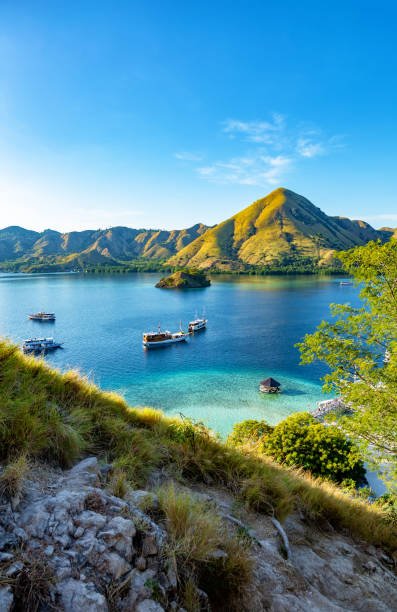
The geographical location of Komodo National Park gives it a distinctive climate and landscape. The islands experience a relatively dry climate compared with many other parts of Indonesia. During the dry season, hills and grasslands can become golden brown, creating a dramatic contrast with the deep blue sea.
History of Komodo National Park
The story of Komodo National Park is closely connected with the discovery and scientific study of the Komodo dragon. Local communities had known about the large reptiles for generations, but international scientific interest increased during the early twentieth century.
Reports of unusually large lizards from the islands attracted attention from scientists. Researchers eventually confirmed that these animals represented a remarkable species found naturally in the region. Scientific expeditions helped increase global awareness of the Komodo dragon and the unique environment in which it lived.
As interest in the species increased, concerns about its protection also became more important. Habitat protection and conservation efforts eventually led to the establishment of Komodo National Park in 1980.
The original purpose of the park was strongly connected with protecting Komodo dragons and their habitat. Over time, conservation efforts expanded to include the park’s marine ecosystems and many other species.
Today, Komodo National Park is recognized internationally as an important natural heritage site. Its conservation status reflects the global importance of its terrestrial and marine biodiversity.
The Famous Komodo Dragon
The Komodo dragon is the most famous animal in the national park. Scientifically known as Varanus komodoensis, it is the largest living lizard species.
Adult Komodo dragons can grow to impressive lengths and weights. They have strong bodies, muscular legs, powerful tails, sharp claws, and a highly developed sense of smell. Their appearance can seem prehistoric, which is one reason they fascinate visitors so much.
Komodo dragons are carnivorous predators and scavengers. Their diet can include deer, wild pigs, smaller reptiles, birds, and carrion. They are capable hunters and can use their strong bodies and jaws to capture prey.
One of the most interesting features of Komodo dragons is their ability to detect the smell of food from considerable distances under suitable conditions. Their forked tongues help collect chemical particles from the air, which are then processed by sensory organs in the roof of the mouth.
Young Komodo dragons have a very different lifestyle from adults. They spend considerable time in trees, where they can avoid larger dragons and other predators. As they grow, they gradually become more terrestrial.
Komodo Dragon Habitat
Komodo dragons live in a variety of habitats across the park. These include dry grasslands, open woodland, savanna, coastal areas, and forested regions.
The dry climate of the islands plays an important role in shaping the landscape. During the dry months, vegetation may become sparse and brown, while the rainy season can transform the landscape into a greener environment.
The availability of prey is another important factor. Animals such as Timor deer and wild pigs form part of the ecological system that supports Komodo dragons.
Major Islands of Komodo National Park
Komodo National Park includes numerous islands and smaller islets. Among the most important are Komodo Island, Rinca Island, Padar Island, and several surrounding islands.
Komodo Island
Komodo Island is one of the park’s most famous destinations. It is closely associated with the Komodo dragon and offers opportunities to explore dry forests, savanna landscapes, beaches, and coastal areas.
Rinca Island
Rinca Island is another important location for observing Komodo dragons. The island contains open grasslands and other habitats where wildlife can often be observed.
Visitors exploring Rinca should always follow instructions from park rangers. Komodo dragons are wild animals, and maintaining a safe distance is essential.
Padar Island
Padar Island is one of the most photographed landscapes in the national park. The island is famous for its dramatic hills and distinctive coastal views.
A hiking trail leads to elevated viewpoints where visitors can see several bays separated by rugged hills. The landscape is particularly impressive because different beaches can appear in separate sections of the coastline.
Why Komodo National Park Is Famous
Komodo National Park is famous for several reasons. The Komodo dragon is obviously its biggest attraction, but the park’s global reputation also comes from its spectacular scenery and exceptional marine biodiversity.
- Home of the Komodo dragon
- Beautiful tropical islands
- World-class diving and snorkeling
- Colorful coral reefs
- Unique pink-sand beaches
- Beautiful viewpoints and hiking trails
- Rich marine biodiversity
- Important conservation area
- Outstanding photography opportunities
- Unique dry tropical landscapes
Pink Beach in Komodo National Park
Pink Beach is one of the park’s most visually distinctive attractions. Its sand can appear pink because of the combination of pale sand and fragments of red-colored coral or marine organisms.
The intensity of the pink color can change depending on sunlight, weather, water conditions, and the amount of colored material mixed into the sand.
Pink Beach is popular for swimming, snorkeling, photography, and relaxing beside the sea. Visitors should avoid removing coral or other natural materials from the beach because these elements are part of the ecosystem.
Marine Life of Komodo National Park
The waters surrounding the islands are among the most valuable parts of Komodo National Park. The marine environment contains coral reefs, sea grass beds, mangrove habitats, and open-water ecosystems.
These habitats support an extraordinary variety of marine life. Divers and snorkelers may encounter colorful reef fish, sea turtles, rays, sharks, moray eels, seahorses, crustaceans, and many other creatures.
The strong currents found in some parts of the park contribute to the movement of nutrients through the marine environment. These conditions help support productive ecosystems but also mean that visitors should only dive in suitable locations with qualified guides.
Diving in Komodo National Park
Komodo National Park is widely regarded as an exceptional destination for scuba diving. Its underwater landscapes can include coral gardens, steep walls, channels, reefs, and areas with strong currents.
Experienced divers can enjoy encounters with large marine animals as well as smaller reef creatures. Different dive locations provide different experiences, so local dive operators usually choose sites according to weather, tides, currents, and diver experience.
Divers should never underestimate the currents in the region. Some sites are better suited to experienced divers, while others can be more appropriate for beginners under professional supervision.
Snorkeling in Komodo National Park
Snorkeling is one of the easiest ways to experience the park’s underwater world. Visitors do not need advanced diving skills to observe shallow coral reefs and tropical fish.
Many boat tours include snorkeling stops at selected beaches or reefs. Clear water can provide excellent visibility, although conditions vary with weather, tides, currents, and location.
Responsible snorkeling is extremely important. Swimmers should avoid touching coral, standing on reefs, chasing animals, or feeding fish. Even small disturbances can damage delicate marine ecosystems.
Wildlife Beyond Komodo Dragons
Komodo dragons receive most of the attention, but the national park contains many other fascinating animals.
Timor deer are an important part of the terrestrial ecosystem and are also an important prey species for Komodo dragons. Wild pigs, water buffalo, macaques, birds, snakes, and many smaller reptiles can also be found in different parts of the park.
The surrounding sea contains an even greater variety of wildlife. Sea turtles, manta rays, reef sharks, dolphins, dugongs in suitable habitats, and countless fish species contribute to the park’s ecological importance.
Birdlife in Komodo National Park
Komodo National Park is also interesting for birdwatchers. The islands support a variety of resident and visiting bird species.
Birds can be found in forests, grasslands, mangrove areas, and coastal habitats. Their presence demonstrates that the park is more than a sanctuary for reptiles. It is a complete ecosystem containing numerous interconnected species.
Landscape and Geography
The landscape of Komodo National Park is dramatically different from the lush rainforest environments found in many other parts of Indonesia.
Rolling hills, dry grasslands, rocky mountains, coastal cliffs, bays, beaches, and forests dominate the islands. During the dry season, the grasslands can become golden, giving the islands a distinctive appearance.
The combination of rugged terrain and tropical seas creates some of the most recognizable scenery in Indonesia.
Climate of Komodo National Park
Komodo National Park generally experiences a tropical climate with a pronounced dry period. Temperatures can be warm throughout much of the year.
The dry season often produces clear skies and golden landscapes, while the rainy period can bring greener vegetation and occasional heavy rainfall.
Weather conditions are particularly important for boat trips. Wind, waves, rain, and currents can affect travel plans, so visitors should remain flexible.
Best Time to Visit Komodo National Park
The best time to visit depends on the activities a traveler wants to enjoy. Many visitors prefer the drier months because hiking conditions can be more comfortable and the weather is often favorable for boat trips.
However, different seasons offer different experiences. Dry-season landscapes can look dramatic and golden, while wetter months can bring greener scenery.
Travelers should check current weather, park regulations, sea conditions, and local tourism information before planning their trip.
How to Reach Komodo National Park
Labuan Bajo is the primary gateway for many visitors to Komodo National Park. The town has an airport and a growing tourism infrastructure.
From Labuan Bajo, travelers generally continue by boat. Trips may be organized as day tours or multi-day liveaboard journeys.
Boat travel is an important part of the Komodo experience because many of the park’s most famous attractions are separated by sea.
Boat Tours
Boat tours are one of the most popular ways to explore Komodo National Park. A typical trip may combine wildlife observation, hiking, snorkeling, beach visits, and scenic viewpoints.
Day trips are suitable for travelers with limited time, while multi-day boat journeys can provide a deeper experience of the islands and marine environment.
When selecting a tour, travelers should consider safety standards, boat condition, crew experience, environmental practices, itinerary, accommodation, and group size.
Hiking in Komodo National Park
Hiking is an important part of exploring the park. Trails cross dry hills, grasslands, forests, and coastal landscapes.
Padar Island is particularly famous for hiking because of its panoramic views. Other islands also offer trails where visitors can experience the natural environment and search for wildlife.
Hiking can be physically demanding because of heat, steep slopes, and limited shade. Carrying enough drinking water, wearing suitable footwear, using sun protection, and following ranger instructions are important.
Wildlife Watching
Wildlife watching is one of the most exciting activities in the park. Visitors may encounter Komodo dragons resting near trails, moving across open ground, or searching for food.
Wildlife sightings are never guaranteed because animals are wild and move freely. This uncertainty is part of the experience.
Visitors should remain quiet, maintain safe distances, and never attempt to attract or feed animals.
Safety Around Komodo Dragons
Komodo dragons are powerful wild predators and should always be treated with respect. Visitors should never approach them independently or attempt to take close-up photographs without following ranger instructions.
Park visitors are normally accompanied or guided according to current park rules and safety procedures. Rangers understand animal behavior and can help visitors maintain an appropriate distance.
Travelers should never feed Komodo dragons or other wildlife. Food should be kept securely stored, and visitors should follow all instructions given by park authorities.
Conservation of Komodo National Park
Conservation is at the heart of Komodo National Park. Protecting the Komodo dragon requires protecting the entire ecosystem on which the species depends.
Conservation efforts include habitat protection, wildlife monitoring, visitor management, marine protection, research, environmental education, and cooperation with local communities.
Marine conservation is especially important because coral reefs and coastal ecosystems are sensitive to pollution, overfishing, climate change, physical damage, and other pressures.
Threats Facing the Park
Like many protected natural areas, Komodo National Park faces several environmental challenges.
- Climate change
- Changes in marine ecosystems
- Habitat disturbance
- Illegal fishing
- Marine pollution
- Plastic waste
- Uncontrolled tourism
- Wildlife disturbance
- Forest and grassland changes
- Pressure on natural resources
Effective conservation requires cooperation between government agencies, scientists, local communities, tourism operators, visitors, and conservation organizations.
Responsible Tourism
Visitors have an important role in protecting Komodo National Park. Responsible tourism means enjoying the destination without damaging its natural environment.
- Follow park rules and ranger instructions.
- Never feed wildlife.
- Do not touch or stand on coral reefs.
- Carry reusable water bottles where practical.
- Do not leave plastic or other waste behind.
- Avoid collecting shells, coral, rocks, or plants.
- Maintain a safe distance from wildlife.
- Use responsible tour operators.
- Respect local communities and their traditions.
- Keep noise levels low in natural areas.
Local Communities and Culture
People living in and around the region have long-standing connections with the islands and surrounding seas. Local communities depend on natural resources in different ways, including fishing, agriculture, tourism, and other economic activities.
Tourism has created new economic opportunities in the region. Boat operators, guides, hotels, restaurants, transportation providers, dive centers, and local businesses all participate in the tourism economy.
Visitors can support local communities by purchasing appropriate locally made products, hiring local guides, eating at local restaurants, and choosing tourism businesses that demonstrate responsible practices.
Photography in Komodo National Park
Komodo National Park is a dream destination for photographers. The combination of wildlife, dramatic hills, tropical beaches, colorful underwater environments, and changing light provides countless photographic opportunities.
Sunrise and sunset can create beautiful conditions over the islands and sea. Elevated viewpoints offer wide landscapes, while beaches provide opportunities for coastal photography.
Wildlife photography requires patience. Photographers should never move too close to animals simply to obtain a better picture. Ethical wildlife photography places animal safety above the photograph.
What to Pack for a Komodo Trip
Travelers should prepare carefully because many areas of the national park have limited facilities.
- Lightweight clothing
- Comfortable walking shoes
- Sun hat
- Sunscreen
- Sunglasses
- Reusable water bottle
- Swimsuit
- Snorkeling equipment if not provided
- Camera
- Power bank
- Small first-aid supplies
- Insect protection
- Light rain protection
- Waterproof bag for electronics
Accommodation Options
Most visitors stay in Labuan Bajo before or after exploring the national park. The town offers a range of accommodation options, from budget guesthouses to comfortable hotels and resorts.
Another option is staying on a liveaboard boat. Multi-day boat trips allow travelers to sleep on board while moving between islands and attractions.
Accommodation inside or close to protected areas can be more limited, so travelers should plan ahead during busy periods.
Food and Dining
Labuan Bajo provides a variety of dining options, including Indonesian dishes, seafood, international food, and simple local meals.
Travelers taking boat trips should confirm what meals and drinking water are included in their package. On remote islands, food choices and facilities may be limited.
Fresh seafood is popular in the region, but responsible travelers should consider the sustainability of seafood choices and support businesses that follow responsible sourcing practices.
Komodo National Park for Families
Families can enjoy Komodo National Park, but trips should be planned with safety and physical ability in mind. Hiking in hot weather can be challenging for young children, and wildlife encounters require strict supervision.
Families should choose tours with appropriate safety standards and activities suitable for their children’s ages. Snorkeling, scenic boat rides, and selected beaches can provide memorable family experiences.
Komodo National Park for Adventure Travelers
Adventure travelers can find plenty to enjoy in the park. Hiking, diving, snorkeling, island hopping, wildlife watching, kayaking in suitable areas, and multi-day boat trips can all create an exciting experience.
The remote character of some islands adds to the feeling of adventure. However, adventure should always be balanced with safety and environmental responsibility.
Komodo National Park for Nature Lovers
Nature lovers will find an extraordinary combination of ecosystems in the park. The terrestrial environment contains reptiles, mammals, birds, and insects, while the marine environment contains coral reefs, fish, turtles, rays, and many other organisms.
Few destinations offer such a strong combination of land and marine wildlife experiences in one relatively compact region.
Interesting Facts About Komodo National Park
- Komodo National Park is located in Indonesia’s East Nusa Tenggara Province.
- The park is famous for the Komodo dragon.
- The Komodo dragon is the largest living lizard species.
- The park contains both terrestrial and marine ecosystems.
- Padar Island is famous for its dramatic panoramic views.
- Pink Beach is known for its unusual pink-colored sand.
- Rinca Island is an important area for Komodo dragon observation.
- Labuan Bajo is a major gateway to the park.
- The park is popular for diving and snorkeling.
- Dry savanna landscapes are an important feature of the islands.
- The surrounding waters contain rich coral reef ecosystems.
- Tourism and conservation must be carefully balanced.
How Many Days Are Needed?
The ideal length of a Komodo National Park trip depends on the traveler’s interests. A short day trip can provide an introduction to the park, while a two- or three-day boat journey allows more time for hiking, snorkeling, wildlife viewing, and visiting several islands.
Travelers interested in diving may want to spend additional days in the region because the marine environment contains many different dive locations.
One-Day Komodo Experience
A one-day visit can focus on a few major attractions. Depending on the tour itinerary and conditions, travelers may visit a wildlife area, hike a viewpoint, snorkel at a reef, and relax at a beach.
Because travel between islands takes time, a one-day itinerary cannot cover everything. Visitors should prioritize the experiences that matter most to them.
Multi-Day Komodo Adventure
A multi-day trip offers a much more complete experience. Travelers can spend more time exploring islands and can visit several different snorkeling and diving locations.
Sleeping on a boat can also provide a unique travel experience. Waking up surrounded by tropical islands and clear waters is one of the memorable features of a Komodo journey.
Best Experiences in Komodo National Park
There are many unforgettable experiences available in the park. Some of the most popular include:
- Seeing Komodo dragons in their natural environment
- Hiking to a panoramic viewpoint on Padar Island
- Swimming and snorkeling near tropical beaches
- Exploring colorful coral reefs
- Visiting Pink Beach
- Watching sunrise or sunset from an island viewpoint
- Taking a multi-day boat journey
- Photographing the dramatic landscapes
- Exploring marine wildlife
- Learning about conservation
Environmental Importance
The importance of Komodo National Park extends far beyond tourism. It protects a network of habitats that support rare and threatened species.
The park’s marine ecosystems are particularly valuable because coral reefs and coastal habitats support large numbers of organisms. Healthy marine ecosystems also contribute to the livelihoods of local communities.
Protecting the park therefore benefits wildlife, local people, scientific research, tourism, and future generations.
Komodo National Park and Climate Change
Climate change is an important long-term challenge for ecosystems around the world, including Komodo National Park. Rising sea temperatures can affect coral reefs, while changing rainfall patterns can influence vegetation and freshwater availability.
Sea-level rise and changes in extreme weather may also affect coastal ecosystems and tourism infrastructure.
Conservation planning must therefore consider both current environmental pressures and future climate conditions.
Why You Should Visit Komodo National Park
Komodo National Park offers an experience that is difficult to find elsewhere. It combines ancient-looking reptiles, dramatic tropical islands, beautiful beaches, coral reefs, marine wildlife, and unforgettable boat journeys.
The destination is especially attractive to travelers who want more than traditional sightseeing. Every part of the journey can become an adventure, from watching a Komodo dragon to climbing a hill above a turquoise bay.
Most importantly, visiting the park can help people understand why natural habitats need protection. A responsible visitor does not simply take photographs and leave; they also learn about the environment and help reduce their impact.
Tips for a Better Komodo National Park Visit
- Plan your trip before arriving.
- Choose a reputable tour operator.
- Check current park rules and fees.
- Listen carefully to ranger instructions.
- Carry enough drinking water.
- Protect yourself from the tropical sun.
- Wear comfortable footwear for hiking.
- Respect wildlife and maintain a safe distance.
- Do not touch coral reefs.
- Keep the islands free from litter.
- Be prepared for changing sea conditions.
- Respect local communities.
- Keep valuable electronics protected from water.
- Allow extra time in your schedule for weather-related changes.
Frequently Asked Questions About Komodo National Park
What is Komodo National Park famous for?
Komodo National Park is most famous for the Komodo dragon, the world’s largest living lizard. It is also famous for beautiful islands, pink beaches, coral reefs, diving, snorkeling, and rich marine biodiversity.
Where is Komodo National Park?
Komodo National Park is in East Nusa Tenggara, Indonesia, between the islands of Sumbawa and Flores. Labuan Bajo on Flores is one of the main gateways.
Can tourists see Komodo dragons?
Yes. Visitors can observe Komodo dragons in designated areas, normally with trained guides or rangers. Wildlife encounters are unpredictable, and safety instructions should always be followed.
Is Komodo National Park good for snorkeling?
Yes. The park is well known for its coral reefs and marine biodiversity, making snorkeling one of the most popular activities.
Is Komodo National Park good for diving?
Yes. The surrounding waters contain many impressive diving environments. Some locations have strong currents, so divers should select sites appropriate to their experience.
What is Pink Beach?
Pink Beach is a beach where the sand can appear pink because pale sand is mixed with reddish material from marine organisms and coral fragments.
How do visitors get to Komodo National Park?
Many travelers first reach Labuan Bajo on Flores and then continue to the national park by boat.
How long should I stay?
A short trip can provide an introduction, while two or more days allow travelers to explore more islands, beaches, hiking trails, and snorkeling locations.
Is Komodo National Park safe?
The park can be visited safely when travelers follow official rules, stay with appropriate guides or rangers, maintain safe distances from wildlife, and respect marine and hiking safety instructions.
What should I bring?
Useful items include comfortable shoes, light clothing, sun protection, drinking water, swimwear, a reusable bottle, a camera, waterproof bags, and any personal medicines.
Conclusion
Komodo National Park is one of Indonesia’s most extraordinary natural treasures. Its combination of rare wildlife, dramatic islands, tropical beaches, colorful coral reefs, and spectacular marine life makes it a truly special destination.
The Komodo dragon remains the park’s greatest symbol, but the real importance of the area lies in the entire ecosystem. From dry savannas and forests to coral reefs and deep ocean waters, every part of the park contributes to its remarkable biodiversity.
A visit to Komodo National Park can be an unforgettable adventure, but it also comes with responsibility. Travelers should respect wildlife, follow park regulations, avoid damaging coral reefs, reduce waste, and support responsible tourism.
Whether you are interested in wildlife, photography, hiking, diving, snorkeling, beaches, or nature, Komodo National Park offers an incredible combination of experiences. Its landscapes and wildlife remind us how valuable natural places are and why protecting them for future generations is so important.
For anyone looking for a destination that combines adventure, natural beauty, wildlife, and conservation, Komodo National Park deserves a place among the world’s most remarkable places to explore.