Arusha National Park
Arusha National Park: A Complete Guide to Tanzania’s Beautiful Highland Wilderness
Arusha National Park is one of Tanzania’s most diverse and scenic protected areas.
Located in northern Tanzania near the city of Arusha, the park combines beautiful
mountains, green forests, open grasslands, crater landscapes, lakes, and rich wildlife
in a relatively compact area. Although it is smaller than some of Tanzania’s most
famous safari destinations, Arusha National Park offers an impressive variety of
landscapes and outdoor experiences.
Introduction to Arusha National Park
Tanzania is famous around the world for its spectacular national parks, abundant
wildlife, dramatic landscapes, and unforgettable safari experiences. Among its many
protected areas, Arusha National Park has a special character. It is not simply a
destination for traditional game drives. Instead, it is a place where visitors can
experience mountains, forests, lakes, waterfalls, volcanic scenery, and wildlife
within a relatively short distance.
The park is situated in northern Tanzania, close to the city of Arusha. Its location
makes it an important destination for travelers beginning a northern Tanzania safari.
It is also one of the places where visitors can enjoy views of Mount Meru, one of
Africa’s most impressive volcanic mountains. On clear days, the mountain dominates
the surrounding landscape and creates a dramatic backdrop for wildlife viewing and
photography.
Arusha National Park is particularly famous for its varied ecosystems. Visitors can
travel through montane forests, open savannah, wetlands, lakes, and volcanic terrain
during the same visit. This ecological diversity supports a wide range of animals and
birds.
The park is also known for opportunities that are less common in many major safari
destinations. Depending on regulations, conditions, and the area visited, activities
may include walking safaris, canoeing, hiking, mountain climbing, bird watching, and
traditional game drives. This makes Arusha National Park attractive to travelers who
want more than simply sitting inside a safari vehicle.
Where Is Arusha National Park?
Arusha National Park is located in northern Tanzania, near the city of Arusha. Its
position makes it particularly convenient for visitors traveling through Tanzania’s
famous northern safari circuit.
The park lies around Mount Meru and contains a collection of landscapes that change
considerably with elevation. From lower grasslands and wetlands to high mountain
forests, the park provides an excellent introduction to the natural environment of
northern Tanzania.
Its proximity to Arusha also means that travelers can visit the park without making
the long journeys required to reach some of Tanzania’s more distant wilderness areas.
This makes it useful for short safari programs, day trips, longer itineraries, and
visitors who want to add a nature experience before or after visiting other northern
Tanzania destinations.
History of Arusha National Park
The protected area around Mount Meru has a long history of conservation. Over time,
different parts of the region received protected status as authorities recognized the
importance of its forests, wildlife, volcanic landscapes, and water resources.
The modern national park developed from earlier protected areas and eventually became
known as Arusha National Park. Conservation efforts have helped protect the natural
ecosystems surrounding Mount Meru while also creating opportunities for tourism and
environmental education.
The history of the park is closely connected with Mount Meru. The mountain is both a
geological landmark and an important natural feature for the region. Its slopes create
different climate zones and habitats, allowing many species to live within a relatively
small geographic area.
Today, Arusha National Park is managed as an important protected area within Tanzania’s
wider conservation network. It contributes to biodiversity protection while supporting
tourism, research, local employment, and environmental awareness.
Mount Meru: The Heart of the Park
Mount Meru is one of the defining features of Arusha National Park. Rising dramatically
above the surrounding landscape, the mountain provides one of the most impressive
backgrounds in northern Tanzania.
Mount Meru is a volcanic mountain with a distinctive geological structure. Its slopes
contain forests, cliffs, valleys, and other dramatic formations. The mountain’s
volcanic history has played an important role in shaping the landscape of the region.
For adventurous travelers, Mount Meru is also an important climbing destination.
Climbing the mountain provides a completely different experience from a conventional
safari. Hikers move through changing vegetation zones as they gain altitude, eventually
reaching high elevations with spectacular views.
Even visitors who do not climb Mount Meru can appreciate its beauty. The mountain can
appear from different parts of the park, and its presence adds a dramatic quality to
photographs of forests, grasslands, lakes, and wildlife.
Landscape and Geography
One of the greatest attractions of Arusha National Park is its geographic diversity.
The park contains several major landscape types, including volcanic terrain, forests,
open grasslands, wetlands, and lakes.
The landscape changes as visitors travel through different elevations. Lower areas
may feature open vegetation and grazing animals, while higher areas contain dense
forest and cooler conditions.
The volcanic origin of the region is especially visible around crater areas. These
geological features provide unique habitats for wildlife and create excellent
viewpoints.
The combination of mountains, forests, water, and open land gives Arusha National Park
an unusually varied appearance. A visitor can experience a forest environment in the
morning and later travel across open grassland or visit a peaceful lake.
Ngurdoto Crater
Ngurdoto Crater is one of the best-known natural attractions within Arusha National
Park. This large volcanic crater creates a striking landscape surrounded by forested
slopes.
The crater floor contains grasslands and wet areas that can attract a variety of
animals. Because visitors generally view the crater from designated viewpoints rather
than driving freely across every part of the crater floor, the experience can feel
peaceful and scenic.
From the viewpoints around the crater, visitors may see large herbivores and different
bird species. The surrounding forest provides an impressive contrast to the open
landscape below.
Ngurdoto Crater is particularly attractive to photographers because it combines
wildlife, volcanic geography, vegetation, and dramatic elevation changes in a single
view.
Momella Lakes
The Momella Lakes are another major attraction of Arusha National Park. These lakes
form a beautiful collection of water bodies surrounded by grasslands and forested
landscapes.
Different lakes can have different colors and appearances depending on mineral
content, water levels, algae, light, and seasonal conditions. Their changing scenery
makes them excellent locations for nature photography.
The lakes also attract many birds. Flamingos may sometimes be seen around suitable
wetland areas, along with other water birds and species that use the surrounding
habitats.
Canoeing may be available in designated areas and under appropriate conditions. A
canoeing experience provides a peaceful way to observe the landscape from the water
and can offer a different perspective from a vehicle safari.
Wildlife in Arusha National Park
Arusha National Park supports a diverse collection of wildlife. Although it is not
primarily known for huge concentrations of large predators, the park provides
excellent opportunities to see many herbivores, primates, birds, and other species.
Wildlife sightings vary according to location, season, weather, vegetation, and other
natural factors. No safari can guarantee that a particular animal will appear, but
the park’s varied habitats increase the range of species visitors may encounter.
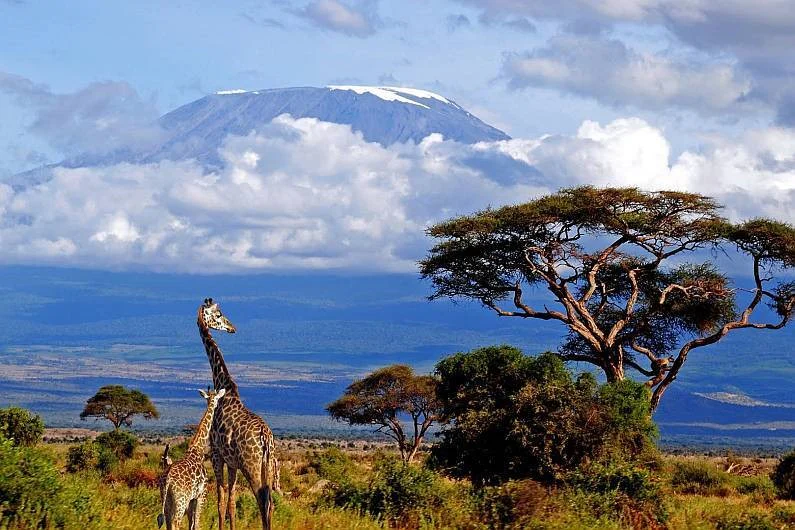
Giraffes
Giraffes are among the animals commonly associated with Arusha National Park. Their
tall bodies make them relatively easy to spot when they are standing in open
grasslands or near forest edges.
Seeing a giraffe against the background of Mount Meru or another volcanic landscape
can be a memorable photographic experience. Their long necks and distinctive patterns
make them one of the most recognizable animals in Tanzania.
Buffalo
African buffalo can also be found in suitable areas of the park. These large and
powerful herbivores often spend time grazing in grasslands or moving between different
habitats.
Buffalo are social animals and may form groups of different sizes. Safari visitors
should always maintain a safe distance and follow the instructions of their guide.
Zebras
Zebras are another attractive wildlife species found in Arusha National Park. Their
black-and-white patterns stand out strongly against the green and golden vegetation.
Zebra often share open habitats with other grazing animals. Observing them as they
move across grasslands provides visitors with an excellent opportunity to understand
how different herbivore species use the same ecosystem.
Warthogs
Warthogs can sometimes be seen moving across grasslands and open areas. They have
distinctive facial features and tusks and are often observed feeding on vegetation.
Their behavior can be entertaining to watch, particularly when they run with their
tails raised. Like all wild animals, however, they should be observed respectfully
from a safe distance.
Waterbuck
Waterbuck are associated with habitats close to water and grasslands. Their presence
around lakes and wet areas adds to the diversity of wildlife found within the park.
These large antelopes have a characteristic body shape and often remain alert when
approached by vehicles or people. Their behavior provides interesting opportunities
for wildlife photographers.
Antelope Species
Arusha National Park contains several types of antelope. Different species occupy
different habitats, ranging from open grasslands to forest edges and wetland areas.
Smaller antelope can be more difficult to spot than larger animals because they may
remain close to vegetation. Experienced safari guides are often very useful for
identifying them.
Primates of Arusha National Park
The forested areas of Arusha National Park are particularly important for primates.
Monkeys and other forest animals can be observed in suitable habitats.
Blue monkeys and other forest-dwelling primates may move through trees, feed on fruits
and leaves, or travel in groups. Their behavior can be especially interesting for
visitors who enjoy observing animals beyond traditional large-game safari species.
Colobus monkeys may also be associated with forest habitats in the region. Their
striking appearance and tree-dwelling lifestyle make them an exciting sighting.
Birdlife
Arusha National Park is an excellent destination for bird lovers. Its combination of
forests, lakes, wetlands, grasslands, and mountain habitats supports a large variety
of bird species.
Water birds may be seen around the lakes, while forest species can be found in
woodland and montane habitats. Raptors may be observed above open landscapes, and
colorful smaller birds can appear in forest vegetation.
Bird watching is possible throughout the year, although seasonal changes can affect
which species are easiest to observe. Visitors interested in birds should consider
hiring a guide with strong bird-identification skills.
Flamingos and Water Birds
The lakes of Arusha National Park can attract flamingos and other water birds. When
conditions are suitable, flamingos create beautiful scenes as groups gather around
shallow waters.
Other wetland birds may also be observed. The presence of these species demonstrates
the ecological importance of the park’s lakes and wetlands.
Vegetation and Forests
Arusha National Park contains a fascinating variety of vegetation. Lower elevations
can feature grassland and woodland, while higher areas around Mount Meru support
montane forests.
Forests are especially important because they provide food and shelter for many
species. Walking through these areas can feel very different from a conventional
savannah safari.
Some forest areas can be cool, shaded, and misty, creating a peaceful atmosphere.
The combination of tall trees, vines, ferns, birds, and monkeys makes these habitats
especially interesting for nature lovers.
Mount Meru Hiking Experience
Hiking Mount Meru is one of the most adventurous activities associated with the park.
The climb takes visitors through several ecological zones and offers changing views
as elevation increases.
Hiking a major mountain requires physical preparation, appropriate clothing, proper
equipment, and professional guidance. Weather conditions can change quickly at higher
elevations.
The mountain experience is particularly rewarding for travelers who want to combine
wildlife tourism with a serious outdoor adventure. The scenery changes dramatically
during the ascent, making the journey itself an important part of the experience.
Walking Safaris
Walking is one of the features that makes Arusha National Park different from many
traditional safari destinations. A guided walking safari allows visitors to experience
the environment at a slower pace.
On foot, visitors can notice details that are easy to miss from a vehicle, including
animal tracks, insects, plants, bird calls, and smaller wildlife.
Walking in a wildlife area must always be conducted according to park regulations and
with qualified guides. Wild animals can be unpredictable, so visitors should follow
instructions carefully.
Canoeing at Momella Lakes
Canoeing on designated Momella Lake waters can provide a calm and scenic alternative
to a vehicle safari. From the water, visitors can observe birds, vegetation, and
surrounding mountains from a unique viewpoint.
The quiet movement of a canoe can create a peaceful atmosphere. The experience is
particularly enjoyable for travelers who want to spend time appreciating landscapes
rather than focusing only on finding large animals.
Game Drives
Game drives remain one of the most popular ways to explore Arusha National Park.
Visitors travel through designated areas with a trained driver or guide who helps
identify wildlife and explain the ecosystem.
Early morning drives can be especially rewarding because temperatures are generally
cooler and many animals are active. Afternoon drives provide another opportunity to
explore the park as the landscape changes under different light.
Game drives are also convenient for visitors with limited time. A well-planned drive
can cover several habitats and provide opportunities to observe a variety of wildlife.
Best Time to Visit Arusha National Park
Arusha National Park can be visited throughout much of the year, but the ideal period
depends on what travelers want to experience.
Drier periods are often popular for wildlife viewing because vegetation may be less
dense and some animals can be easier to observe. Roads and trails may also be more
comfortable in dry conditions.
Wet seasons bring a different kind of beauty. The landscapes become greener,
waterfalls and streams may be more active, and birdlife can be particularly rewarding.
Mountain climbing requires special consideration because weather conditions can
influence trail conditions and visibility. Travelers should check current local
conditions before planning a climb.
Weather and Climate
The climate of Arusha National Park varies considerably because of changes in altitude.
Lower areas can be warmer, while mountain environments are significantly cooler.
Rainfall patterns also influence the appearance of the park. During wetter periods,
vegetation can become lush and green. During drier periods, open landscapes may become
more golden and wildlife behavior may change.
Visitors should bring clothing suitable for changing conditions, especially if their
itinerary includes both lowland safari areas and mountain environments.
Photography in Arusha National Park
Arusha National Park is an excellent destination for nature photography. Its greatest
photographic advantage is variety. Visitors can photograph mountains, crater scenery,
lakes, forests, birds, wildlife, and landscapes during the same trip.
Mount Meru provides a dramatic background for landscape photographs. The lakes can
produce reflections and attractive scenes during calm weather, while forests offer
opportunities for close-up nature photography.
Wildlife photographers should use suitable lenses and avoid approaching animals too
closely. Patience is often more valuable than simply taking many photographs.
Why Arusha National Park Is Special
Arusha National Park is special because of its exceptional combination of ecosystems
within a relatively compact area. Few destinations allow visitors to experience
mountain scenery, crater landscapes, lakes, forests, and savannah in such close
proximity.
The park also offers a variety of activities. A visitor can take a game drive, walk
through a forest, observe birds around a lake, enjoy canoeing, or prepare for a
mountain adventure.
Its location near Arusha makes it an especially practical addition to a northern
Tanzania itinerary.
Arusha National Park for Families
Families may enjoy Arusha National Park because it offers a variety of experiences.
Children can learn about wildlife, birds, mountains, forests, and conservation while
exploring the park with experienced guides.
Families should choose activities according to the ages and abilities of their
children. Long mountain hikes may not be appropriate for young children, while short
game drives and scenic visits can be more accessible.
Parents should always follow park safety instructions and ensure children remain close
to adults and guides during wildlife activities.
Arusha National Park for Nature Lovers
Nature lovers can find enormous value in the park. Instead of focusing exclusively on
the famous Big Five, visitors can explore ecosystems and smaller natural details.
Forests, birds, insects, flowers, volcanic rocks, lakes, and mountain landscapes all
contribute to the park’s natural richness.
Travelers who enjoy photography, hiking, bird watching, ecology, and quiet landscapes
may find Arusha National Park particularly rewarding.
Conservation in Arusha National Park
Conservation is essential to protecting Arusha National Park’s wildlife and ecosystems.
Protected areas provide important habitats for animals while helping preserve forests,
wetlands, grasslands, and mountain environments.
Tourism can support conservation by creating revenue and employment associated with
protected areas. Visitors also have an opportunity to learn about environmental
protection and the importance of maintaining natural ecosystems.
Responsible tourism is an important part of conservation. Visitors should never leave
rubbish, disturb animals, remove plants or rocks, or damage natural features.
Responsible Tourism Tips
- Always follow the instructions of park guides and rangers.
- Maintain a safe distance from wild animals.
- Never feed wildlife.
- Do not leave plastic, food waste, or other rubbish behind.
- Stay on authorized roads and trails.
- Avoid making unnecessary noise.
- Respect birds, plants, and smaller wildlife.
- Use reusable water bottles where practical.
- Support responsible local tourism businesses.
- Respect local communities and cultural traditions.
What to Pack for Arusha National Park
Packing requirements depend on the activities planned. A traveler visiting for a short
game drive will need different equipment from someone climbing Mount Meru.
- Comfortable outdoor clothing
- Light jacket or warm layers
- Comfortable walking shoes
- Sun hat
- Sunglasses
- Sunscreen
- Insect repellent
- Binoculars
- Camera and spare batteries
- Reusable water bottle
- Small backpack
- Rain protection during wet periods
Travelers climbing Mount Meru need more specialized equipment and should follow the
recommendations of their trekking operator or guide.
How Long Should You Spend in Arusha National Park?
The amount of time needed depends on the activities planned. A short visit can provide
a taste of the park through a game drive or scenic excursion.
Travelers with more time can combine several experiences, such as wildlife viewing,
bird watching, canoeing, and walking.
Those planning to climb Mount Meru should allow several days because a mountain climb
requires a longer itinerary and proper acclimatization.
Arusha National Park and the Northern Safari Circuit
Arusha National Park is well positioned for travelers exploring northern Tanzania.
Many safari itineraries include several destinations, allowing visitors to experience
different ecosystems and wildlife environments.
The park can be an excellent introduction to a northern safari because of its proximity
to Arusha. Visitors can begin with forests, lakes, and mountain scenery before
continuing toward other major safari destinations.
Combining destinations also allows travelers to experience the differences between
smaller mountain parks and larger savannah ecosystems.
Arusha National Park vs. Larger Tanzanian Parks
Arusha National Park is smaller and more compact than some of Tanzania’s most famous
parks. However, size is not the only factor that determines the quality of a wildlife
experience.
Its greatest strength is diversity. Visitors can experience mountain environments,
crater scenery, forests, lakes, and grasslands without traveling enormous distances.
Travelers looking for huge concentrations of large animals may prefer some of the
country’s larger safari destinations. However, those interested in scenery, hiking,
birdlife, forests, and varied activities may find Arusha National Park especially
appealing.
Safety in Arusha National Park
Visitors should remember that Arusha National Park is a genuine wilderness environment.
Even when animals appear calm, they are wild and should never be approached without
professional guidance.
During walking activities, visitors should remain with their guide. During vehicle
safaris, passengers should remain inside the vehicle unless the guide has identified
a safe and authorized location for leaving it.
Weather conditions should also be taken seriously, especially when hiking at higher
elevations. Travelers should follow the advice of guides and park authorities.
Tips for First-Time Visitors
- Plan your activities before arriving.
- Choose a reputable safari operator or guide.
- Start early when possible for wildlife viewing.
- Carry binoculars for birds and distant animals.
- Bring layers because temperatures can change.
- Respect all park regulations.
- Keep your camera ready but prioritize the experience.
- Be patient because wildlife sightings cannot be guaranteed.
- Allow enough time if you want to hike Mount Meru.
- Travel responsibly and help protect the environment.
Interesting Facts About Arusha National Park
- Arusha National Park is located in northern Tanzania.
- Mount Meru is one of its most important natural landmarks.
- The park contains forests, grasslands, wetlands, lakes, and volcanic landscapes.
- Ngurdoto Crater is one of its best-known scenic attractions.
- Momella Lakes provide important habitats for birds and other wildlife.
- The park supports a variety of primates and herbivores.
- Bird watching can be excellent because of the park’s diverse habitats.
- Walking safaris can provide a more intimate nature experience.
- Canoeing may be available in designated areas of Momella Lakes.
- The park is conveniently located near the city of Arusha.
Frequently Asked Questions About Arusha National Park
What is Arusha National Park famous for?
Arusha National Park is famous for Mount Meru, Ngurdoto Crater, Momella Lakes,
diverse landscapes, wildlife, birdlife, forests, and opportunities for walking and
mountain activities.
Where is Arusha National Park located?
Arusha National Park is located in northern Tanzania, close to the city of Arusha.
Can you see wildlife in Arusha National Park?
Yes. The park supports many species, including giraffes, buffalo, zebras, warthogs,
waterbuck, antelope, monkeys, and numerous bird species. Wildlife sightings vary by
season and location.
Is Arusha National Park good for bird watching?
Yes. The combination of lakes, wetlands, forests, grasslands, and mountain habitats
makes the park an excellent destination for bird enthusiasts.
Can you hike Mount Meru?
Yes. Mount Meru is an important trekking destination, but climbers should prepare
properly and use authorized guides and follow current park requirements.
Can visitors go on walking safaris?
Guided walking experiences are an important feature of the park. Availability and
permitted routes depend on current park regulations and local conditions.
What is Ngurdoto Crater?
Ngurdoto Crater is a large volcanic crater within Arusha National Park. It contains
grassland and wetland habitats and can be viewed from designated scenic points.
What are Momella Lakes?
Momella Lakes are a group of scenic lakes within the park. They attract birds and
other wildlife and are also associated with recreational activities such as canoeing
in designated areas.
Is Arusha National Park suitable for families?
Yes, many families can enjoy the park, particularly through game drives, scenic
experiences, and age-appropriate nature activities. More demanding mountain hikes
require greater physical preparation.
How many days are needed for Arusha National Park?
A short visit can provide a useful introduction to the park, while several days allow
more time for wildlife viewing, walking, bird watching, and other activities. Mount
Meru trekking requires a longer itinerary.
Is Arusha National Park worth visiting?
Yes. It is especially worthwhile for travelers who enjoy diverse landscapes, mountain
scenery, wildlife, birds, forests, lakes, and outdoor activities.
Conclusion
Arusha National Park is one of Tanzania’s most diverse and rewarding natural
destinations. Its combination of Mount Meru, volcanic landscapes, forests, grasslands,
crater scenery, lakes, and wildlife makes it very different from a traditional
savannah-only safari destination.
The park offers something for many types of travelers. Wildlife enthusiasts can enjoy
game drives, bird watchers can explore the rich habitats around forests and lakes,
photographers can capture spectacular mountain and wildlife scenes, and adventurous
travelers can explore the area’s walking routes or climb Mount Meru.
Its convenient location near Arusha makes it particularly valuable for visitors
traveling through northern Tanzania. A visit can be short or extended depending on
the traveler’s interests and schedule.
Perhaps the greatest attraction of Arusha National Park is its variety. Within a
relatively compact area, visitors can experience environments that feel completely
different from one another. Forests provide shade and cool mountain air, open
grasslands reveal wildlife, crater landscapes display the region’s volcanic history,
and lakes create peaceful habitats for birds and other animals.
For anyone planning a Tanzania adventure, Arusha National Park deserves serious
consideration. It provides a wonderful combination of scenery, wildlife, adventure,
and conservation and offers an unforgettable introduction to the natural beauty of
northern Tanzania.