Swiss National Park
Swiss National Park: A Complete Guide to Switzerland’s Oldest National Park
The Swiss National Park is one of the most remarkable protected natural areas in Switzerland and one of the most important wilderness destinations in the Alps. Located in the canton of Graubünden in eastern Switzerland, the park is famous for its dramatic mountain landscapes, alpine meadows, forests, rocky peaks, clear streams, and rich wildlife. Unlike many tourist destinations where visitors can freely explore every corner, the Swiss National Park follows strict conservation principles that allow nature to develop with very little human interference.
Established in 1914, the Swiss National Park has a special place in the history of European nature conservation. It was created with the idea that a large natural area should be protected so that ecological processes could take place without intensive human management. Today, the park provides visitors with an opportunity to experience an environment where forests grow naturally, fallen trees remain where they fall, animals live in their natural habitats, and landscapes change according to natural processes.
The park covers a large mountainous area in the Engadine region and is part of the larger Alpine landscape. Its elevation varies considerably, creating a wide range of habitats. Visitors may encounter alpine forests, open grasslands, high mountain valleys, cliffs, scree slopes, and impressive peaks during a single trip. The scenery changes dramatically with the seasons, making the Swiss National Park attractive throughout the warmer part of the year.
This comprehensive guide explores the history, geography, wildlife, landscapes, hiking trails, seasons, visitor experience, conservation efforts, photography opportunities, travel planning, and many other aspects of the Swiss National Park.
1. Introduction to the Swiss National Park
The Swiss National Park is Switzerland’s oldest national park and one of the country’s best-known protected natural landscapes. It is situated in the southeastern part of Switzerland, close to the Italian border, within the canton of Graubünden. The park forms part of the spectacular Engadine region, an area known for high mountains, beautiful valleys, traditional villages, and alpine lakes.
The main purpose of the park is nature conservation and scientific research. Unlike a conventional recreational park, it is managed primarily as a wilderness area. Human activities are carefully controlled so that natural ecological processes can continue. Visitors are welcome, but they must follow specific rules designed to protect plants, animals, and habitats.
One of the most interesting characteristics of the Swiss National Park is its philosophy of allowing nature to take its own course. Trees may fall naturally and remain on the forest floor. Dead wood becomes part of the ecosystem and provides habitat for insects, fungi, birds, and other organisms. Predators and herbivores interact naturally, while vegetation develops according to climate, altitude, soil, and other environmental conditions.
This approach makes the park particularly valuable for scientists and nature lovers. Instead of seeing a landscape that has been heavily shaped by people, visitors can observe an environment where natural processes are the dominant force.
2. History of the Swiss National Park
The history of the Swiss National Park begins in the early twentieth century, when European conservationists became increasingly concerned about the rapid transformation of natural landscapes. Industrialization, agriculture, forestry, hunting, and other human activities had changed many mountain environments.
Swiss naturalists and conservationists believed that Switzerland needed a protected area where nature could be observed without continuous human intervention. Their vision was not simply to preserve attractive scenery but to create a living laboratory where scientists could study natural ecological processes.
The Swiss National Park was officially established in 1914. This made it one of the earliest national parks in Europe. From its beginning, the park was designed around strict protection rather than intensive tourism development.
The early years were particularly important because researchers wanted to observe how vegetation and wildlife would respond when human interference was greatly reduced. Over decades, the park became an important source of scientific information about alpine ecosystems.
The creation of the park also represented a major change in the relationship between people and mountain landscapes. Instead of viewing forests, animals, and land primarily as resources, the national park treated them as components of a natural system that deserved protection.
3. Location and Geography
The Swiss National Park is located in southeastern Switzerland in the canton of Graubünden. It lies within the Engadine region and includes a variety of mountain environments. Its geographical position gives it a distinctive combination of alpine landscapes and relatively dry continental conditions.
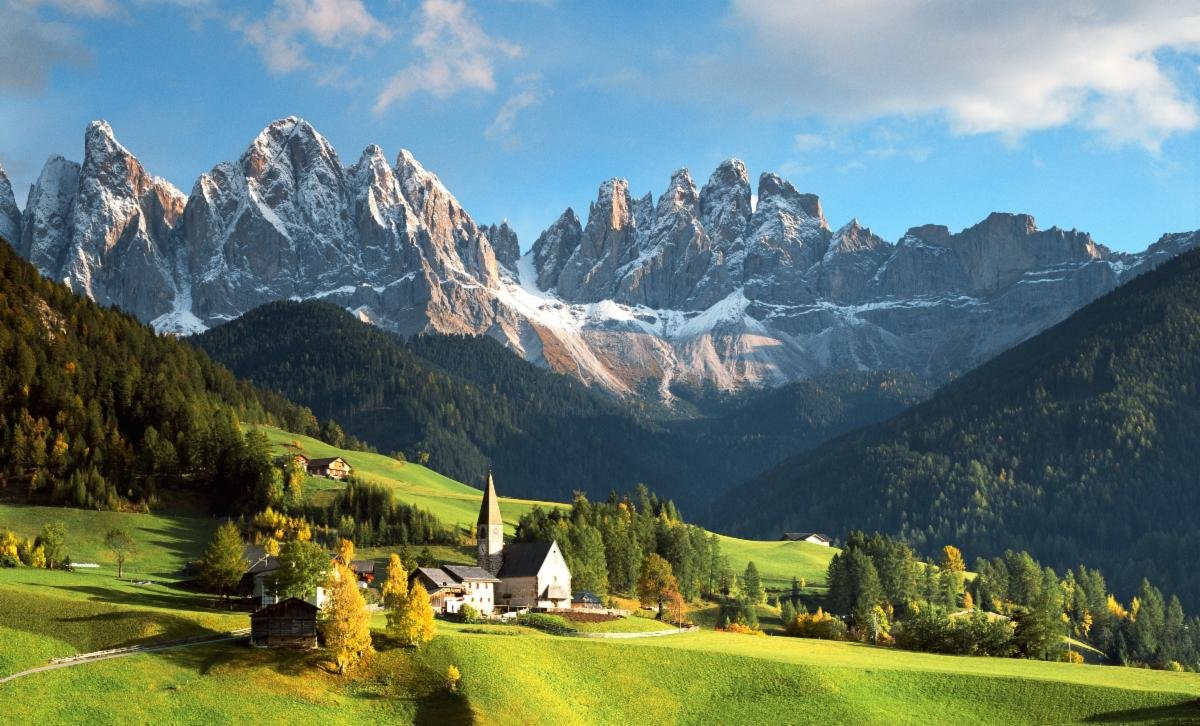
The park’s landscape is dominated by the Alps. Mountain peaks rise above valleys, while steep slopes are covered with forests, grasslands, rocks, and alpine vegetation. The terrain can change rapidly from gentle meadowland to steep rocky slopes.
Several roads and railway connections provide access to the surrounding region. Important nearby communities include Zernez, S-chanf, Scuol, and other settlements in the Engadine and adjacent valleys.
Zernez is particularly important for visitors because it is one of the main gateways to the park. The Swiss National Park Centre is also located in Zernez and provides information about the park’s ecosystems, history, wildlife, and conservation work.
4. Landscape and Natural Beauty
The beauty of the Swiss National Park comes from its diversity. The landscape is not limited to one type of scenery. Instead, visitors encounter forests, meadows, mountain streams, valleys, cliffs, rocky ridges, and high alpine environments.
In lower and middle elevations, forests create large areas of green landscape. Larch, Swiss stone pine, spruce, and other alpine trees contribute to the characteristic appearance of the park.
Above the tree line, the landscape becomes more open. Alpine grasses and flowering plants cover suitable areas, while rocks and gravel dominate exposed slopes. During summer, colorful flowers create striking contrasts against the surrounding mountains.
The combination of vegetation, mountains, clouds, sunlight, and changing weather produces a constantly changing landscape. A trail that looks completely different on a sunny morning may appear dramatic under clouds or evening light.
5. Mountains and Alpine Terrain
The Swiss National Park contains impressive alpine terrain. Some areas are relatively accessible, while others are steep and rugged. The mountains create habitats at different elevations, and each altitude zone has its own environmental conditions.
High mountain areas experience lower temperatures, stronger winds, longer snow seasons, and shorter growing periods. Plants and animals living at these elevations must be specially adapted to harsh conditions.
The geology of the region also contributes to the park’s visual character. Exposed rock formations, cliffs, scree slopes, and mountain ridges reveal the geological history of the Alps.
For hikers and photographers, these geological formations provide countless opportunities to observe the relationship between mountains and vegetation.
6. Wildlife of the Swiss National Park
The Swiss National Park is home to a remarkable variety of alpine wildlife. Because hunting and many other forms of human interference are prohibited within the park, animals can use the protected landscape as a relatively secure habitat.
Among the most famous animals found in the park are ibex, chamois, red deer, marmots, golden eagles, bearded vultures, and many other bird and mammal species.
Alpine Ibex
The Alpine ibex is one of the most recognizable animals of the Swiss Alps. Males have large curved horns and are powerful climbers. They can move confidently across steep rocky slopes that would be difficult for humans to navigate.
Seeing an ibex in its natural mountain environment is one of the memorable experiences visitors can have in the Swiss National Park. They are often associated with rocky slopes and high alpine areas.
Chamois
Chamois are agile mountain animals adapted to steep terrain. Their compact bodies, strong legs, and specialized hooves allow them to move across rocky slopes and alpine meadows.
They are usually cautious and may quickly move away when they sense danger. Visitors should therefore maintain a respectful distance and avoid disturbing them.
Red Deer
Red deer are another important species in the park. They can be observed in forested areas and open alpine landscapes. During autumn, the sound of roaring stags can become one of the most dramatic natural experiences in the region.
The annual rut is an important part of the deer life cycle. Male deer compete for access to females, creating powerful sounds that can echo through valleys and forests.
Marmots
Alpine marmots are among the most charming animals visitors may encounter. These large ground squirrels live in burrows and are commonly associated with alpine meadows.
Their loud warning whistles are often heard before the animals themselves are seen. Marmots spend much of the winter in hibernation and become active during the warmer months.
Golden Eagles
The golden eagle is one of the most impressive birds of prey in the Alps. With broad wings and excellent eyesight, it can soar above mountain valleys while searching for prey.
Watching a golden eagle glide across a mountain landscape can be an unforgettable experience for birdwatchers and photographers.
Bearded Vulture
The bearded vulture is another iconic Alpine bird. This large bird of prey has an unusual diet and plays an important ecological role by consuming bones and carrion.
The species has become an important symbol of Alpine conservation. Its presence reflects wider efforts to restore and protect wildlife populations in the mountain region.
7. Plants and Alpine Vegetation
The Swiss National Park contains many species of alpine plants. Vegetation changes according to altitude, exposure, soil, moisture, and climate.
Forests at lower elevations contain species adapted to colder mountain conditions. Larch trees are particularly characteristic of the Engadine landscape. Swiss stone pine is another important alpine tree.
Higher areas contain alpine grasses, low-growing plants, mosses, lichens, and colorful mountain flowers. These plants often grow close to the ground to survive strong winds, cold temperatures, and short growing seasons.
During summer, alpine meadows can become especially beautiful. Flowers attract bees, butterflies, and other insects, creating a complex ecological network.
Visitors should never pick flowers or remove plants. Even common-looking species are part of the protected ecosystem.
8. Forests of the National Park
Forests are an essential component of the Swiss National Park. They provide habitat, food, shelter, and nesting opportunities for many animals.
One of the most important principles of the park is that forests are generally allowed to develop naturally. When trees become old, damaged, or die, they are not automatically removed.
Dead trees may look unusual to visitors accustomed to managed forests, but they are extremely important for biodiversity. Fallen trunks provide homes for insects, fungi, microorganisms, and small animals.
Over time, dead wood decomposes and returns nutrients to the soil. This demonstrates how natural ecosystems recycle materials.
9. Rivers, Streams, and Water
Mountain water is another important part of the Swiss National Park ecosystem. Snow and rainfall feed streams that flow through valleys and slopes.
These waterways support aquatic organisms and contribute to the wider ecological system. During spring and early summer, melting snow can increase water flow significantly.
Mountain streams also add to the visual beauty of the park. The sound of flowing water combined with mountain scenery can make hiking particularly peaceful.
10. Hiking in the Swiss National Park
Hiking is one of the best ways to experience the Swiss National Park. The park contains a network of marked trails that allow visitors to explore different landscapes while respecting conservation rules.
Some trails are suitable for relatively experienced walkers, while others require stronger fitness and mountain-hiking skills. Visitors should always select routes according to their physical ability, weather conditions, equipment, and experience.
Unlike some protected areas where visitors can leave marked trails, the Swiss National Park has strict rules. Hikers are generally required to remain on designated paths.
This restriction is important because even a small number of people walking across sensitive vegetation can damage plants and disturb wildlife.
11. Popular Hiking Experiences
The park offers many hiking experiences ranging from forest walks to challenging mountain routes. One of the most popular areas is around the Ofen Pass, where visitors can access several trails and enjoy panoramic views.
The Val Trupchun valley is especially well known for wildlife observation. It provides opportunities to see deer and other animals in a beautiful alpine environment.
Another popular destination is the area around Il Fuorn, which provides access to several hiking routes and scenic viewpoints.
Hiking routes should always be checked before departure because trail conditions can change due to snow, storms, rockfall, maintenance, and seasonal restrictions.
12. Wildlife Watching
Wildlife watching in the Swiss National Park requires patience. Animals are not placed in artificial enclosures, so visitors cannot expect to see every species during every visit.
The best approach is to walk quietly, observe carefully, and use binoculars when possible. Early morning and late afternoon can sometimes provide good opportunities for wildlife observation.
Visitors should never chase animals, feed them, make loud noises to attract them, or approach them too closely.
Responsible wildlife observation protects animals while also creating a more authentic experience.
13. Photography in the Swiss National Park
The Swiss National Park is an outstanding destination for landscape photography. Mountains, forests, wildlife, flowers, streams, clouds, and changing light create endless photographic subjects.
Landscape photographers can capture wide views of alpine valleys and mountain ridges, while wildlife photographers can focus on ibex, marmots, deer, and birds.
A telephoto lens is useful for wildlife because maintaining distance is important. Wide-angle lenses can be useful for large landscapes.
Photography should never take priority over conservation. Photographers should remain on designated trails and avoid disturbing animals or vegetation to obtain a better picture.
14. Best Time to Visit
The best time to visit the Swiss National Park depends on the experience you want.
Spring
Spring brings the gradual return of vegetation after winter. Some trails may still have snow, particularly at higher elevations. Lower areas can begin showing fresh greenery and early flowers.
Summer
Summer is generally the most popular hiking season. Many trails are accessible, alpine flowers are abundant, and daylight hours are long.
However, summer weather can change quickly in the mountains. Afternoon thunderstorms are possible, so hikers should monitor weather forecasts.
Autumn
Autumn is one of the most beautiful seasons in the park. Larch forests can develop spectacular golden colors, while cooler temperatures make hiking pleasant.
Autumn is also an excellent season for observing red deer, especially during the rut.
Winter
Winter transforms the region into a snowy alpine landscape. However, the national park has seasonal restrictions and many hiking trails are not accessible in the same way as during summer.
Visitors planning a winter trip should carefully check official access information and local conditions.
15. Weather and Climate
Mountain weather can change rapidly. A sunny morning can be followed by clouds, rain, wind, or snow, especially at higher elevations.
Temperatures also vary significantly with altitude. Even during summer, high mountain areas can feel cold.
Visitors should carry suitable clothing, including layers and rain protection. Strong footwear is essential for many trails.
Checking the weather forecast before starting a hike is one of the most important safety steps.
16. What to Bring for a Visit
A successful trip to the Swiss National Park requires sensible preparation.
- Comfortable and sturdy hiking shoes
- Weather-resistant clothing
- Warm layers
- Water bottle
- Food or snacks for longer hikes
- Sun protection
- Hat and sunglasses
- Map or reliable navigation information
- Binoculars for wildlife watching
- Camera
- First-aid supplies
- Fully charged mobile phone
Visitors should avoid carrying unnecessary equipment and should plan according to the difficulty and duration of their selected trail.
17. Swiss National Park Centre
The Swiss National Park Centre in Zernez is an excellent starting point for visitors. It provides information about the park, its wildlife, geology, ecology, and history.
Exhibitions can help visitors understand what they see while hiking. Learning about the park before entering the wilderness can make the experience much more meaningful.
The visitor center is also useful for understanding current conditions, rules, and conservation information.
18. Rules of the Swiss National Park
The Swiss National Park has strict conservation rules. These rules are essential because the primary objective is to protect natural processes.
Visitors must stay on marked trails and should not enter restricted areas. Dogs are generally not permitted on park trails, and visitors should never disturb wildlife.
Picking flowers, collecting plants, removing rocks, hunting, fishing, camping outside permitted facilities, and making fires are prohibited activities within the protected area.
Feeding wild animals is also inappropriate because it can change their natural behavior and create dangerous situations.
19. Why Are the Rules So Strict?
The strict rules may seem unusual to some visitors, especially those who are used to national parks with fewer restrictions. However, the Swiss National Park was specifically established to allow natural processes to continue with minimal human interference.
If visitors were allowed to walk anywhere, collect plants, feed animals, camp freely, or remove natural materials, the park would gradually lose some of its wilderness character.
The rules therefore protect both wildlife and the visitor experience. They ensure that future generations can experience a landscape where nature remains the main force shaping the environment.
20. Conservation and Scientific Research
Scientific research is an important part of the Swiss National Park’s identity. Researchers have studied vegetation, wildlife, forests, climate, geology, and ecological succession for decades.
Because the park has been protected for such a long period, it provides a valuable opportunity to observe long-term ecological change.
Scientists can study how forests develop without conventional forestry management, how animal populations change, and how plants respond to environmental conditions.
The park therefore functions as both a protected landscape and an important outdoor research environment.
21. Natural Forest Development
One of the most interesting aspects of the Swiss National Park is the natural development of forests.
In many commercial forests, humans decide which trees should be removed, where new trees should be planted, and how the forest should be managed. In the national park, natural processes play a much greater role.
Storms may knock down trees. Insects may affect certain species. Old trees die naturally. New seedlings grow in spaces created by fallen trees.
These processes create a constantly changing forest ecosystem.
22. Alpine Meadows
Alpine meadows are among the most visually attractive habitats in the park. During summer, grasses and flowers create colorful landscapes surrounded by mountains.
These meadows provide food for herbivores and insects. They also support birds and other species that depend on open habitats.
Visitors should stay on trails because alpine vegetation can be fragile, particularly in areas with short growing seasons.
23. Geological Features
The mountains of the Swiss National Park reveal a complex geological history. The Alps were formed through enormous geological forces over millions of years.
Different types of rock appear throughout the region, creating cliffs, ridges, valleys, and slopes with distinct characteristics.
For geology enthusiasts, the park provides an opportunity to see geological structures directly in the landscape.
24. The Engadine Region
The Swiss National Park is part of the wider Engadine region, which is one of Switzerland’s most beautiful mountain areas.
The Engadine is known for high-altitude valleys, lakes, forests, traditional settlements, and dramatic Alpine scenery. Visitors can combine a national park trip with exploration of nearby towns and natural attractions.
The surrounding region also offers opportunities for hiking, cycling, skiing, cultural tourism, photography, and relaxation.
25. Zernez as a Gateway
Zernez is one of the most important access points for visiting the Swiss National Park. Its location makes it convenient for travelers arriving by public transport or road.
The town provides accommodation, restaurants, visitor services, and access to information about the park.
Staying in or near Zernez can be a practical choice for visitors who want to spend multiple days exploring the area.
26. Public Transportation
Switzerland is famous for its efficient public transportation system, and the region around the Swiss National Park can be reached by trains and buses.
Traveling by public transportation can be an environmentally friendly way to visit the park. It also allows visitors to enjoy the mountain scenery without worrying about driving on unfamiliar roads.
Because schedules can change seasonally, travelers should check current transportation information before departure.
27. Accommodation Near the Park
Visitors can find different types of accommodation in surrounding communities. Options may include hotels, guesthouses, holiday apartments, mountain accommodation, and other lodging facilities.
Zernez is a convenient base for many travelers. Other nearby Engadine communities can also provide accommodation depending on the planned itinerary.
During popular summer periods and holidays, booking accommodation in advance is recommended.
28. Food and Local Culture
A visit to the Swiss National Park can also be an opportunity to experience the food and culture of Graubünden.
The region has traditional Alpine cuisine influenced by mountain life and local agricultural traditions. Visitors may encounter dishes featuring potatoes, cheese, grains, meat, and other regional ingredients.
Traditional villages in the surrounding region also provide opportunities to experience architecture and cultural heritage.
29. Family Visits
The Swiss National Park can be an excellent destination for families interested in nature. Children can learn about animals, plants, mountains, geology, and conservation.
However, families should choose hiking routes according to the age and abilities of children. Mountain conditions can be challenging, and parents should supervise children carefully.
Educational exhibitions and visitor information can help make a family trip both enjoyable and informative.
30. Responsible Tourism
Responsible tourism is especially important in protected natural areas. Visitors should follow the principle of leaving no trace.
All waste should be carried out, wildlife should be observed from a distance, and trails should be respected.
Visitors should also avoid loud music and unnecessary noise. A quiet environment benefits wildlife and makes the experience more peaceful for other hikers.
31. Swiss National Park for Nature Lovers
Nature lovers will find the Swiss National Park particularly rewarding because it offers a rare combination of accessibility and wilderness.
Visitors can walk through landscapes where ecological processes have been allowed to continue for generations. This makes the park more than a scenic destination; it is a living example of natural conservation.
32. Swiss National Park for Birdwatchers
The park’s forests, alpine meadows, cliffs, and open mountain areas provide habitats for numerous bird species.
Birdwatchers may observe birds of prey soaring above mountain slopes, while forest species can be found among trees and vegetation.
Binoculars are highly recommended because many birds can be difficult to approach closely.
33. Swiss National Park for Photographers
Photographers can find subjects in almost every direction. Sunrise and sunset can create dramatic light over mountain peaks, while forests can provide interesting compositions throughout the day.
Wildlife photography requires patience and appropriate equipment. The best photographs are often achieved by observing animals rather than trying to approach them.
34. The Beauty of Autumn
Autumn deserves special attention because larch forests can transform into brilliant golden landscapes.
When golden trees contrast with dark evergreen forests and rocky mountain peaks, the scenery becomes especially dramatic.
Cooler temperatures also make long hikes more comfortable for many visitors, although weather conditions should always be considered.
35. Winter and Snowy Landscapes
Winter covers the mountain landscape with snow and creates a completely different atmosphere. Trees become covered with snow, valleys appear quieter, and mountain peaks stand against clear winter skies.
However, winter travel requires specialized preparation. Snow, ice, avalanche conditions, short daylight hours, and closed trails can make mountain travel more difficult.
Visitors should obtain current local information before entering winter mountain terrain.
36. Safety in the National Park
Mountain safety should always be taken seriously. Even well-marked hiking trails can become challenging in bad weather.
Visitors should tell someone about their hiking plans when appropriate, carry enough water, monitor weather conditions, and avoid taking unnecessary risks.
It is important to recognize personal limits. Turning back is always better than continuing when weather or physical conditions become unsafe.
37. Respecting Wildlife
Wild animals should always be treated as wild animals. Visitors should never attempt to touch, feed, chase, or photograph animals from dangerously close distances.
Using binoculars or telephoto lenses allows people to observe wildlife without causing stress.
Keeping a respectful distance is one of the simplest and most effective ways to support conservation.
38. Why the Swiss National Park Is Special
Many national parks around the world combine conservation with tourism, but the Swiss National Park has a particularly strong emphasis on natural processes.
Its long history of protection makes it valuable for ecological research and education. Visitors can see forests, wildlife, and landscapes that have been developing under relatively limited human interference.
The park demonstrates that conservation does not always mean maintaining a landscape exactly as it looks today. Sometimes the best conservation strategy is to allow nature to change naturally.
39. Educational Importance
The Swiss National Park provides an outdoor classroom for students, researchers, families, and nature enthusiasts.
It can teach visitors about food chains, biodiversity, climate, geology, forest ecology, animal behavior, and environmental protection.
Seeing these concepts in a real landscape can be much more powerful than learning about them only through books or screens.
40. Conservation Challenges
Although the park is protected, it is not isolated from global environmental changes. Climate change, changing snowfall patterns, temperature increases, invasive species, ecological shifts, and changing wildlife populations can influence alpine ecosystems.
Long-term scientific monitoring is therefore extremely important. Researchers can use information collected over many years to understand how ecosystems respond to changing conditions.
Protected areas like the Swiss National Park can serve as important reference sites for studying these changes.
41. Climate Change and the Alps
Mountain environments are particularly sensitive to climate change. Rising temperatures can influence snow cover, plant growth, insect populations, water availability, and the distribution of animal species.
Species adapted to cold alpine conditions may face increasing pressure if temperatures continue to rise.
The Swiss National Park provides scientists with an important place to monitor such changes over long periods.
42. A Place for Quiet Exploration
One of the greatest qualities of the Swiss National Park is its sense of peace. Unlike heavily developed tourist destinations, the park does not attempt to fill every area with entertainment or infrastructure.
The sound of wind through trees, flowing water, birds, and distant wildlife can become the main experience.
For people seeking a break from busy cities, the park provides an opportunity to slow down and reconnect with nature.
43. Planning a One-Day Visit
A one-day visit can provide an introduction to the park, although travelers should choose a realistic hiking route.
Start by checking weather and trail conditions. Visit the national park information center if time allows, then select a marked trail suitable for your fitness level.
Carry water, food, proper footwear, and weather protection. Allow enough time to return before darkness.
44. Planning a Multi-Day Visit
A multi-day trip provides more opportunities to experience different areas and landscapes.
Visitors can stay in surrounding communities and dedicate separate days to different valleys or hiking routes.
Multi-day travel also provides more opportunities for wildlife observation and photography because weather and animal activity vary from day to day.
45. Tips for First-Time Visitors
- Check official park information before traveling.
- Study the trail map carefully.
- Choose a route that matches your fitness level.
- Wear proper mountain footwear.
- Carry enough water and food.
- Stay on marked trails.
- Never feed wildlife.
- Keep a safe distance from animals.
- Take all rubbish with you.
- Respect seasonal restrictions.
- Check the weather before hiking.
- Start early for longer routes.
46. Frequently Asked Questions
What is the Swiss National Park famous for?
The Swiss National Park is famous for its alpine wilderness, wildlife, mountain scenery, strict conservation rules, natural forests, hiking trails, and long history of ecological research.
When was the Swiss National Park established?
The Swiss National Park was established in 1914 and became one of the earliest national parks in Europe.
Where is the Swiss National Park located?
It is located in southeastern Switzerland, in the canton of Graubünden, within the Engadine region.
What animals can be seen in the park?
Visitors may encounter Alpine ibex, chamois, red deer, marmots, golden eagles, bearded vultures, and many other species.
Can visitors feed animals?
No. Feeding wild animals is not permitted and can negatively affect their natural behavior.
Can visitors leave the hiking trails?
Visitors are required to remain on designated trails. This rule helps protect vegetation, wildlife, and sensitive habitats.
Can I camp inside the Swiss National Park?
Camping is not generally allowed freely inside the protected park area. Visitors should use appropriate accommodation and designated facilities outside the protected wilderness.
Is the Swiss National Park suitable for families?
Yes, families can enjoy the park, but hiking routes should be selected according to children’s ages, fitness levels, weather, and trail difficulty.
What is the best season to visit?
Summer is generally popular for hiking, while autumn is especially attractive because of colorful larch forests and wildlife activity.
Is the Swiss National Park open in winter?
Winter conditions significantly affect access and trail availability. Visitors should check current seasonal information before planning a winter trip.
What should I bring?
Important items include sturdy hiking shoes, water, food, warm layers, rain protection, sun protection, navigation information, and a fully charged phone.
Are dogs allowed?
Dogs are generally not permitted on the park’s hiking trails because of the need to protect wildlife and maintain the natural environment.
47. Final Thoughts
The Swiss National Park is much more than a beautiful mountain destination. It is an extraordinary example of long-term nature conservation, scientific research, and responsible tourism. Established in 1914, it has provided a protected environment where forests, plants, animals, and geological landscapes can develop according to natural processes.
From the impressive Alpine ibex climbing rocky slopes to marmots calling from mountain meadows, golden eagles flying above valleys, red deer moving through forests, and colorful alpine plants blooming during summer, the park offers countless opportunities to experience nature.
Its strict rules are an important part of its identity. Visitors are not simply entering a recreational area; they are entering a protected ecosystem. Staying on trails, respecting wildlife, avoiding litter, and following park regulations help preserve the landscape for future generations.
The surrounding Engadine region adds even more value to a visit. Mountain villages, traditional culture, scenic valleys, public transportation, accommodation, and local cuisine make it possible to build a complete travel experience around the national park.
Whether you are a hiker, photographer, birdwatcher, wildlife enthusiast, student, researcher, family traveler, or simply someone who loves beautiful landscapes, the Swiss National Park offers something special. Its greatest attraction is perhaps its simplicity: mountains, forests, wildlife, water, sky, and the freedom of natural processes.
In a world where many landscapes are increasingly influenced by human development, places like the Swiss National Park remind us why protected wilderness matters. The park demonstrates the value of giving nature space to grow, change, recover, and continue its own story.
For anyone exploring Switzerland’s natural wonders, the Swiss National Park deserves a place among the country’s most memorable destinations. Its combination of history, biodiversity, scientific importance, mountain scenery, and conservation makes it one of the most distinctive protected landscapes in Europe.