Kruger National Park
Kruger National Park: A Complete Guide to One of Africa’s Greatest Wildlife Destinations
Kruger National Park is one of Africa’s most famous wildlife destinations and one of the largest protected areas in South Africa. Located in the northeastern part of the country, the park is celebrated for its extraordinary wildlife, diverse landscapes, rich cultural heritage, and unforgettable safari experiences. Visitors from around the world come to Kruger to see elephants, lions, leopards, rhinoceroses, buffalo, giraffes, zebras, hippos, wild dogs, crocodiles, and hundreds of bird species in their natural habitats.
The park is more than simply a place to see wild animals. It is a vast ecosystem where rivers, grasslands, woodlands, rocky areas, wetlands, and forests support an enormous variety of life. Its size and ecological diversity make it possible to experience very different landscapes and wildlife environments during the same journey.
For travelers planning their first African safari, Kruger National Park offers an excellent combination of wildlife viewing, accessibility, accommodation choices, scenic beauty, and opportunities for both self-drive and guided experiences. Whether someone spends a single day exploring the park or several weeks traveling through different regions, Kruger can provide memorable encounters with nature.
1. Introduction to Kruger National Park
Kruger National Park covers a huge area in northeastern South Africa, stretching through the provinces of Limpopo and Mpumalanga. It forms part of the Greater Kruger landscape, a much larger conservation region that includes several private reserves and protected areas along its western and southern boundaries.
The park is famous for its free-ranging wildlife. Animals are not kept in small enclosures, and visitors travel through an enormous natural environment where wildlife behaves according to natural conditions. This creates the excitement that makes an African safari so special.
Kruger contains many different ecological zones. The northern part is generally more remote and has extensive areas of mopane woodland and rugged landscapes. Central areas provide excellent opportunities to encounter large mammals, while the southern region is particularly popular because of its accessibility and concentration of wildlife.
The park’s combination of wildlife, landscapes, rivers, archaeological sites, cultural history, and tourism infrastructure makes it one of the most important conservation destinations in Africa.
2. History of Kruger National Park
The history of Kruger National Park is closely connected with the development of wildlife conservation in southern Africa. Before the establishment of the modern park, the region supported Indigenous communities and diverse wildlife populations for centuries.
During the nineteenth century, hunting pressure increased significantly in many parts of southern Africa. Large numbers of wild animals were hunted for meat, hides, trophies, and other purposes. Disease, habitat changes, and other pressures also affected wildlife populations.
Growing concern about wildlife conservation eventually led to efforts to establish protected areas. In 1898, the Sabie Game Reserve was proclaimed under the administration of the South African Republic. This reserve became an important foundation for what would later become Kruger National Park.
James Stevenson-Hamilton became an important figure in the development of conservation in the region. Appointed as the first warden of the Sabie Game Reserve in 1902, he worked to reduce illegal hunting and promote the protection of wildlife.
In 1926, several protected areas were combined to form Kruger National Park. The park was officially opened to tourists in 1927. During the following decades, roads, camps, conservation programs, and tourism facilities gradually developed.
The park’s history demonstrates how changing attitudes toward wildlife helped transform a heavily exploited environment into one of Africa’s most important conservation landscapes.
3. Location and Geography
Kruger National Park is located in northeastern South Africa near the borders with Mozambique and Zimbabwe. Its eastern boundary connects with Mozambique, while the northern landscape approaches the border region of Zimbabwe.
The park extends for roughly 350 kilometers from north to south and covers approximately 19,000 square kilometers when its main protected area is considered. Its enormous size allows numerous habitats and ecological communities to exist within its boundaries.
Several important rivers cross or border the park. These waterways are essential for wildlife, particularly during dry periods. Rivers such as the Sabie, Olifants, Letaba, Crocodile, and Limpopo contribute to the park’s ecological richness.
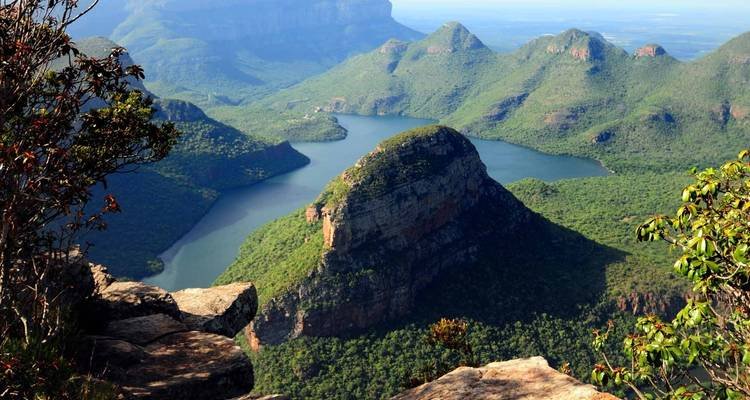
The landscape includes open savanna, mixed woodland, riverine vegetation, rocky hills, grasslands, and areas dominated by different tree species. This variety explains why wildlife distribution can change considerably from one section of the park to another.
4. The Climate of Kruger National Park
Kruger has a warm subtropical climate, with noticeable differences between the wet and dry seasons. The dry season is generally associated with cooler mornings, warm afternoons, and limited rainfall. The wet season brings higher temperatures, thunderstorms, green vegetation, and seasonal water sources.
Dry Season
The dry season is one of the most popular periods for safari. With less vegetation and fewer natural water sources, animals often gather around permanent rivers, dams, and waterholes. These conditions can make wildlife easier to locate.
Wet Season
During the wet season, the park changes dramatically. Grass becomes greener, trees produce new leaves, rivers and temporary streams receive water, and many animals give birth. Migratory and resident birds are also highly active.
The wet season can provide beautiful photographic conditions because of dramatic clouds, fresh vegetation, colorful sunsets, and young animals. However, dense vegetation can sometimes make wildlife more difficult to spot.
5. Wildlife in Kruger National Park
Wildlife is the main attraction of Kruger National Park. The park supports an enormous number of animal species and provides habitat for many of Africa’s most recognizable mammals.
Elephants
African elephants are among the most impressive animals found in Kruger. Large family groups can sometimes be seen moving through woodland, crossing roads, feeding beside rivers, or drinking at waterholes.
Elephants play an important ecological role. By pushing over trees, breaking branches, digging for water, and creating pathways, they can influence vegetation and provide opportunities for other species.
Lions
Lions are one of the park’s most sought-after predators. They live in social groups called prides and can often be found resting during the hottest parts of the day.
Early mornings and late afternoons are generally productive times for observing lions because temperatures are more comfortable and the animals become more active.
Leopards
Leopards are among the most exciting animals to find in Kruger. They are powerful, adaptable, and remarkably secretive. Their spotted coats provide excellent camouflage in woodland environments.
Leopards often rest in trees and may use branches to protect their prey from competing predators. Because they are solitary and elusive, finding one can feel like a special safari achievement.
Rhinoceroses
Both black and white rhinoceroses have historically been associated with Kruger National Park. Rhino conservation is particularly important because of the serious threat posed by illegal wildlife trafficking and poaching.
Visitors should always maintain a respectful distance and follow park regulations when observing rhinoceroses.
African Buffalo
African buffalo are powerful herbivores that often travel in herds. Large buffalo groups can create spectacular safari scenes, especially when they gather near water.
Buffalo are an important prey species for lions and contribute significantly to the ecological balance of the savanna.
Giraffes
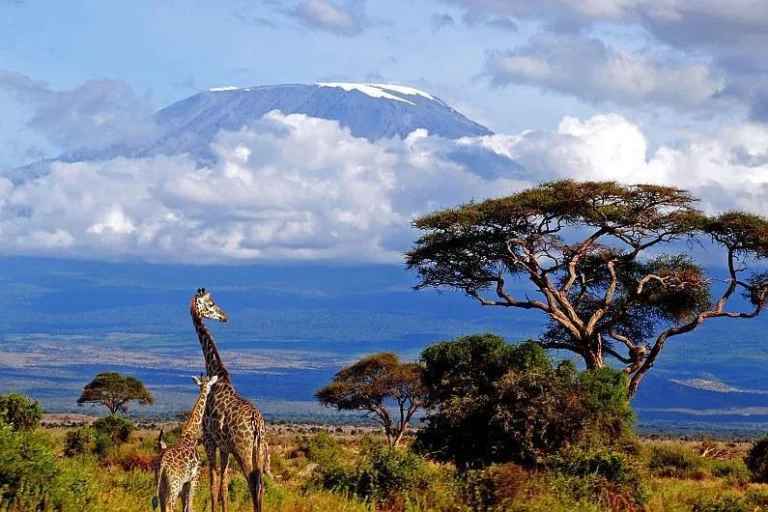
Giraffes are commonly associated with open woodland and savanna landscapes. Their long necks allow them to feed on leaves high above the ground, particularly from acacia and other suitable trees.
Seeing a giraffe walking across an open landscape against the African sky is one of the classic Kruger safari experiences.
Zebras
Plains zebras are another familiar sight. Their distinctive black-and-white patterns make them easy to recognize, and they are often seen in groups with other grazing animals.
Wildebeest
Wildebeest are important grazing animals in the park. They frequently occur in mixed groups with zebras and other herbivores, creating excellent opportunities for wildlife photography.
Hippopotamuses
Hippos are strongly associated with rivers, pools, and other permanent water sources. During the day they spend much of their time in water to stay cool. They usually become more active after sunset when they leave the water to feed.
Crocodiles
Nile crocodiles inhabit many of Kruger’s rivers and water bodies. They often lie motionless along riverbanks, waiting for opportunities to feed.
African Wild Dogs
African wild dogs are among the rarest and most exciting predators to see in the park. They live in highly social packs and are known for their distinctive coats and coordinated hunting behavior.
6. The Big Five
Kruger National Park is famous for the African Big Five: lion, leopard, elephant, rhinoceros, and buffalo.
The term originally referred to five difficult and dangerous animals to hunt on foot. Today, the phrase is primarily used by wildlife enthusiasts and safari travelers who hope to photograph these species in their natural environment.
Seeing all five during one visit is possible, but it is never guaranteed. Wildlife is free to move wherever it chooses, and every safari is different.
7. Birdlife in Kruger
Kruger is an outstanding destination for birdwatchers. Hundreds of bird species have been recorded across the park, making it possible to see colorful, large, small, resident, and migratory birds.
Commonly observed birds can include hornbills, eagles, vultures, rollers, kingfishers, storks, bee-eaters, herons, owls, and many smaller woodland species.
The wet season can be particularly rewarding for birdwatchers because many species become more active and migratory birds arrive in the region.
8. Plant Life and Vegetation
Kruger contains a remarkable variety of vegetation. Different soil types, rainfall patterns, rivers, temperatures, and elevations create distinct plant communities.
Mopane woodland is particularly characteristic of northern areas. Other parts contain mixed bushveld, grassland, acacia-dominated landscapes, and riverine vegetation.
Plants provide food and shelter for animals while also helping maintain soil stability and water cycles. Large herbivores depend directly on vegetation, while predators depend indirectly on plants through the prey species they hunt.
9. Rivers and Waterholes
Water is one of the most important elements of the Kruger ecosystem. During dry periods, rivers and permanent waterholes become especially important to wildlife.
Visitors may find elephants drinking, hippos resting, crocodiles lying on riverbanks, antelope approaching cautiously, and numerous birds gathering around water.
Some rest camps and viewpoints are positioned close to water sources, allowing visitors to observe wildlife without immediately needing to drive long distances.
10. Safari Experiences
Safari is the central visitor experience in Kruger National Park. There are several ways to explore the park.
Self-Drive Safari
Self-drive safaris give travelers the freedom to choose their routes and spend time observing wildlife at their own pace. This option is particularly attractive to experienced travelers who enjoy independent exploration.
However, visitors must follow speed limits, road regulations, and wildlife safety rules. Animals have priority, and visitors should never leave their vehicles except in designated safe areas.
Guided Game Drives
Guided game drives are an excellent choice for first-time visitors. Experienced guides understand animal behavior, tracks, habitats, and seasonal wildlife patterns.
A guide may notice a leopard hidden in vegetation or identify distant animal calls that an inexperienced visitor could easily miss.
Morning Drives
Morning drives can be highly productive because temperatures are cooler and many animals are still active. Predators may be returning from nighttime activity while herbivores begin feeding.
Evening Drives
Evening drives provide opportunities to observe animals that become active after sunset. Night drives can also reveal species that are rarely seen during daylight hours.
11. Walking Safaris
Walking experiences provide a completely different perspective on the African bush. Instead of observing wildlife from inside a vehicle, visitors experience sounds, smells, tracks, plants, insects, and small details at ground level.
Walking safaris must be conducted with trained guides because large wild animals can be dangerous. Participants learn about animal tracks, plants, geology, insects, and traditional uses of local vegetation.
12. Best Places and Regions to Explore
Kruger is so large that choosing where to travel can be challenging. Different regions have different landscapes and wildlife characteristics.
Southern Kruger
The southern region is popular because it is relatively accessible and offers excellent wildlife opportunities. The area around the Sabie River is particularly well known for wildlife viewing.
Central Kruger
Central Kruger contains broad grasslands and open landscapes that can support large concentrations of grazing animals. These areas can also attract predators.
Northern Kruger
The northern region is generally quieter and more remote. It offers a strong wilderness atmosphere and extensive woodland landscapes.
13. Popular Rest Camps
Kruger National Park has numerous rest camps that provide accommodation and essential visitor services. Each camp has its own atmosphere and surrounding environment.
Skukuza
Skukuza is one of the park’s major visitor centers and is located near the Sabie River. It offers a range of facilities and serves as an important base for exploring the southern park.
Lower Sabie
Lower Sabie is known for its attractive river setting and wildlife viewing opportunities. The surrounding roads can be productive for observing elephants, lions, hippos, antelope, and other species.
Satara
Satara is located in an area characterized by open grassland and savanna. The region is known for its large herbivore populations and predator sightings.
Olifants
Olifants Camp is associated with spectacular views over the Olifants River and surrounding landscapes. Its elevated position provides beautiful scenery.
Punda Maria
Punda Maria provides access to the northern part of the park and is suitable for visitors looking for a quieter wilderness experience.
14. Accommodation Options
Accommodation in and around Kruger ranges from basic campsites to comfortable lodges and luxury safari properties.
Visitors can choose according to budget, travel style, desired level of comfort, and location. Staying inside the park can provide convenient access to wildlife viewing routes, while private reserves outside the main park may offer specialized safari experiences.
15. Camping in Kruger
Camping is a popular option for travelers who want a closer connection with nature. Campsites allow visitors to sleep within the protected environment while following strict safety rules.
Campers should never leave food or other attractants unsecured. Wild animals can enter camps, and visitors must always follow instructions from park authorities.
16. Photography in Kruger National Park
Kruger is an exceptional destination for wildlife photography. Photographers can capture animals, landscapes, birds, sunsets, rivers, trees, and dramatic weather.
A telephoto lens is useful for wildlife because animals must be observed from a safe distance. A wide-angle lens can be helpful for landscapes and environmental portraits.
Patience is one of the most important photography skills. Wildlife does not follow a schedule, and sometimes the best photograph comes after waiting quietly for a long time.
17. Responsible Wildlife Tourism
Responsible tourism is essential in a protected environment. Visitors should never feed wild animals, chase animals with vehicles, make excessive noise, or attempt to attract wildlife for photographs.
Staying on authorized roads helps protect vegetation and reduces disturbance. Visitors should also dispose of waste properly and respect other travelers.
18. Conservation Work
Conservation is at the heart of Kruger National Park. Protecting such a large ecosystem requires cooperation between park authorities, scientists, local communities, researchers, tourism operators, and international conservation organizations.
Major conservation challenges include poaching, habitat pressures, human-wildlife conflict, climate variability, invasive species, and maintaining healthy populations of different species.
Rhino protection has received significant attention because illegal hunting for rhino horn has had devastating effects on populations across Africa.
19. Archaeological and Cultural Heritage
Kruger is not only a wildlife destination. The park also contains evidence of human occupation dating back thousands of years.
Archaeological sites, ancient settlements, rock art, stone tools, and other remains demonstrate that people have interacted with this landscape for a very long time.
The cultural history adds another dimension to a visit and reminds travelers that protected landscapes have human stories as well as ecological importance.
20. Things to Do in Kruger National Park
- Go on a guided game drive.
- Explore the park on a self-drive safari.
- Join a guided walking experience.
- Watch elephants near rivers and waterholes.
- Search for lions and leopards.
- Enjoy birdwatching.
- Photograph African landscapes.
- Visit archaeological and cultural sites.
- Enjoy sunrise and sunset views.
- Stay at a rest camp or safari lodge.
21. Best Time to Visit Kruger National Park
The best time depends on what a visitor wants to experience. The dry winter months are often preferred for traditional wildlife viewing because vegetation is less dense and animals frequently gather near permanent water.
The warmer rainy months provide green landscapes, newborn animals, dramatic skies, and excellent birdwatching opportunities.
There is no single perfect season. Each period offers a different version of Kruger.
22. How Long Should You Stay?
A short visit can provide a wonderful introduction, but staying several days allows travelers to explore different areas and increase their chances of seeing a wider variety of wildlife.
A three- to five-day trip can provide a good balance for first-time visitors. Longer stays are particularly rewarding for photographers, birdwatchers, wildlife enthusiasts, and travelers who want to explore northern and southern areas.
23. What to Pack
Visitors should prepare for changing temperatures and outdoor conditions.
- Lightweight clothing.
- A warm layer for cool mornings.
- Comfortable walking shoes.
- Sun protection.
- Hat and sunglasses.
- Binoculars.
- Camera and spare batteries.
- Drinking water.
- Insect protection.
- Personal medications and basic travel supplies.
24. Safety Tips
Kruger is a wilderness area containing powerful wild animals. Visitors should always take safety seriously.
- Remain inside the vehicle except in designated areas.
- Never approach wild animals.
- Follow posted speed limits.
- Do not feed animals.
- Keep a safe distance from elephants and other large animals.
- Follow camp rules.
- Listen carefully to guides and park officials.
- Do not walk outside designated areas after dark.
25. Family Travel to Kruger
Kruger can be an exciting destination for families. Children can learn about wildlife, conservation, ecosystems, geography, and African culture while experiencing nature directly.
Parents should choose accommodation and activities suitable for their children’s ages. Some safari activities may have age restrictions, so checking requirements before booking is important.
26. Kruger for Birdwatchers
Birdwatching can be enjoyed throughout the park. Different habitats attract different bird species, so moving between rivers, woodlands, grasslands, and wetlands can increase the diversity of sightings.
A pair of binoculars and a bird identification guide can make the experience much more rewarding.
27. Kruger for Nature Lovers
Travelers do not need to be focused only on the Big Five to enjoy Kruger. Smaller animals, insects, reptiles, plants, landscapes, tracks, and bird calls are equally important parts of the ecosystem.
Taking time to appreciate these details can transform a safari from a simple animal-searching trip into a deeper nature experience.
28. Why Kruger National Park Is Special
Kruger’s greatest strength is its scale. The park is large enough to support a complex ecosystem containing predators, herbivores, birds, reptiles, insects, trees, grasses, rivers, and countless smaller organisms.
Its extensive road network and accommodation system also make this wilderness accessible to a wide range of visitors. Travelers can choose between independent exploration and guided experiences.
29. Tips for a Successful Safari
- Start early whenever possible.
- Carry binoculars.
- Be patient when watching wildlife.
- Listen to bird and animal sounds.
- Use a good camera if photography is important to you.
- Explore different habitats.
- Respect wildlife distances.
- Follow all park rules.
- Keep an open mind because every drive is different.
- Enjoy the entire ecosystem rather than focusing only on the Big Five.
30. Frequently Asked Questions
What is Kruger National Park famous for?
Kruger is famous for its large protected wilderness area, diverse wildlife, African safari experiences, and populations of elephants, lions, leopards, rhinoceroses, and buffalo.
Where is Kruger National Park located?
Kruger National Park is located in northeastern South Africa, close to Mozambique and Zimbabwe.
Can you see the Big Five in Kruger?
Yes. Kruger supports lion, leopard, elephant, rhinoceros, and buffalo populations. However, seeing all five during one trip is never guaranteed because they move freely through the wilderness.
Is Kruger suitable for first-time safari travelers?
Yes. Its extensive tourism infrastructure, accommodation choices, roads, guided activities, and wildlife make it a popular destination for first-time safari visitors.
Can visitors drive themselves in Kruger?
Yes, self-drive safaris are an important part of the visitor experience. Drivers must follow park regulations and remain on authorized roads.
What animals can be seen in Kruger?
Wildlife can include elephants, lions, leopards, rhinoceroses, buffalo, giraffes, zebras, wildebeest, hippos, crocodiles, antelope, wild dogs, hyenas, monkeys, and many other species.
Is Kruger good for birdwatching?
Yes. The park supports a remarkable variety of bird species and is an excellent destination for bird enthusiasts.
How many days should I spend in Kruger?
Three to five days can provide a good introduction, while longer stays allow travelers to explore more regions and habitats.
What should I bring to Kruger?
Useful items include comfortable clothing, sun protection, binoculars, a camera, water, comfortable footwear, insect protection, and warm clothing for cooler mornings.
Is Kruger safe?
Kruger is a managed protected area, but it remains a wilderness containing dangerous animals. Visitors should follow all official safety rules and never approach wildlife.
31. Final Thoughts
Kruger National Park represents one of the world’s great wildlife destinations. Its enormous landscapes, rivers, forests, grasslands, animals, birds, cultural heritage, and conservation programs create an experience that goes far beyond an ordinary holiday.
From watching a herd of elephants cross a road to hearing lions calling across the night, from observing giraffes against an African sunset to discovering colorful birds in the trees, the park offers countless opportunities for memorable encounters with nature.
Its importance also extends beyond tourism. Kruger protects a major ecosystem and provides a refuge for species that face increasing pressure in many parts of the world. Responsible tourism helps support conservation and encourages visitors to understand why these wild spaces matter.
Whether you are interested in photography, wildlife, birdwatching, family travel, adventure, conservation, or simply experiencing the beauty of Africa, Kruger National Park offers something extraordinary. A journey through its landscapes can leave visitors with a deeper appreciation for wild animals and the natural systems that support them.
For anyone dreaming of an African safari, Kruger National Park deserves a place near the top of the list. Its combination of accessibility, biodiversity, history, scenery, and wilderness makes it a truly remarkable destination.