Dolomiti Bellunesi National Park
Dolomiti Bellunesi National Park: A Complete Guide to Italy’s Spectacular Mountain Wilderness
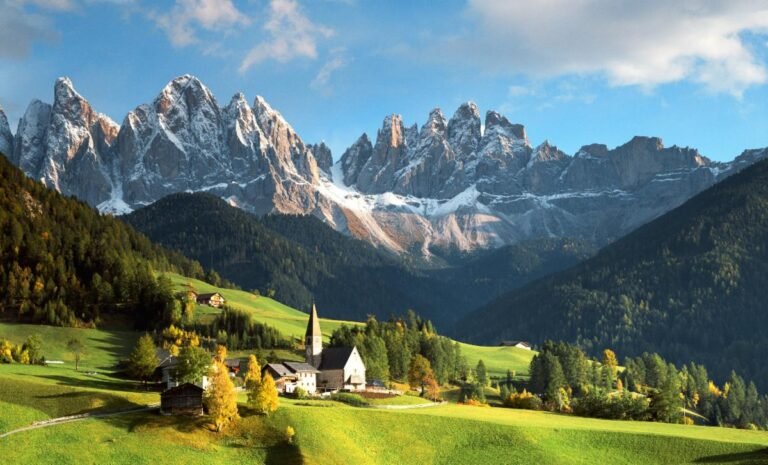
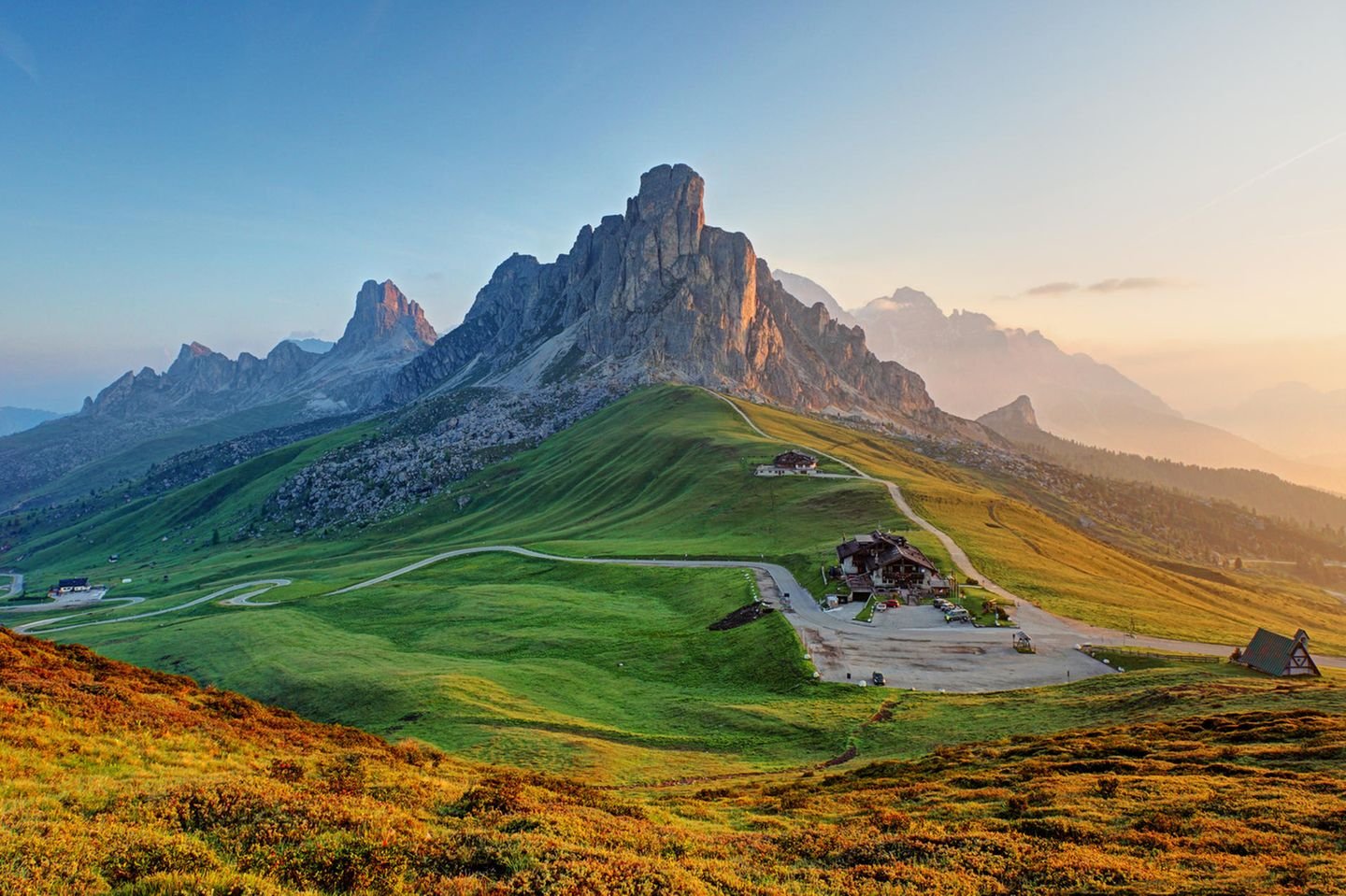
Dolomiti Bellunesi National Park is one of the most beautiful protected mountain landscapes in northern Italy.
Located in the Veneto region, the park is famous for its dramatic Dolomite peaks, deep valleys, alpine meadows,
forests, waterfalls, wildlife, hiking trails, and spectacular views. It is a destination where visitors can
experience the raw beauty of the Italian Alps while exploring a landscape shaped by geology, water, forests,
plants, animals, and centuries of human activity.
Introduction to Dolomiti Bellunesi National Park
Dolomiti Bellunesi National Park, known in Italian as Parco Nazionale delle Dolomiti Bellunesi,
is an extraordinary protected area in the Dolomites of northeastern Italy. The park lies mainly in the province
of Belluno and protects an extensive mountain environment containing rugged peaks, narrow gorges, high plateaus,
forests, streams, alpine grasslands, and remote valleys.
“`
Unlike many mountain destinations that are heavily developed for tourism, Dolomiti Bellunesi National Park
offers a strong sense of wilderness. Some areas are accessible by roads and well-established trails, while other
sections remain quiet and relatively remote. This combination makes the park attractive to hikers, photographers,
nature lovers, families, mountain enthusiasts, and travelers looking for a peaceful alternative to more crowded
Alpine destinations.
The Dolomites are internationally famous for their pale limestone formations that can appear almost white in
daylight and turn pink, orange, gold, and purple around sunrise and sunset. This remarkable phenomenon is commonly
associated with the mineral composition and structure of the Dolomite mountains. Within the Belluno area, these
mountains create an impressive setting for valleys and forests.
A visit to the park is not simply a mountain sightseeing experience. It can become an opportunity to understand
how geology, climate, water, vegetation, wildlife, and local culture interact. Every valley has its own character,
and every season changes the appearance of the landscape.
“`
Where Is Dolomiti Bellunesi National Park?
Dolomiti Bellunesi National Park is located in northeastern Italy, primarily within the province of Belluno in
the Veneto region. Belluno is the principal city of the surrounding province and is an important starting point
for exploring many parts of the park.
“`
The park is situated within the larger Dolomite mountain system. The Dolomites themselves extend across several
areas of northeastern Italy and are among Europe’s best-known mountain landscapes. The Belluno section is
particularly attractive because of its combination of dramatic peaks, forests, valleys, and relatively wild
environments.
Depending on the route chosen, visitors can approach different parts of the protected area from towns and
villages surrounding the park. Because the park covers a mountainous region rather than a single compact tourist
attraction, travel planning should take into account the specific valley, trailhead, refuge, or viewpoint that
you want to visit.
“`
History of the National Park
Dolomiti Bellunesi National Park was established in 1990 as part of Italy’s effort to protect important natural
and mountain environments. The creation of the park recognized the exceptional ecological, geological, and
landscape value of the Belluno Dolomites.
“`
Long before the park was established, people had lived and worked in these mountains. Traditional activities
included farming, forestry, livestock grazing, gathering natural resources, and movement between mountain
communities. Historic paths and mountain settlements remain important parts of the cultural landscape.
The national park system provides a framework for conserving these natural environments while allowing
responsible recreation and sustainable relationships with local communities. Conservation in a mountain park
requires balancing protection with hiking, scientific research, traditional land use, tourism, and public
education.
Today, the park represents an important example of protected mountain territory in Italy. Its purpose is not
only to preserve spectacular scenery but also to protect habitats, species, geological features, water systems,
forests, and cultural heritage.
“`
Why Dolomiti Bellunesi National Park Is Special
There are many reasons why Dolomiti Bellunesi National Park stands out among European mountain destinations.
One of its greatest strengths is the diversity of landscapes found within a relatively concentrated region.
“`
- High Dolomite mountain peaks
- Deep valleys and dramatic gorges
- Alpine meadows filled with wildflowers
- Large areas of mountain forest
- Waterfalls, streams, and springs
- Rare and interesting alpine plants
- Mountain wildlife
- Historic trails and rural settlements
- Excellent opportunities for hiking and photography
- Beautiful scenery in every season
The park also provides a valuable opportunity to see how different ecological zones change with elevation.
As hikers climb from lower valleys toward higher mountain environments, vegetation changes, temperatures fall,
and the landscape becomes increasingly alpine.
“`
The Dramatic Dolomite Landscape
The most recognizable feature of the park is its mountain scenery. The Dolomites are famous for their
extraordinary rock formations, vertical walls, towers, ridges, and cliffs. These formations were created through
a long geological history involving ancient marine environments, sediment accumulation, uplift, erosion,
weathering, and glacial activity.
“`
The mountains are largely composed of carbonate rocks, especially dolomite and limestone. Over millions of years,
natural forces carved the rock into the spectacular forms visible today.
From a distance, some peaks appear smooth and rounded, while others rise sharply above surrounding forests and
valleys. In certain locations, enormous vertical cliffs create a dramatic contrast with green meadows and dark
forests.
Weather plays a major role in the appearance of the landscape. Clouds can move rapidly through mountain valleys,
creating completely different views within minutes. After rain, waterfalls become stronger and vegetation appears
especially vibrant. On clear days, distant ridges and peaks can be visible across the horizon.
“`
Geology of Dolomiti Bellunesi National Park
The geological history of the Dolomites is one of the reasons the region is so fascinating. The rocks originated
from environments that existed hundreds of millions of years ago, including ancient marine ecosystems. Over
geological time, tectonic movements raised these deposits and transformed the region into a mountain landscape.
“`
Erosion then became a major force. Rivers, ice, frost, snow, wind, and changing temperatures gradually shaped the
mountains. Glaciers were particularly important during periods of colder climate, carving valleys and modifying
mountain slopes.
Today, visitors can see evidence of these processes in cliffs, rock layers, valleys, ridges, scree slopes, and
distinctive peaks. The park is therefore valuable not only for recreation but also for geological study and
environmental education.
“`
Forests of the Park
Forests cover large portions of Dolomiti Bellunesi National Park. Depending on altitude, soil, exposure, and
climate, visitors can encounter different types of woodland.
“`
Coniferous trees are an important component of higher mountain forests, while deciduous species occur in lower
and warmer areas. Spruce, fir, larch, beech, and other mountain trees contribute to the rich variety of habitats.
Forests provide shelter and food for wildlife, stabilize mountain slopes, store carbon, protect soil, and help
regulate water systems. They also create beautiful hiking environments, particularly in autumn when leaves turn
yellow, orange, and brown.
Walking through the forest can provide a completely different experience from hiking above the tree line.
Instead of panoramic views, visitors may hear birds, flowing water, wind through the branches, and the sounds of
wildlife hidden among the vegetation.
“`
Alpine Meadows and Wildflowers
During the warmer months, alpine meadows become one of the most colorful environments in the park. Wildflowers
appear between grasses and rocks, creating natural gardens across mountain slopes and open plateaus.
“`
Alpine plants have adapted to difficult conditions. At higher elevations, growing seasons are short, temperatures
can change quickly, and strong winds can affect vegetation. Many species therefore have specialized adaptations
that allow them to survive.
Visitors should avoid picking flowers or damaging plants. Some alpine species may be uncommon or locally
protected, and even apparently ordinary vegetation plays an important role in mountain ecosystems.
“`
Wildlife in Dolomiti Bellunesi National Park
The park supports a wide range of wildlife because it contains forests, grasslands, rocky habitats, streams,
cliffs, and different elevations. Seeing animals in the wild is never guaranteed, but patient visitors may notice
birds, mammals, insects, and other creatures.
“`
Chamois
Chamois are among the characteristic mountain mammals of the Alps. They are agile animals capable of moving
quickly across steep rocky terrain. Their ability to navigate cliffs and slopes makes them perfectly adapted to
the mountain environment.
Roe Deer
Roe deer may be found in forest and meadow environments. They are generally cautious and can disappear quickly
when they detect people. Early morning and evening can provide better opportunities for wildlife observation.
Marmots
Marmots are familiar alpine mammals that live in burrows. Their whistles can sometimes alert hikers to their
presence before the animals are visible.
Birds of Prey
Mountain landscapes provide excellent habitat for birds of prey. Eagles and other raptors may be seen flying above
cliffs and valleys. Their presence demonstrates the ecological importance of large, relatively undisturbed
mountain environments.
Other Wildlife
The park also supports numerous smaller mammals, birds, reptiles, amphibians, insects, and other organisms.
Streams and wetlands provide additional habitats for species associated with freshwater environments.
“`
Hiking in Dolomiti Bellunesi National Park
Hiking is one of the best ways to experience Dolomiti Bellunesi National Park. The protected area contains routes
ranging from relatively gentle walks to demanding mountain adventures.
“`
Beginners should choose marked trails that match their fitness and experience. More experienced hikers can explore
longer routes involving significant elevation gain, steep terrain, exposed sections, or challenging mountain
conditions.
Before beginning a hike, it is important to study the route, weather forecast, trail conditions, elevation
changes, estimated walking time, water availability, and return options. Mountain weather can change quickly,
even when conditions appear perfect at the beginning of the day.
Easy Nature Walks
Easy walks are suitable for visitors who want to enjoy forests, streams, meadows, and viewpoints without
attempting a demanding climb. These walks can also be ideal for families and photographers.
Moderate Mountain Trails
Moderate routes usually involve longer distances and greater elevation gain. They may lead through forests and
meadows toward mountain viewpoints or passes.
Challenging Routes
Experienced hikers may choose demanding routes involving steep slopes, rocky terrain, and substantial elevation
changes. Proper equipment, route knowledge, and mountain experience are essential.
“`
Best Hiking Experience
A good hiking day in the park begins with preparation. Comfortable hiking footwear is essential because mountain
trails can include loose rocks, mud, roots, steep slopes, and uneven surfaces.
“`
Carry sufficient water and food, particularly when hiking away from populated areas. A map or reliable navigation
system is also recommended. Mobile phone coverage can vary in mountainous terrain, so hikers should not depend
entirely on a phone.
Lightweight rain protection is useful because mountain weather can change unexpectedly. In cooler seasons, warm
clothing may be necessary even when temperatures in nearby towns are comfortable.
“`
Waterfalls and Mountain Streams
Water is an important part of the park’s landscape. Mountain streams descend from higher elevations through
valleys, forests, and rocky channels. During periods of snowmelt or heavy rainfall, some waterfalls become
especially impressive.
“`
These waterways are important ecosystems. They provide habitat for aquatic organisms and contribute to the larger
river systems of the region. Water also shapes the landscape by eroding rock and transporting sediment through
mountain valleys.
Visitors should be careful around waterfalls and fast-moving streams. Wet rocks can be extremely slippery, and
steep edges can be dangerous.
“`
Mountain Valleys
Valleys are among the most beautiful parts of Dolomiti Bellunesi National Park. They provide access routes into
the mountains and often contain forests, rivers, meadows, historic paths, and small settlements.
“`
The shape of each valley influences sunlight, vegetation, weather, and human settlement. Some valleys feel open
and spacious, while others are narrow and surrounded by towering cliffs.
Exploring a valley slowly can reveal details that are easy to miss from a high viewpoint. Old stone buildings,
wooden structures, traditional paths, grazing animals, wildflowers, and streams can all contribute to the
experience.
“`
Seasonal Beauty
“`
Spring
Spring brings increasing warmth and renewed vegetation. Lower elevations may become green early, while snow can
remain on higher mountains. Waterfalls and streams may be particularly lively because of snowmelt.
Summer
Summer is one of the most popular seasons for hiking. Alpine meadows are often colorful, trails become more
accessible, and long daylight hours provide plenty of time for outdoor activities.
Autumn
Autumn is famous for its beautiful forest colors. Trees can turn yellow, orange, and brown, contrasting with the
pale mountain peaks. Cooler temperatures can make hiking pleasant, although daylight becomes shorter.
Winter
Winter transforms the park into a snowy mountain environment. Some trails and high-altitude areas become
inaccessible or require specialist equipment and experience. Winter visitors should carefully check conditions
before entering mountainous terrain.
“`
Best Time to Visit Dolomiti Bellunesi National Park
The best time to visit depends on the activities you want to enjoy. For general hiking and sightseeing, late
spring through early autumn can provide favorable conditions, although conditions vary significantly by elevation.
“`
Summer generally offers the greatest accessibility, while autumn can provide excellent scenery and quieter trails.
Spring is attractive for waterfalls and fresh vegetation, while winter is suitable for travelers who are prepared
for snow and cold mountain conditions.
Always check current weather and trail conditions before traveling. A mountain destination can have very
different conditions from a nearby city.
“`
Photography at Dolomiti Bellunesi National Park
Dolomiti Bellunesi National Park is an excellent destination for landscape photography. The combination of rock
formations, forests, meadows, clouds, streams, and changing light creates countless photographic opportunities.
“`
Sunrise and sunset can be especially beautiful because the low-angle sunlight can create warm colors across the
mountain walls. The famous changing colors of the Dolomites can become particularly dramatic under certain
weather and lighting conditions.
Photographers should also look beyond large panoramic views. Close-up photographs of flowers, leaves, rocks,
streams, insects, and forest details can tell a different story about the park.
“`
Responsible Tourism
Protected mountain landscapes require responsible behavior. Visitors should follow marked trails, respect
wildlife, avoid disturbing animals, take rubbish home, and follow park regulations.
“`
Campfires should only be made where officially permitted. Visitors should never leave plastic, food packaging,
tissues, bottles, or other waste in the environment.
Dogs should be managed according to local regulations, especially in areas where wildlife is present. Keeping
distance from wild animals is essential because approaching them can cause stress and interfere with natural
behavior.
Responsible tourism helps ensure that future generations can experience the same landscapes.
“`
Traditional Culture Around the Park
The mountains surrounding the park are not empty wilderness. They are landscapes shaped by generations of people.
Traditional agriculture, livestock grazing, forestry, architecture, food, paths, and local customs have all
contributed to the cultural identity of the Belluno area.
“`
Mountain villages often contain stone buildings, wooden structures, churches, traditional farmhouses, and other
features reflecting local history.
Visitors interested in culture should spend time in local communities rather than visiting only mountain
viewpoints. Local museums, food traditions, historic settlements, and community events can provide a deeper
understanding of the region.
“`
Local Food and Mountain Cuisine
Food is an important part of traveling through the Belluno and Dolomite region. Traditional mountain cuisine was
historically based on ingredients that could be produced or stored locally.
“`
Depending on the area, visitors may find dishes based on grains, potatoes, cheese, mushrooms, vegetables, meat,
and other regional ingredients. Polenta is an important traditional food in many parts of northern Italy and is
often served with hearty mountain dishes.
Local restaurants and mountain refuges can provide opportunities to taste regional specialties after a day of
hiking. Food experiences can make a mountain trip more memorable and provide a connection to local traditions.
“`
Mountain Refuges and Accommodation
Mountain refuges, known in Italy as rifugi, are an important part of the hiking culture of the Dolomites.
They can provide meals, rest, and overnight accommodation along certain mountain routes.
“`
Visitors planning to stay in a refuge should check opening periods, reservation requirements, services, access
routes, and current conditions before departure. Facilities can vary considerably between locations.
Travelers who prefer greater comfort can stay in hotels, guesthouses, agriturismo properties, and holiday
accommodations in nearby towns and villages. Staying outside the park can also make it easier to explore several
different trailheads during a longer trip.
“`
How to Plan a Visit
Planning a visit to Dolomiti Bellunesi National Park begins with deciding what type of experience you want.
Someone interested in photography may prioritize viewpoints and sunrise locations, while a hiker may focus on
trail networks and mountain refuges.
“`
- Choose the season of travel.
- Select the specific area of the park you want to explore.
- Research suitable trails and viewpoints.
- Check weather and mountain conditions.
- Choose suitable accommodation.
- Prepare hiking clothing and footwear.
- Carry water, food, navigation equipment, and basic safety supplies.
- Respect park regulations and protected habitats.
“`
Getting Around the Region
Because Dolomiti Bellunesi National Park covers a large mountainous area, transportation planning is important.
Some locations can be reached relatively easily from nearby towns, while trailheads in remote valleys may
require additional travel.
“`
A private vehicle can provide flexibility for visitors who want to explore several trailheads. Public transport
may be useful in some areas, but schedules can vary depending on season and location.
Travelers should identify the exact starting point of a hike before setting out. A general destination such as
“Dolomiti Bellunesi National Park” is not enough for navigation because the protected area includes many separate
valleys and access points.
“`
Safety in the Mountains
Mountain environments are beautiful but can be unpredictable. Even experienced hikers should take safety
seriously.
“`
Check the forecast before leaving and avoid routes that exceed your abilities. Thunderstorms can create dangerous
conditions on exposed ridges and near cliffs. Heavy rain can make streams rise and trails slippery.
Carry enough food and water and tell someone about your planned route when hiking in remote areas. If you are
unfamiliar with mountain navigation, consider joining a guided hike.
Never underestimate elevation gain. A trail may appear short on a map but can become physically demanding when
steep climbs and rough terrain are involved.
“`
Family Visits
Families can enjoy Dolomiti Bellunesi National Park, particularly when they choose easy trails and accessible
natural attractions. Children can learn about forests, wildlife, geology, plants, and mountain weather while
enjoying outdoor activities.
“`
Parents should choose trails appropriate for the children’s age and experience. Young children should be closely
supervised around streams, cliffs, steep paths, and slippery rocks.
A short nature walk can sometimes be more enjoyable for children than a long hike. Activities such as identifying
birds, looking for animal tracks, observing flowers, and photographing unusual rocks can turn a simple walk into
an educational adventure.
“`
Dolomiti Bellunesi for Adventure Travelers
Adventure travelers can find numerous opportunities for challenging outdoor experiences in and around the park.
Hiking, mountaineering, climbing, trekking, and other mountain activities attract experienced outdoor enthusiasts.
“`
More demanding activities require specialist knowledge and equipment. Visitors should understand the difference
between ordinary hiking and technical mountaineering before choosing a route.
Guided activities can be an excellent option for travelers who want to experience difficult terrain without
navigating it alone.
“`
Quiet Places and Slow Travel
One of the best ways to experience the park is to slow down. Instead of trying to visit many locations in one
day, travelers can choose a valley and spend several hours walking, photographing, observing nature, and enjoying
the landscape.
“`
Slow travel also allows visitors to notice seasonal details. The sound of a mountain stream, the scent of pine
trees, the movement of clouds, and the changing light across the cliffs can become as memorable as famous
viewpoints.
“`
Environmental Importance
National parks play an important role in protecting biodiversity. By conserving large connected habitats,
protected areas provide wildlife with places to feed, reproduce, move, and shelter.
“`
Mountain ecosystems are especially important because they contain species adapted to specific elevations and
environmental conditions. Climate change, habitat changes, extreme weather, and human pressure can affect these
ecosystems.
Protecting the park therefore benefits not only tourism but also scientific research, water resources, biodiversity,
climate resilience, and future generations.
“`
Climate and Weather
Weather conditions vary greatly across Dolomiti Bellunesi National Park because of differences in elevation and
terrain. Lower valleys can be significantly warmer than high mountain areas.
“`
Mountain clouds may develop quickly, and rain or thunderstorms can arrive unexpectedly. Snow can remain at higher
elevations well after it has disappeared from valleys.
For this reason, travelers should always check a mountain-specific forecast rather than relying only on the
weather forecast for a nearby city.
“`
What to Pack
The exact equipment required depends on the season and activity, but a typical hiking trip may require:
“`
- Comfortable hiking boots or shoes
- Waterproof jacket
- Warm layers
- Hat and sun protection
- Reusable water bottle
- Food and snacks
- Map or navigation device
- Fully charged mobile phone
- Small first-aid kit
- Headlamp for longer or remote routes
- Personal medications if required
- Camera or binoculars for nature observation
“`
Tips for First-Time Visitors
First-time visitors should avoid trying to do everything in a single day. The park is best experienced through
carefully selected locations and trails.
“`
Start with an easier route if you are unfamiliar with the terrain. Learn how much elevation gain is involved
rather than judging a hike only by distance.
Begin hikes early enough to allow plenty of time for unexpected delays. Keep an eye on the sky and turn around
when conditions become unsafe.
Most importantly, respect the mountains. Beautiful scenery can create a false impression of safety, but steep
terrain, changing weather, and remote locations require preparation.
“`
Why Nature Lovers Should Visit
Nature lovers will find exceptional diversity in Dolomiti Bellunesi National Park. From forest floors covered
with plants to high rocky cliffs where birds of prey soar, the park contains many different environments.
“`
The changing seasons make the experience even richer. A trail visited in summer can look completely different in
autumn or winter. Water levels, vegetation, snow, wildlife activity, and light all change throughout the year.
“`
Why Photographers Should Visit
The park offers a wide range of subjects for photographers. Large landscapes provide dramatic compositions,
while forests, flowers, wildlife, waterfalls, and traditional architecture offer smaller subjects.
“`
Early morning can provide soft light and fewer visitors. Evening light can create warm colors across the
mountains. Clouds are not necessarily a problem for landscape photography; they can add depth and atmosphere to
photographs.
“`
Why Dolomiti Bellunesi Is Different from Crowded Mountain Destinations
The Dolomites contain many famous tourist destinations, but Dolomiti Bellunesi National Park offers a different
experience in many areas. Instead of focusing only on iconic viewpoints, visitors can explore a protected
landscape where forests, valleys, wildlife, and traditional mountain environments remain central to the
experience.
“`
Travelers who enjoy quieter trails and natural environments may especially appreciate the park. The experience is
less about checking famous locations off a list and more about spending meaningful time in a mountain ecosystem.
“`
One-Day Visit Idea
A one-day visit should focus on a manageable section of the park. Begin early with a scenic walk, spend the
middle of the day exploring a forest or mountain trail, enjoy a local meal, and finish with a viewpoint if
conditions allow.
“`
Avoid trying to cross the entire park in one day. Distances that appear short on a map can take much longer in
mountainous terrain.
“`
Multi-Day Adventure
A multi-day trip provides a much better opportunity to understand the park. Travelers can stay in a nearby town
or mountain refuge and explore different valleys on different days.
“`
A multi-day itinerary can combine easy walks, longer hikes, cultural visits, photography, local food, and scenic
drives. It also allows travelers to adjust plans according to weather conditions.
“`
Respecting Wildlife
Wildlife observation should always be conducted responsibly. Never chase animals, attempt to touch them, feed
them, or block their movement for photographs.
“`
Binoculars are useful because they allow visitors to observe animals from a safe distance. Quiet behavior can
increase the chance of seeing wildlife while reducing disturbance.
“`
Preserving the Park for Future Generations
The future of Dolomiti Bellunesi National Park depends on responsible management and responsible visitors.
Tourism provides economic opportunities for local communities, but excessive pressure can damage trails, habitats,
vegetation, and wildlife.
“`
Simple actions make a difference. Staying on marked paths, carrying rubbish out, avoiding unnecessary noise,
respecting wildlife, and following local rules all contribute to conservation.
Visitors can also support local businesses that operate responsibly. Choosing locally owned accommodation,
restaurants, guides, and services can help keep tourism benefits within mountain communities.
“`
Frequently Asked Questions
“`
What is Dolomiti Bellunesi National Park?
Dolomiti Bellunesi National Park is a protected mountain area in the Veneto region of northeastern Italy. It
protects forests, alpine meadows, valleys, streams, wildlife habitats, and spectacular Dolomite landscapes.
Where is Dolomiti Bellunesi National Park located?
The park is located mainly in the province of Belluno in the Veneto region of northern Italy.
What is the park famous for?
The park is famous for dramatic Dolomite peaks, forests, alpine landscapes, wildlife, waterfalls, hiking trails,
geological formations, and peaceful mountain scenery.
Is Dolomiti Bellunesi National Park good for hiking?
Yes. Hiking is one of the main ways to explore the park. There are routes suitable for different experience
levels, although visitors should always choose trails according to their abilities and current conditions.
What animals can be seen in the park?
Wildlife includes mountain mammals such as chamois, roe deer, and marmots, along with many bird species and
other alpine wildlife.
When is the best time to visit?
Late spring, summer, and early autumn are popular periods for hiking and sightseeing. Autumn is particularly
attractive for colorful forests, while winter offers snowy mountain scenery for suitably prepared visitors.
Can families visit Dolomiti Bellunesi National Park?
Yes. Families can enjoy easier trails, nature walks, scenic viewpoints, and educational outdoor experiences.
Parents should select routes suitable for children and supervise them around steep terrain and water.
Is the park suitable for photography?
Absolutely. The combination of dramatic mountains, forests, flowers, wildlife, streams, and changing light makes
the park an excellent destination for landscape and nature photography.
Is winter safe in the park?
Winter conditions can be challenging. Snow, ice, shorter daylight hours, and avalanche risks in some mountain
environments mean that visitors need appropriate equipment, experience, and current local information.
How should visitors protect the environment?
Visitors should remain on marked trails, avoid disturbing wildlife, never leave rubbish, respect vegetation,
follow local regulations, and avoid unnecessary noise.
“`
Conclusion
Dolomiti Bellunesi National Park is a remarkable destination for anyone who appreciates mountains, forests,
wildlife, geology, hiking, photography, and peaceful natural landscapes. Its combination of dramatic Dolomite
peaks, deep valleys, alpine meadows, forests, streams, wildlife habitats, and traditional mountain culture makes
it one of the most fascinating protected areas in northern Italy.
“`
The park offers something for many types of travelers. Hikers can discover beautiful trails, photographers can
capture extraordinary landscapes, families can explore nature together, and experienced mountain enthusiasts can
seek more demanding adventures.
Perhaps the greatest attraction of Dolomiti Bellunesi National Park is its sense of authenticity. The mountains
are not simply scenery placed around a tourist attraction. They are living ecosystems shaped by geology, weather,
plants, animals, water, and people.
Whether you visit for a single peaceful walk or spend several days exploring its valleys and mountains, the park
provides an opportunity to slow down and reconnect with nature. With thoughtful planning and responsible travel,
Dolomiti Bellunesi National Park can become an unforgettable part of an Italian mountain journey.
“`