Tasman National Park
Abel Tasman National Park: A Complete Guide to New Zealand’s Coastal Paradise
Abel Tasman National Park is one of New Zealand’s most beautiful natural destinations, famous for its golden beaches,
turquoise waters, native forests, dramatic coastal scenery, wildlife, walking trails, kayaking opportunities, and peaceful
atmosphere. Located at the northern end of New Zealand’s South Island, the park combines spectacular coastline with lush
vegetation and a rich history. It is an ideal destination for travelers who enjoy nature, hiking, beaches, photography,
kayaking, wildlife, and outdoor adventures.
Introduction to Abel Tasman National Park
Abel Tasman National Park is a remarkable coastal national park in the Tasman region of New Zealand’s South Island.
Although it is the smallest national park in New Zealand by land area, it is one of the country’s most popular parks.
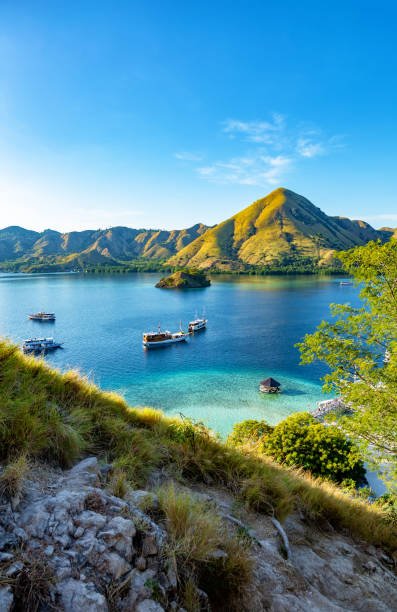
Its relatively compact size contains an extraordinary variety of landscapes, including sheltered bays, golden sandy
beaches, rocky headlands, native forests, tidal estuaries, islands, streams, and coastal cliffs.
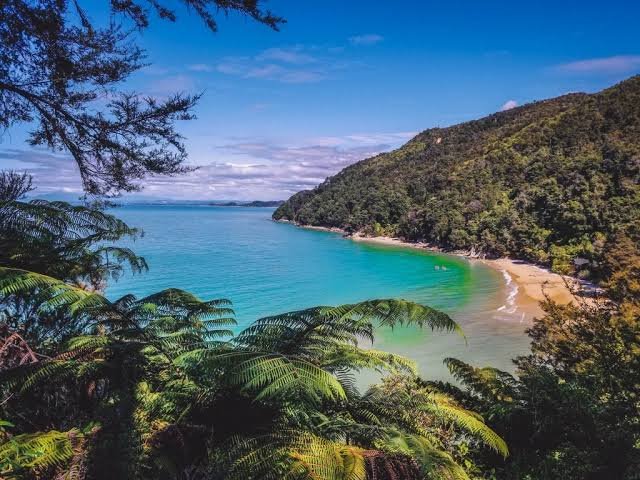
The park is particularly well known for its beautiful coastline. Unlike many mountain-focused national parks in New
Zealand, Abel Tasman offers visitors a landscape where beaches and forests meet directly. The combination of warm-looking
golden sand, clear coastal water, green hills, and native vegetation creates scenery that feels almost tropical in some
locations, despite the park being in a temperate part of the Southern Hemisphere.
Abel Tasman National Park is also famous for the Abel Tasman Coast Track, one of New Zealand’s Great Walks. The track
follows much of the coastline and gives walkers opportunities to experience beaches, forests, viewpoints, streams, and
tidal areas. Visitors can complete longer multi-day journeys or enjoy shorter sections as day trips.
Another major attraction is sea kayaking. The protected coastline contains numerous bays and sheltered waters, making the
area particularly attractive for paddling. Kayakers can explore beaches and coves from the water while enjoying a
different perspective of the park’s forests and cliffs.
Where Is Abel Tasman National Park?
Abel Tasman National Park is situated in the northern part of New Zealand’s South Island, along the Tasman Bay coastline.
The park lies within the Tasman region and is relatively close to towns such as Motueka and Takaka. Nelson is another
important nearby city and is commonly used as a base by travelers exploring the wider region.
The park’s coastal position gives it a distinctive climate and landscape. The coastline faces Tasman Bay and contains
numerous sheltered areas. Inland sections rise into forested hills, while the shoreline is characterized by beaches,
rocky points, estuaries, and small islands.
Because Abel Tasman is located on the South Island, it can be included in larger New Zealand travel itineraries. Visitors
may combine a trip to the park with destinations around Nelson, Golden Bay, Marlborough, the West Coast, or other parts
of the South Island.
History of Abel Tasman National Park
The history of the region is closely connected with both Māori culture and European exploration. Māori communities lived
in and around the northern South Island for generations before European explorers arrived. The coastal environment
provided access to food, freshwater, forests, and marine resources.
The park was named after Abel Tasman, the Dutch explorer who visited the region in the seventeenth century. Tasman arrived
in the area during his voyage in 1642. His expedition became an important event in the European exploration history of
New Zealand.
European settlement later brought significant changes to the region. Parts of the area were used for timber extraction,
farming, and other activities. Native forests were cleared in some locations, changing the landscape.
The establishment of Abel Tasman National Park helped protect the area’s remaining natural landscapes and provided a
framework for conservation. Today, the park is managed as a protected natural area and is valued for recreation,
biodiversity, cultural history, and landscape conservation.
Why Abel Tasman National Park Is Famous
Abel Tasman National Park is famous for several reasons. Its beaches are among its most recognizable features, but the
park’s appeal goes far beyond its coastline.
- Golden sandy beaches
- Clear coastal waters
- Beautiful native forests
- The Abel Tasman Coast Track
- Sea kayaking
- Wildlife encounters
- Scenic boat trips
- Peaceful bays and coves
- Birdwatching opportunities
- Excellent photography locations
- Family-friendly outdoor experiences
- Beautiful sunrise and sunset scenery
The park’s biggest strength is its variety. A visitor can walk through forest in the morning, relax on a beach around
midday, paddle through sheltered coastal water in the afternoon, and watch the changing colors of the coastline in the
evening.
Abel Tasman Coast Track
The Abel Tasman Coast Track is the park’s most famous walking route and one of New Zealand’s Great Walks. The track
follows the coastline and passes through native forest, beaches, bays, and scenic viewpoints.
One of the great advantages of the track is that visitors do not necessarily need to walk the entire route. Water taxis
and boat services can provide access to different points along the coast, allowing travelers to design shorter walks.
This makes the park accessible to people with different fitness levels and different amounts of available time.
Multi-day hikers can spend several days exploring the coastline. Short-distance visitors can choose a particular section
and return by boat. This flexibility is one reason the area attracts both serious hikers and casual travelers.
Walking Through Native Forest
Much of the track passes through native vegetation. Walking beneath the forest canopy provides a completely different
experience from standing on an open beach. The sound of birds, wind, and flowing water can make the forest sections feel
peaceful and remote.
Coastal Views
As the trail approaches beaches and headlands, walkers are rewarded with wide views across the sea. The changing
relationship between forest, sand, rocks, and water is one of the most memorable aspects of the park.
Golden Beaches of Abel Tasman
The beaches of Abel Tasman National Park are among its most photographed features. Many beaches have soft golden or
light-colored sand and are surrounded by green vegetation.
The coastline includes both larger beaches and small secluded coves. Some beaches are easy to reach by water taxi,
kayak, or walking track, while others require more effort. The changing tide also dramatically changes the appearance
of certain coastal areas.
Beaches such as Anchorage, Bark Bay, Onetahuti, Awaroa, and Totaranui are well known among visitors. Each has its own
character, and the experience can vary depending on weather, tides, season, and visitor numbers.
Anchorage Beach
Anchorage is one of the best-known destinations in Abel Tasman National Park. It is surrounded by forested hills and
offers a beautiful coastal setting. The beach is also an important access point for walkers and boat travelers.
The area provides opportunities for swimming, relaxing, walking, photography, and exploring nearby trails. Early morning
can be especially peaceful, while changing sunlight throughout the day creates different colors across the water and
surrounding landscape.
Bark Bay
Bark Bay is another attractive coastal location. The bay is surrounded by vegetation and offers a peaceful environment
for visitors. It is also associated with the Coast Track and is accessible by water.
The beach, forest, and nearby walking routes make Bark Bay a useful stop for people traveling along the coast. Visitors
should always check tide information before planning routes involving tidal crossings.
Onetahuti Beach
Onetahuti is one of the longer beaches in the park and is particularly impressive when viewed from the surrounding
coastline. The broad sandy beach provides an excellent place to walk, relax, photograph the landscape, and enjoy the
peaceful atmosphere.
The beach is also an important section of the coastal walking experience. Its combination of sand, forest, and open
sea makes it one of the memorable landscapes within the park.
Awaroa
Awaroa is another notable destination on the Abel Tasman coastline. The area contains beautiful beaches, forested
surroundings, and tidal landscapes. It is an important location for travelers walking or traveling by boat through
the park.
Awaroa also demonstrates why understanding tides is important in Abel Tasman. Certain routes and crossings can be
affected significantly by the tidal cycle, so travelers should carefully plan their journey.
Totaranui
Totaranui is a popular visitor destination and an important access point for exploring the northern part of Abel Tasman
National Park. It is known for its large sandy beach and camping facilities.
The area can be used as a base for exploring nearby sections of the Coast Track. It is particularly appealing to
travelers who want a classic New Zealand coastal camping experience surrounded by forest and beach scenery.
Sea Kayaking in Abel Tasman National Park
Sea kayaking is one of the best ways to experience Abel Tasman National Park. From the water, visitors can see the
coastline from a completely different perspective.
Kayakers can travel along beaches, around rocky headlands, and past small islands. The sheltered nature of many parts
of the coastline makes kayaking particularly attractive, although sea conditions can change and visitors should always
follow local safety advice.
Guided kayaking tours are available for travelers who do not have extensive paddling experience. Experienced visitors may
also plan independent kayaking trips where permitted and where they have the necessary skills and equipment.
Why Kayaking Is Special
Walking provides a close connection with the forest and beaches, while kayaking provides access to the coastal landscape
itself. Paddling quietly across the water can also create opportunities to observe marine life and seabirds without the
noise of a motorized vessel.
Boat Trips
Boat trips are another popular way to explore Abel Tasman. Water taxis and scenic boat services connect different
locations along the coast. They are useful for both transportation and sightseeing.
A boat journey allows visitors to cover more coastline in less time. Travelers can be dropped at a selected beach,
complete a hike, and later return by boat. This makes it possible to experience parts of the park without committing
to a multi-day walk.
Wildlife in Abel Tasman National Park
Abel Tasman National Park supports a range of native birds and marine wildlife. The combination of forest, coastline,
islands, estuaries, and offshore waters creates habitats for many species.
Visitors may encounter native forest birds while walking through the park. Coastal areas can provide opportunities to
observe seabirds, while marine environments may contain seals and other wildlife.
Wildlife sightings are never guaranteed, and animals should always be observed from a respectful distance. Feeding wild
animals is inappropriate because it can change their natural behavior and create risks for both wildlife and visitors.
New Zealand Fur Seals
New Zealand fur seals can be seen around parts of the Abel Tasman coastline. They may rest on rocks near the shore or
appear in coastal waters.
Seals can look calm and approachable, but they are wild animals and should never be touched or deliberately approached
closely. Kayakers and boat passengers should allow animals plenty of space and follow wildlife-viewing guidelines.
Birdlife
Birdwatching can be an enjoyable part of an Abel Tasman visit. Forest and coastal habitats support a variety of native
and introduced bird species.
Visitors may hear birds before seeing them, especially while walking through dense vegetation. Carrying binoculars and
moving quietly can improve the chances of observing wildlife.
Marine Environment
The marine environment is an important part of Abel Tasman National Park’s identity. The relationship between land and
sea shapes the park’s beaches, tidal flats, estuaries, islands, and coastal ecosystems.
The clear waters and sheltered bays are visually attractive, but they are also ecologically important. Responsible
tourism helps protect these environments for future generations.
Native Forests
Abel Tasman National Park contains extensive native vegetation. Forest sections provide shade for walkers and habitat
for birds and insects.
Walking through the forest reveals a side of the park that is very different from the open beaches. The changing
vegetation, sounds, humidity, and filtered sunlight create a peaceful atmosphere.
Conservation work is important because introduced predators and invasive plants can affect native ecosystems. Protecting
native species requires ongoing management and responsible visitor behavior.
Best Time to Visit Abel Tasman National Park
Abel Tasman can be visited throughout the year, but each season provides a different experience. Summer is generally
popular because of warmer weather and longer daylight hours. This period can also be busy, particularly around popular
beaches and walking routes.
Autumn can provide cooler temperatures and beautiful forest colors. Spring brings changing vegetation and active wildlife,
while winter can offer a quieter experience for visitors prepared for cooler and wetter conditions.
The best time depends on what you want to do. Travelers focused on swimming and kayaking may prefer warmer months.
Hikers who want fewer crowds may consider shoulder seasons while carefully checking weather and track conditions.
Weather and Climate
Abel Tasman has a relatively mild coastal climate compared with many mountainous parts of New Zealand. However, weather
can change quickly, and visitors should be prepared for rain, wind, sun, and cooler conditions.
The coastline can feel very different depending on wind direction and weather conditions. A sunny morning can be followed
by clouds or rain, so hikers should carry appropriate clothing even during warmer months.
Tides in Abel Tasman National Park
Understanding tides is one of the most important parts of planning a trip to Abel Tasman. Some coastal routes and
crossings are affected by tidal conditions.
A beach that appears wide and easily walkable at one time may become covered by water later. Visitors should check
official tide information and plan accordingly rather than relying only on visual judgment.
Tidal planning is especially important for multi-day hikers. Allowing extra time and having a backup plan can make a
journey much safer and more enjoyable.
Camping in Abel Tasman National Park
Camping is an excellent way to experience the park. Sleeping near the coastline allows visitors to experience the
changing atmosphere of the park from morning to night.
Campsites are available at various locations, but rules, booking requirements, and availability can vary. Travelers
should check current information before beginning their journey.
Camping also requires responsible environmental behavior. Visitors should use designated facilities, carry or properly
dispose of waste, protect vegetation, and avoid disturbing wildlife.
Abel Tasman National Park for Families
Abel Tasman can be a rewarding destination for families because visitors can choose between short walks, beach visits,
boat rides, and guided activities. Families do not have to complete a long hike to enjoy the park.
Parents should consider weather, tides, children’s swimming abilities, walking distances, and transportation options
when planning a day. A shorter itinerary with plenty of rest time can be more enjoyable than attempting too much.
Photography in Abel Tasman
Abel Tasman National Park is a dream destination for landscape photographers. The combination of golden beaches, blue
water, green forests, islands, and changing light creates countless compositions.
Early morning and late afternoon often provide softer light and longer shadows. Cloudy weather can also produce dramatic
coastal photographs.
Photographers should avoid damaging vegetation while trying to reach a viewpoint. Staying on established tracks and
respecting restricted areas helps protect the landscape.
Sunrise and Sunset
Sunrise and sunset can transform the colors of the Abel Tasman coastline. Golden light can illuminate the beaches and
forested hills, while calm water may reflect the surrounding landscape.
Visitors planning to photograph sunrise or sunset should consider transportation, track conditions, and daylight carefully.
Remote locations may not be appropriate for inexperienced travelers after dark.
Walking Tips
- Check weather conditions before starting.
- Check tides for any tidal sections.
- Carry enough drinking water.
- Wear comfortable and suitable footwear.
- Carry rain protection.
- Use sun protection during bright weather.
- Keep food secure.
- Stay on marked tracks.
- Respect wildlife.
- Allow extra time for unexpected delays.
What to Pack
Packing for Abel Tasman depends on whether you are taking a short day trip, kayaking, camping, or completing a
multi-day hike. However, several basic items are useful for most visitors.
- Comfortable walking shoes or hiking boots
- Waterproof jacket
- Warm clothing layers
- Sun hat
- Sunscreen
- Reusable water bottle
- Food and snacks
- Small first-aid kit
- Map or navigation device
- Mobile phone or emergency communication device
- Binoculars
- Camera
- Insect protection where appropriate
- Personal medication
Safety in Abel Tasman National Park
Abel Tasman is generally accessible to visitors, but outdoor environments always involve risks. Weather, tides, slippery
surfaces, water conditions, and changing temperatures should all be considered.
Before leaving, visitors should tell someone about their plans when undertaking longer or more remote activities. They
should also check current official park information and follow local instructions.
Swimming should be approached carefully because coastal conditions can change. Kayakers should use appropriate safety
equipment and understand weather and sea conditions.
Environmental Conservation
Abel Tasman National Park is valuable not only as a tourist destination but also as an important conservation area.
Protecting native ecosystems requires cooperation between park managers, local communities, tourism operators, and
visitors.
Travelers can contribute by staying on tracks, taking rubbish with them, using designated campsites, avoiding wildlife
disturbance, and following local rules.
Small actions become important when thousands of people visit a natural area. Responsible tourism helps ensure that the
beaches, forests, wildlife, and coastal waters remain healthy for future generations.
Responsible Tourism
Responsible tourism means enjoying Abel Tasman without damaging the environment or negatively affecting other visitors.
This includes respecting quiet areas, keeping noise under control, following camping rules, and leaving natural objects
where they are.
Visitors should never remove shells, rocks, plants, or other natural materials from protected areas. They should also
avoid feeding birds and marine animals.
How to Reach Abel Tasman National Park
Access to Abel Tasman generally involves traveling through the Tasman region before continuing toward the park’s coastal
access points. Nelson and Motueka are important locations for arranging transportation, accommodation, food, and
outdoor activities.
The park does not function like a road-accessible city attraction where visitors can simply drive from one end to the
other. Much of the coastline is accessed by walking, boat, water taxi, or kayak.
This limited road access is part of what makes Abel Tasman special. Once visitors leave the road network, the experience
becomes much more focused on nature and outdoor travel.
Accommodation Near Abel Tasman
Travelers can choose from accommodation in nearby towns, coastal settlements, lodges, holiday homes, campgrounds, and
park campsites depending on their itinerary.
Staying outside the park can be convenient for visitors planning day trips. Camping or staying at accommodation within
or near the park can provide a more immersive experience.
During busy periods, popular accommodation and transport services can fill quickly. Advance planning is therefore useful,
especially for travelers with fixed dates.
Food and Supplies
Visitors should plan food carefully, especially when undertaking multi-day walks. Food and supplies are more readily
available in nearby towns than in remote parts of the park.
Day visitors can bring packed lunches and snacks. Multi-day hikers should calculate how much food and water they will
need and understand where supplies may or may not be available.
Abel Tasman for Adventure Travelers
Adventure travelers can combine several activities during one visit. A possible itinerary could include kayaking along
the coast, hiking through native forest, camping beside a beach, and taking a water taxi to another part of the park.
The park’s relatively accessible coastline makes it attractive to people who want adventure without traveling into an
extremely remote mountain environment.
Abel Tasman for Relaxation
Not every visitor comes to Abel Tasman for intense hiking. The park can also be enjoyed slowly. Sitting on a beach,
listening to waves, watching birds, photographing the coastline, or taking a scenic boat ride can provide a relaxing
experience.
The ability to combine active and relaxing activities is one of the park’s strongest advantages.
Why Abel Tasman Is Different from Other New Zealand National Parks
New Zealand is famous for dramatic mountains, glaciers, alpine valleys, and volcanic landscapes. Abel Tasman offers
something different. Its defining character comes from the meeting of forest and sea.
Visitors can enjoy beaches and marine activities without giving up the opportunity to explore native forest. The
relatively gentle coastal landscape also provides an accessible alternative to some of New Zealand’s more demanding
alpine destinations.
Top Experiences in Abel Tasman National Park
- Walk part of the Abel Tasman Coast Track.
- Spend time at a golden-sand beach.
- Take a scenic water taxi.
- Try sea kayaking.
- Look for native birds.
- Watch for New Zealand fur seals.
- Explore native forest.
- Enjoy a coastal picnic.
- Camp near the coast.
- Photograph the landscape.
- Experience sunrise or sunset.
- Explore tidal landscapes safely.
Suggested One-Day Itinerary
A one-day visit can focus on one section of the coastline rather than attempting to see the entire park. Start early
and travel by water taxi to a selected coastal location. Spend several hours walking through the forest and along the
beach.
Stop for lunch at a suitable location and spend some time enjoying the coast before returning by boat. Visitors should
check transport schedules carefully because missing a scheduled boat can significantly change the day’s plan.
Suggested Multi-Day Itinerary
A multi-day itinerary allows visitors to experience the park at a slower pace. Each day can combine several hours of
walking with time for beaches, photography, swimming, or kayaking.
Multi-day hikers should reserve appropriate campsites or accommodation, check tidal crossings, prepare food and water,
and allow flexibility for changing weather.
Tips for First-Time Visitors
First-time visitors should avoid trying to do everything in one trip. Abel Tasman may look compact on a map, but
transportation, walking distances, tides, and weather can make travel slower than expected.
Choose activities that match your fitness level and experience. If you are unfamiliar with sea kayaking, a guided tour
can be a good option. If you are an experienced hiker, a longer section of the Coast Track may be more suitable.
Frequently Asked Questions
What is Abel Tasman National Park famous for?
Abel Tasman National Park is famous for golden beaches, clear coastal waters, native forests, scenic bays, sea kayaking,
wildlife, and the Abel Tasman Coast Track.
Is Abel Tasman National Park worth visiting?
Yes. It is one of New Zealand’s most distinctive coastal destinations and offers a combination of beaches, forests,
hiking, kayaking, wildlife, and scenic boat travel.
Can you visit Abel Tasman in one day?
Yes. A one-day trip can focus on a selected section of the coast. Water taxis make it possible to access different
locations without completing a multi-day hike.
Can you swim in Abel Tasman National Park?
Swimming is possible at suitable beaches, but visitors should consider water temperature, tides, weather, currents, and
local safety advice before entering the water.
Is Abel Tasman good for hiking?
Yes. The Abel Tasman Coast Track is one of the park’s main attractions and offers a variety of walking experiences.
Can you kayak in Abel Tasman?
Yes. Sea kayaking is one of the most popular activities in the park. Beginners can consider guided tours.
Are there animals in Abel Tasman?
Yes. The park supports native birds and marine wildlife, including New Zealand fur seals in some coastal areas.
Do you need to book campsites?
Booking requirements depend on the campsite and current park regulations. Visitors should check the latest official
information before traveling.
What should I take to Abel Tasman?
Useful items include comfortable walking shoes, rain protection, sun protection, food, water, navigation equipment,
personal medication, and suitable clothing.
Are tides important in Abel Tasman?
Yes. Some coastal routes and crossings are affected by tides, making tide planning an important part of a safe itinerary.
Final Thoughts
Abel Tasman National Park is a spectacular example of New Zealand’s coastal beauty. Its combination of golden beaches,
green native forests, sheltered bays, clear water, wildlife, walking trails, and outdoor activities makes it a
destination with something for many different types of travelers.
The Abel Tasman Coast Track provides an unforgettable way to experience the landscape on foot, while kayaking and boat
trips reveal the beauty of the coastline from the water. Families can enjoy shorter walks and beaches, adventure
travelers can plan multi-day journeys, and photographers can find endless opportunities for landscape photography.
Perhaps the most appealing quality of Abel Tasman is its balance between adventure and relaxation. Visitors can hike
through native forest in the morning, paddle along the coast later in the day, and finish the afternoon sitting on a
beautiful beach. Every part of the park contributes to a larger experience of nature.
A responsible visit is essential. By respecting wildlife, following park rules, preparing for weather and tides, staying
on established tracks, and leaving natural areas clean, travelers can help protect Abel Tasman National Park for future
generations.
For anyone exploring New Zealand’s South Island, Abel Tasman National Park deserves serious consideration. It is not simply
a place to see beautiful beaches; it is a complete coastal wilderness experience where forest, sea, wildlife, history,
and adventure come together.