Plitvice Lakes National Park
Plitvice Lakes National Park: A Complete Guide to Croatia’s Natural Wonderland
Plitvice Lakes National Park is one of the most beautiful natural destinations in Europe and one of Croatia’s most famous national parks. Known for its spectacular turquoise lakes, cascading waterfalls, wooden walking paths, lush forests, limestone landscapes, and peaceful mountain scenery, the park attracts visitors from around the world. Its extraordinary combination of water, forests, cliffs, and wildlife makes it a remarkable destination for nature lovers, photographers, hikers, families, and travelers searching for an unforgettable outdoor experience.
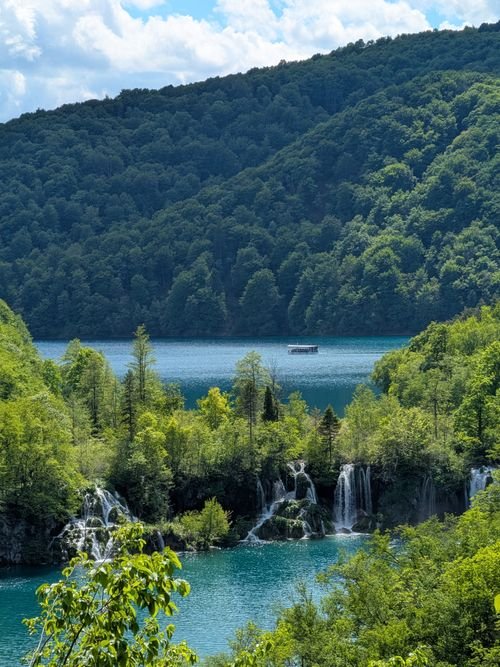
Located in central Croatia, between the capital Zagreb and the Adriatic coast, Plitvice Lakes National Park protects a remarkable landscape formed by natural geological and biological processes over thousands of years. The park contains a connected system of lakes and waterfalls surrounded by dense forests and mountainous terrain. The changing colors of the water, ranging from deep blue and green to turquoise and emerald, are among the most memorable features of the area.
Unlike an ordinary collection of lakes, Plitvice is a living landscape. Water continuously moves through the park, crossing natural barriers, creating waterfalls, depositing minerals, and shaping new formations. This ongoing process gives Plitvice Lakes its unique appearance and explains why the landscape continues to change over time.
This complete guide explores the history, geography, lakes, waterfalls, wildlife, forests, hiking trails, viewpoints, photography opportunities, seasons, travel planning, conservation, and many other aspects of Plitvice Lakes National Park.
Where Is Plitvice Lakes National Park?
Plitvice Lakes National Park is located in central Croatia in a mountainous region between Zagreb and the Adriatic coast. The park is positioned within the Dinaric Alps, a major mountain system stretching across parts of southeastern Europe.
Its location makes the park relatively accessible from several important Croatian destinations. Travelers commonly visit Plitvice Lakes as a day trip from Zagreb, Zadar, or other parts of the country. However, spending more than one day in the area allows visitors to experience the park at a slower and more enjoyable pace.
The surrounding region is characterized by forests, mountains, traditional villages, streams, caves, and limestone landscapes. The park itself is much larger than the famous lakes that appear in photographs. Its protected area includes extensive woodland and natural habitats in addition to the lake system.
Why Plitvice Lakes National Park Is Famous
Plitvice Lakes is famous primarily because of its interconnected lakes and dramatic waterfalls. Water flows from one lake to another through a series of natural limestone barriers. In some locations, the water moves gently across travertine formations, while in others it drops dramatically over cliffs and waterfalls.
The colors of the lakes are another major reason for the park’s popularity. Depending on sunlight, minerals, microorganisms, depth, vegetation, weather, and the surrounding landscape, the water can appear blue, green, turquoise, or emerald.
The park is also famous for its wooden footbridges. These narrow paths allow visitors to walk directly above clear streams and shallow sections of the lakes. Walking along the trails creates the feeling of being inside the landscape rather than simply observing it from a distance.
Plitvice Lakes is also important from a conservation perspective. The area has been protected as a national park for decades and is recognized internationally for its exceptional natural value.
History of Plitvice Lakes National Park
The landscape of Plitvice Lakes has been shaped by natural processes for thousands of years, but people have lived in and around the region for much longer. The area has experienced different cultural influences throughout history because of its location in central Croatia.
The lakes gradually became known as an important natural attraction during the nineteenth century. As interest in nature and tourism increased, visitors began traveling to the area to see its waterfalls, forests, and unusual water formations.
The development of tourism eventually encouraged authorities to protect the landscape. Plitvice Lakes was officially established as a national park in 1949, making it one of Croatia’s oldest protected areas.
Over the decades, the park developed visitor infrastructure while continuing to protect its natural environment. Paths, bridges, viewpoints, transportation systems, and visitor facilities were introduced to make the area accessible without allowing uncontrolled development throughout the landscape.
Plitvice Lakes was also recognized internationally when it was added to the UNESCO World Heritage List in 1979 because of its outstanding natural characteristics.
The park has faced challenges throughout its modern history, including the effects of war and environmental pressures. Conservation efforts have remained important in protecting its lakes, forests, wildlife, and unique travertine formations.
The Natural Formation of the Lakes
One of the most fascinating aspects of Plitvice Lakes is the way its lakes were created. The park is located in an area dominated by limestone and dolomite rock. Water moving through this geological environment interacts with minerals and living organisms, contributing to the formation of travertine barriers.
Travertine is a type of limestone that can form when calcium carbonate is deposited from water. At Plitvice, mosses and microorganisms play an important role in this process. As water flows over vegetation and mineral-rich surfaces, deposits accumulate gradually.
Over long periods, these deposits form barriers that divide the water into separate lakes. The barriers are not completely static. They continue to develop, erode, and change as water moves through the system.
This means Plitvice Lakes can be considered a dynamic natural system. The waterfalls, streams, lakes, and travertine barriers are all connected and influence one another.
The Upper and Lower Lakes
The lake system at Plitvice is commonly divided into Upper Lakes and Lower Lakes. Both sections have their own character and scenery.
The Upper Lakes
The Upper Lakes are generally surrounded by more extensive forests and feature numerous cascades and smaller waterfalls. The landscape here often feels quieter and more enclosed by nature.
Walking through the Upper Lakes allows visitors to see a variety of water formations. Some lakes are relatively broad and peaceful, while others are connected by narrow channels and small cascades.
The surrounding woodland provides shade and creates a beautiful contrast with the bright colors of the water.
The Lower Lakes
The Lower Lakes are located in a dramatic limestone canyon and contain some of the park’s most recognizable scenery. Steep cliffs rise around the water, creating a more dramatic landscape than many parts of the Upper Lakes.
The lower section is particularly popular with photographers because it combines clear turquoise water, cliffs, waterfalls, forests, and unusual rock formations.
The Famous Waterfalls of Plitvice
Waterfalls are one of the defining features of Plitvice Lakes National Park. The park contains numerous waterfalls and cascades of different sizes. Some are powerful drops, while others are gentle streams flowing over travertine barriers.
Veliki Slap
Veliki Slap, meaning “Big Waterfall,” is one of the most famous attractions in the park. It is located in the Lower Lakes area and is one of the most photographed natural features of Plitvice.
The waterfall drops dramatically against a rocky and forested landscape. Its impressive height and beautiful surroundings make it a major stopping point for visitors.
During periods of higher water flow, the waterfall can appear particularly powerful. In drier conditions, its appearance may change, demonstrating the natural relationship between rainfall, groundwater, streams, and waterfalls.
Veliki Prštavac
Veliki Prštavac is another attractive waterfall found within the Upper Lakes. Surrounded by greenery and flowing water, it demonstrates the softer and more forested character of this section of the park.
Visitors exploring the Upper Lakes encounter many smaller cascades and waterfalls that contribute to the overall beauty of the landscape.
The Beautiful Colors of Plitvice Lakes
The unusual colors of Plitvice Lakes are among the most frequently photographed features of the park. Visitors may see shades ranging from pale turquoise to deep blue and green.
There is no single reason for these colors. They are influenced by the mineral composition of the water, the amount of sunlight, the depth of the lakes, the presence of microorganisms, vegetation, suspended particles, and the geological environment.
Sunlight can dramatically change the appearance of the water. A lake that looks bright turquoise under direct sunlight may appear darker or greener under clouds or beneath surrounding trees.
This natural variation is one reason why photographs of Plitvice can look different throughout the day and across different seasons.
Forests of Plitvice Lakes
The lakes are surrounded by extensive forests that are an essential part of the national park ecosystem. Trees provide habitat for animals, protect soil, influence water conditions, and create a peaceful atmosphere for visitors.
Beech and fir forests are especially important in the region. Other tree species also occur depending on altitude, soil, moisture, and local environmental conditions.
During spring and summer, the forests become rich with green vegetation. Autumn creates a completely different landscape as leaves turn shades of yellow, orange, red, and brown. Winter can transform the park into a quiet world of snow and ice.
Wildlife in Plitvice Lakes National Park
Plitvice Lakes is not only a destination for beautiful scenery. It is also an important habitat for a variety of European wildlife.
The forests provide shelter for mammals, birds, reptiles, amphibians, and insects. Some animals are rarely seen because they avoid human activity, while others can occasionally be observed from trails.
Brown Bears
The wider region around Plitvice is part of the habitat of the European brown bear. Bears are an important part of the natural ecosystem, although visitors should never approach or attempt to feed wild animals.
Wolves
Wolves also occur in the broader Croatian mountain landscape. They are elusive animals and are rarely encountered by ordinary visitors.
Lynx
The Eurasian lynx is another remarkable species associated with Croatia’s forest ecosystems. Like wolves and bears, lynx generally avoid people and are difficult to observe in the wild.
Birds
Birdlife is another important part of the park. Forests, wetlands, cliffs, and lakes create habitats for different bird species. Visitors interested in birdwatching can enjoy listening for birds and observing movement among the trees.
Flora and Plant Life
Plitvice Lakes contains a diverse range of plant life because of its forests, wetlands, streams, limestone landscapes, and different elevations.
Mosses are particularly important because they participate in the formation and development of travertine barriers. These tiny plants have an enormous influence on the appearance and evolution of the lake system.
Wildflowers can be seen in suitable habitats during warmer months. Forest plants, ferns, grasses, shrubs, and other vegetation create layers of greenery throughout the park.
The diversity of plant life also supports insects, birds, and other animals, making vegetation an essential part of the park’s ecosystem.
Hiking at Plitvice Lakes National Park
Hiking is one of the best ways to experience Plitvice Lakes. The park has an extensive network of marked routes that allows visitors to explore different parts of the lake system.
Some routes are relatively short and suitable for visitors who have limited time. Longer routes allow travelers to explore a greater portion of the Upper and Lower Lakes.
The trails include wooden walkways, forest paths, bridges, steps, and natural terrain. Some sections can become slippery, especially after rain, so comfortable footwear is highly recommended.
Wooden Walkways
The wooden walkways are one of the most recognizable features of Plitvice Lakes. They allow visitors to move across water and wetlands without constructing large modern structures throughout the natural environment.
Walking along these paths provides close views of waterfalls, streams, aquatic plants, fish, and clear water. The experience can feel completely different from walking on an ordinary hiking trail.
Visitors should remain on designated paths. Leaving the official walkways can damage fragile vegetation and travertine formations and may also create safety risks.
Boat Rides at Plitvice Lakes
Boat transportation is another memorable part of visiting Plitvice Lakes. Electric boats operate on selected sections of the lake system and provide visitors with a relaxing way to experience the landscape from the water.
A boat ride offers a different perspective compared with walking. From the water, visitors can appreciate the size of the lakes, surrounding cliffs, forests, and reflections on the surface.
Because the boats are electrically powered, they are designed to reduce noise and disturbance within the protected environment.
Panoramic Train Experience
Visitors can also use the park’s panoramic transportation system on designated routes. These vehicles make it easier to move between certain areas of the park, particularly for people who prefer not to walk the entire distance.
Combining walking with boat and panoramic transportation can create a comfortable itinerary that allows visitors to cover more of the park without becoming overly tired.
Best Time to Visit Plitvice Lakes
Plitvice Lakes can be visited throughout much of the year, but each season provides a different experience.
Spring
Spring is an excellent season for visitors who enjoy fresh greenery, flowing water, and cooler temperatures. Snowmelt and seasonal rainfall can increase water flow in streams and waterfalls.
The forests gradually become greener, flowers begin appearing, and the landscape feels fresh and lively.
Summer
Summer is one of the most popular periods to visit Plitvice Lakes. Long daylight hours make it possible to explore for extended periods, and the surrounding forests provide attractive scenery.
However, summer can also bring larger crowds. Visitors who prefer a quieter experience should consider arriving early in the day.
Autumn
Autumn is one of the most visually impressive seasons in Plitvice. The surrounding forests can become covered in golden, orange, yellow, and red foliage.
Photographers often find autumn particularly attractive because colorful forests contrast beautifully with the blue-green lakes.
Winter
Winter gives Plitvice Lakes a completely different appearance. Snow can cover the forests, bridges, and surrounding mountains, while waterfalls may partially freeze during cold periods.
Winter visitors should check current park conditions because some trails or facilities may operate differently during colder weather.
Plitvice Lakes in Summer
Summer is the busiest season at Plitvice Lakes. The combination of warm weather, green forests, bright water, and long days attracts visitors from many countries.
If you plan to visit during summer, arriving early is a good strategy. Early morning can provide cooler temperatures, softer light for photography, and a more peaceful experience before visitor numbers increase.
Comfortable walking shoes, drinking water, sun protection, and lightweight clothing are useful during summer hikes.
Plitvice Lakes in Autumn
Autumn deserves special attention because the forest scenery can become spectacular. The colorful leaves surrounding the lakes create a natural frame around the waterfalls and waterways.
Cooler temperatures can also make hiking more comfortable than during the hottest summer days.
Autumn weather can change quickly, so visitors should prepare for rain and cooler conditions.
Plitvice Lakes in Winter
Winter is ideal for travelers who want to see a quieter and more dramatic side of the park. Snow-covered forests, icy waterfalls, and frozen sections of streams can create an almost magical landscape.
Because winter conditions can be challenging, visitors should follow all park instructions and use appropriate footwear. Some areas may be closed for safety reasons.
Plitvice Lakes in Spring
Spring brings renewed activity to the park. Water levels can be impressive, forests become greener, and wildlife becomes more active.
For nature lovers, spring provides a balance between beautiful scenery and relatively comfortable walking conditions.
Photography at Plitvice Lakes
Plitvice Lakes is one of the most photogenic landscapes in Croatia. Almost every part of the park offers opportunities for landscape photography.
Waterfalls, turquoise lakes, wooden bridges, forests, cliffs, reflections, and changing seasonal colors provide countless compositions.
Best Photography Tips
- Visit early in the day for softer light and fewer visitors.
- Use a wide-angle lens for large landscape scenes.
- Include wooden walkways to create depth in photographs.
- Use reflections on calm water as natural compositions.
- Photograph waterfalls from different viewpoints.
- Protect camera equipment from spray near waterfalls.
- Respect photography restrictions and park rules.
Family Visit to Plitvice Lakes
Plitvice Lakes can be a wonderful destination for families who enjoy nature. Children can see waterfalls, fish, forests, streams, and unusual geological formations in a real natural environment.
Families should choose walking routes according to the ages and abilities of children. Some paths include stairs, slopes, and uneven surfaces.
Parents should keep children close to them, especially near water and on elevated sections of the walkways. Swimming in the lakes is not permitted, and visitors should always follow park safety rules.
Plitvice Lakes for Nature Lovers
Nature lovers can spend an entire day exploring the ecological diversity of Plitvice. The park combines aquatic habitats, forests, cliffs, caves, streams, wetlands, and mountainous environments.
What makes the destination especially interesting is the connection between these habitats. Water moves through the entire landscape, linking lakes, waterfalls, streams, vegetation, and wildlife.
Plitvice Lakes for Hikers
Hiking enthusiasts can choose routes that match their fitness level and available time. Longer trails provide a more complete understanding of the park, while shorter routes are useful for visitors with limited time.
Hikers should prepare for changing weather and varying terrain. Even when temperatures are comfortable, rain can make wooden paths and rocks slippery.
Geology of Plitvice Lakes
The geology of Plitvice Lakes is fundamental to its existence. The park lies within a karst landscape, a type of terrain formed largely from soluble rocks such as limestone.
Karst environments often contain caves, underground streams, sinkholes, cliffs, and unusual drainage systems. At Plitvice, these geological characteristics influence how water travels through the landscape.
The interaction between water, rock, plants, and minerals creates the travertine barriers that separate the lakes.
Caves and Rock Formations
The park contains caves and interesting limestone formations, particularly around the Lower Lakes. These features demonstrate the influence of underground water on the surrounding landscape.
Caves form when water slowly dissolves limestone. Over long periods, this process can create underground chambers and passages.
Visitors should only enter caves or restricted areas when officially permitted. Protected natural formations can be fragile and easily damaged.
UNESCO World Heritage Recognition
Plitvice Lakes National Park was inscribed on the UNESCO World Heritage List in 1979. This international recognition reflects the exceptional natural value of the lake and waterfall system.
UNESCO recognition also highlights the importance of protecting the landscape for future generations. Tourism provides important economic benefits, but large visitor numbers must be managed carefully to prevent environmental damage.
Conservation at Plitvice Lakes
Conservation is essential because the park is a living ecosystem. Human activities can influence water quality, vegetation, wildlife, and fragile travertine formations.
Park authorities work to manage visitor movement, maintain trails, protect habitats, and monitor environmental conditions.
Visitors also have an important role. Simple actions such as staying on marked paths, carrying waste out of natural areas, avoiding feeding wildlife, and respecting restricted zones can help protect the park.
Responsible Tourism
Responsible tourism means enjoying Plitvice Lakes without harming the environment.
- Stay on designated trails and walkways.
- Never throw rubbish into lakes or streams.
- Do not feed wild animals.
- Do not remove rocks, plants, moss, or natural materials.
- Do not enter restricted areas.
- Follow instructions from park staff.
- Keep noise levels reasonable.
- Respect other visitors.
These simple rules help preserve the park’s beauty and ecological balance.
How Long Should You Spend at Plitvice Lakes?
The amount of time needed depends on how much of the park you want to explore. A short visit can provide an introduction to the lakes and waterfalls, but a longer visit allows travelers to explore the Upper and Lower Lakes more thoroughly.
Visitors with a full day can combine several walking sections with the park’s transportation options. Those who enjoy photography, hiking, birdwatching, or slow nature walks may prefer additional time.
One-Day Plitvice Lakes Itinerary
A one-day itinerary can begin early in the morning. Start with one of the main entrances and explore the nearby Lower Lakes before continuing toward the waterfalls and viewpoints.
After exploring the Lower Lakes, visitors can use available transportation to reach other sections and continue toward the Upper Lakes.
A boat ride can provide a relaxing break from walking. Continue exploring the trails afterward and allow enough time to return to the exit before the end of the day.
Two-Day Plitvice Lakes Itinerary
Spending two days in the area provides a more relaxed experience. The first day can focus on the Lower Lakes and major waterfalls, while the second day can be dedicated to the Upper Lakes and surrounding scenery.
A two-day trip also allows travelers to visit nearby villages and natural attractions instead of rushing through the national park.
What to Wear at Plitvice Lakes
Comfortable clothing is important because visiting Plitvice usually involves considerable walking.
- Comfortable walking or hiking shoes
- Lightweight clothing during warm weather
- A waterproof jacket for rainy conditions
- Warm layers during spring and autumn
- Winter clothing and suitable footwear during snowy conditions
- Sun protection during summer
Shoes with good grip are particularly useful because wooden paths and rocks can become slippery after rain.
What to Bring
- Reusable water bottle
- Camera or smartphone
- Power bank
- Rain jacket
- Small backpack
- Sun protection
- Snacks where permitted
- Personal medication if required
Nearby Attractions
The region around Plitvice Lakes contains other interesting natural and cultural attractions. Visitors who have additional time can explore nearby villages, forests, caves, rivers, and traditional landscapes.
The national park is also relatively well positioned for travelers moving between Zagreb and Croatia’s Adriatic destinations.
Traveling to Plitvice Lakes from Zagreb
Zagreb is one of the most common starting points for travelers visiting Plitvice Lakes. The journey can be made by road using buses, organized tours, rental cars, or private transportation.
Visitors planning an independent trip should check current transport schedules before departure because services can change depending on the season.
Traveling to Plitvice Lakes from Zadar
Zadar is another popular base for visiting the park. Because of its location on Croatia’s Adriatic coast, travelers often combine a visit to Plitvice with a coastal holiday.
The route from Zadar to Plitvice offers an opportunity to experience the contrast between Croatia’s coastal landscapes and its inland mountains and forests.
Traveling to Plitvice Lakes by Car
Driving can be a convenient option for travelers who want flexibility. A car allows visitors to combine Plitvice with other destinations in central Croatia.
Drivers should use official parking facilities and follow local road and parking regulations. During busy periods, parking areas can become crowded, so arriving early is useful.
Accommodation Near Plitvice Lakes
There are various accommodation options in communities around the national park, including hotels, guesthouses, apartments, and private rooms.
Staying nearby can be especially convenient for visitors who want to enter the park early in the morning. It also allows travelers to enjoy the surrounding countryside rather than treating the destination as a rushed day trip.
Food Near Plitvice Lakes
Visitors can find restaurants and local food options in communities around the park. Croatian cuisine includes grilled meats, soups, fresh vegetables, breads, cheeses, and regional specialties.
Travelers spending a full day hiking should plan meals and snacks carefully. It is also important to follow park rules regarding where food can be consumed.
Safety at Plitvice Lakes
Plitvice Lakes is generally a popular and well-managed tourist destination, but visitors should still take normal outdoor safety precautions.
Stay on marked paths, especially around cliffs, waterfalls, and deep water. Do not climb barriers or attempt to reach restricted viewpoints.
Weather can change quickly in mountainous regions. Rain can make surfaces slippery, while summer sunlight can cause dehydration. Planning according to weather conditions makes the visit safer and more enjoyable.
Is Swimming Allowed in Plitvice Lakes?
Visitors should not treat the lakes as swimming areas. Swimming and entering the water are prohibited in the protected lake system.
The lakes are protected because their ecological and geological processes are extremely sensitive. Keeping people out of the water helps protect vegetation, microorganisms, travertine formations, and water quality.
Can You Visit Plitvice Lakes with Children?
Yes, families can enjoy the park, but parents should choose routes carefully. Wooden walkways, stairs, slopes, and water areas require attention.
Children may especially enjoy the waterfalls, clear water, boats, forests, and wildlife. Teaching children to respect the environment can turn the trip into an educational nature experience.
Plitvice Lakes for Couples
Plitvice Lakes can be an excellent destination for couples. Walking beside turquoise lakes, crossing wooden bridges, photographing waterfalls, and enjoying peaceful forest scenery can create a memorable travel experience.
Autumn and spring can be particularly attractive for couples who prefer quieter surroundings and cooler temperatures.
Plitvice Lakes for Photographers
Photographers have almost unlimited opportunities at Plitvice. Waterfalls, cliffs, forests, lakes, bridges, reflections, and seasonal colors offer many subjects.
Morning and late afternoon can provide attractive natural lighting. Overcast days can also be excellent because soft light reduces harsh reflections on water.
Interesting Facts About Plitvice Lakes
- Plitvice Lakes is one of Croatia’s most famous natural attractions.
- The national park was established in 1949.
- The park was added to the UNESCO World Heritage List in 1979.
- The lake system contains numerous interconnected lakes.
- Travertine barriers play a major role in creating the lakes and waterfalls.
- The park contains extensive forests in addition to lakes.
- The water can appear blue, green, turquoise, or emerald.
- Veliki Slap is one of the park’s most famous waterfalls.
- Wooden walkways allow visitors to explore the lake system closely.
- The wider region provides habitat for species such as bears, wolves, and lynx.
- The park changes dramatically between summer, autumn, winter, and spring.
- Swimming in the lakes is prohibited.
Why Plitvice Lakes Is Important for Croatia
Plitvice Lakes is more than a tourist destination. It is an important symbol of Croatia’s natural heritage. The park demonstrates the country’s extraordinary geological and biological diversity and attracts visitors who contribute to the regional tourism economy.
Its international reputation also encourages environmental awareness. People who visit the park often leave with a stronger appreciation for forests, freshwater ecosystems, wildlife, and natural conservation.
The Environmental Importance of Freshwater
The lake system at Plitvice demonstrates how freshwater environments depend on complex relationships between geology, plants, microorganisms, climate, and water movement.
Protecting such environments is important because freshwater ecosystems support biodiversity and provide valuable information about natural processes.
The continuing formation of travertine at Plitvice makes the park particularly valuable for understanding how landscapes can develop through interactions between living organisms and geological processes.
Tips for a Better Plitvice Lakes Experience
- Arrive early, particularly during busy seasons.
- Wear comfortable shoes with good grip.
- Check the weather before starting your hike.
- Carry drinking water.
- Allow enough time to explore without rushing.
- Use official trails and walkways.
- Keep your camera ready for unexpected views.
- Respect wildlife and never feed animals.
- Do not swim in the lakes.
- Follow current park regulations.
Frequently Asked Questions About Plitvice Lakes National Park
What is Plitvice Lakes National Park famous for?
Plitvice Lakes is famous for its interconnected turquoise and green lakes, spectacular waterfalls, travertine barriers, forests, wooden walkways, and extraordinary natural scenery.
Where is Plitvice Lakes National Park?
Plitvice Lakes National Park is located in central Croatia in the Dinaric mountain region, between Zagreb and the Adriatic coast.
When was Plitvice Lakes National Park established?
Plitvice Lakes was officially established as a national park in 1949.
Is Plitvice Lakes a UNESCO World Heritage Site?
Yes. Plitvice Lakes National Park was added to the UNESCO World Heritage List in 1979 because of its outstanding natural characteristics.
How many lakes are at Plitvice?
The park is known for a system of sixteen named lakes that are connected through waterfalls, cascades, streams, and travertine barriers.
Can you swim in Plitvice Lakes?
No. Swimming in the lakes is prohibited in order to protect the fragile ecosystem and natural formations.
Is Plitvice Lakes worth visiting?
Yes. Plitvice Lakes is especially worthwhile for travelers who enjoy waterfalls, forests, hiking, photography, wildlife, and unique natural landscapes.
How much time do you need at Plitvice Lakes?
A few hours can provide a quick introduction, while a full day allows visitors to explore a much larger portion of the park. Travelers who prefer a relaxed experience may want to spend two days in the area.
What is the best season to visit Plitvice Lakes?
Every season has its own appeal. Summer offers green scenery and long days, autumn brings colorful forests, spring provides fresh vegetation and flowing water, and winter can create beautiful snowy and icy landscapes.
Is Plitvice Lakes suitable for families?
Yes. Families can enjoy the waterfalls, lakes, forests, and walking trails, although adults should supervise children carefully around water, cliffs, bridges, and uneven paths.
Can you take photographs at Plitvice Lakes?
Yes. Photography is one of the most popular activities at the park. Visitors can photograph lakes, waterfalls, forests, bridges, cliffs, and seasonal landscapes while following park rules.
Are there animals at Plitvice Lakes?
Yes. The park and surrounding region provide habitat for many animals, including numerous bird species and mammals. Larger species such as brown bears, wolves, and lynx are associated with the wider forest ecosystem but are rarely seen by visitors.
What should I wear at Plitvice Lakes?
Comfortable walking shoes are essential. Clothing should be appropriate for the season, and a waterproof jacket is useful when rain is possible.
Final Thoughts on Plitvice Lakes National Park
Plitvice Lakes National Park is one of Europe’s most extraordinary natural landscapes. Its combination of crystal-clear lakes, turquoise water, dramatic waterfalls, limestone cliffs, dense forests, wooden walkways, and rich wildlife creates an experience unlike an ordinary sightseeing destination.
The greatest attraction of Plitvice is not simply one waterfall or one lake. It is the relationship between the entire landscape. Water flows through the forests, crosses travertine barriers, forms waterfalls, fills lakes, and continues through the valleys. Plants and microorganisms participate in the formation of the barriers, while forests and wetlands provide habitats for wildlife.
Whether you visit during the green summer months, colorful autumn, fresh spring season, or snowy winter, the park offers a different version of its natural beauty. Hikers can explore its trails, photographers can capture its changing colors, families can discover its wildlife and waterfalls, and nature lovers can experience a protected ecosystem at close range.
For anyone planning a trip through Croatia, Plitvice Lakes National Park deserves a place near the top of the itinerary. It is a destination where geology, water, forests, wildlife, and human appreciation for nature come together to create one of the most memorable landscapes in Europe.
Most importantly, visitors should remember that Plitvice Lakes is a protected natural environment rather than simply a tourist attraction. Respecting trails, water, wildlife, vegetation, and park regulations helps ensure that this extraordinary landscape remains beautiful for future generations.